Specialized Rehabilitation & Pain Care in Gangnam, Seoul · Dedicated International Concierge

Medical Guide
PRP Injection Process: Step-by-Step Guide for Patients
What to expect during PRP therapy, step by step: consultation, preparation, blood draw, processing, the injection, pain control, aftercare and follow-up.
Schedule a ConsultationWhat Happens During a PRP Injection: A Step-by-Step Guide for International Patients
Medically reviewed by Dr. Kim DaeHwan, Director, Well Rehabilitation Clinic; Specialist in Rehabilitation Medicine
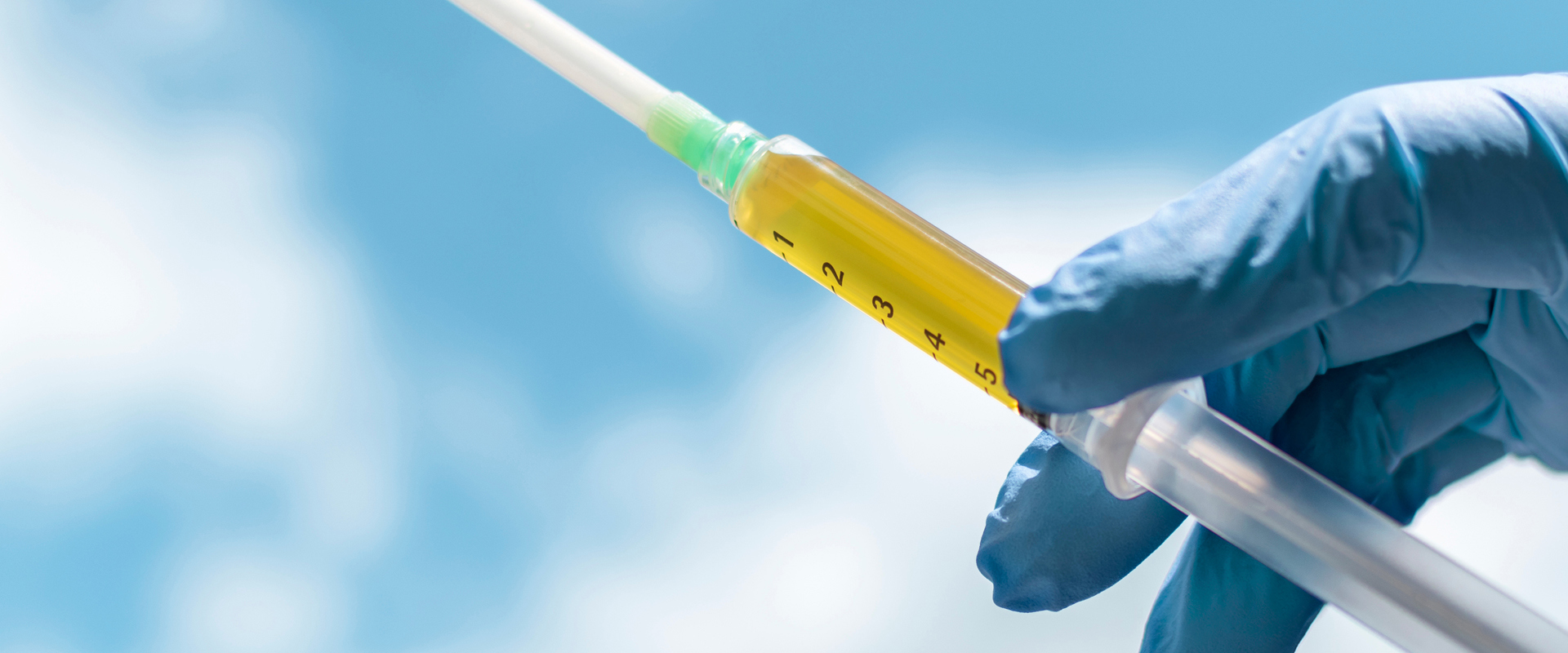
A platelet-rich plasma treatment is a short outpatient sequence rather than an operation: blood is drawn from your arm, spun in a centrifuge to concentrate the platelets, and then injected into the area being treated. Knowing the PRP injection process in advance removes most of the uncertainty, particularly if you are flying to Seoul and need to know how much of your day and your trip it will occupy. This guide follows the sequence in the order you would live through it, from the first consultation to the reassessment that judges whether the treatment helped.
Step one: the consultation that sets the plan
Nothing is prepared or injected before an assessment has taken place. That first conversation at Well Rehabilitation Clinic works through what you feel and where, your medical background, the region involved, whatever you have already tried, and what you want treatment to achieve; the clinician then decides whether PRP therapy is appropriate. A regenerative injection consultation in Korea can begin before you arrive, since an online consultation can be arranged through the clinic's contact page.
Consent belongs to this stage too. In its 2023 review of joint and soft tissue injections, the American Academy of Family Physicians describes patient preparation as a detailed overview of the procedure, informed consent, and correct positioning, and it lists absolute contraindications including infection at the injection site, fracture, and a history of serious allergy to the injected substance or to local anesthetics.
The clinician's background is part of what you are evaluating. Dr. Kim DaeHwan directs Well Rehabilitation Clinic and is a specialist in Rehabilitation Medicine. He completed clinical training at Hallym University Kangdong Sacred Heart Hospital and residency training in Rehabilitation Medicine at Bundang Jesaeng Hospital. He previously held an adjunct outpatient professor role at Kyung Hee University College of Medicine, and he holds a Miracell "Stem Cell Specialized" certificate dated March 2026. Details about the clinic itself appear on its About Us page.
Step two: what to tell your clinician beforehand
Preparation for PRP is mostly information rather than fasting or fussy restrictions. Well Rehabilitation Clinic asks patients to provide their medical history, current medications, symptoms, previous treatments, and details of the treatment area, and to disclose every current medication and supplement, because some may need to be paused ahead of a PRP session. Specific pre-treatment instructions are given at the time of consultation. Bringing imaging of the affected joint or tendon, such as an X-ray or MRI report, gives that conversation something concrete to work from.
Why the medication list matters so much
Platelets do the work in PRP, so anything that changes how platelets behave is relevant. A 2024 review in Cureus examined 25 studies on PRP use in patients taking non-steroidal anti-inflammatory drugs, the class that includes ibuprofen and naproxen. It explains that platelets release their active components through a process called degranulation, which certain drugs in this class inhibit. The review reported that naproxen inhibited platelet aggregation for at least 24 hours and possibly as long as 48, that ibuprofen and diclofenac did so for roughly 6 to 12 hours depending on dose, and that acetaminophen, a mild inhibitor of COX-1, did not call for deferral. Its authors describe formal deferral guidance as still being developed, so this decision belongs to the clinician who knows your case.
Step three: the blood draw
The sequence starts with an ordinary venous blood draw. MedlinePlus, the patient education service of the U.S. National Library of Medicine, describes venipuncture as blood collection from a vein, most often from the inside of the elbow or the back of the hand. Its account of the steps is straightforward: the site is cleaned with an antiseptic, an elastic band is placed around the upper arm so the vein below fills, a needle is inserted, and blood collects into an airtight tube. The band is then released, the needle withdrawn, and the site covered.
On sensation, the same source is reassuring. It says you may feel slight pain or a sting as the needle is inserted, and that you may also notice some throbbing at the site once the blood has been drawn. MedlinePlus adds that what you need to do beforehand depends on which blood test is being run, and that many tests call for no special preparation at all. It also advises that you never stop or change a medicine without speaking to your provider first.
Step four: how the sample is separated and prepared
Between the draw and the injection, your blood is processed on site. Separation is done by centrifuge, the machine that spins a sample so its components settle into layers by density, and Well Rehabilitation Clinic uses a listed PRP processing system for that step. What comes out is the platelet-rich fraction rather than whole blood.
This step is where protocols differ most between providers, and that is a documented issue rather than a marketing one. A scoping review published in Frontiers in Cell and Developmental Biology assessed 39 comparative studies of technical procedures for preparing and administering PRP and related products. Those studies compared anticoagulant types, centrifugation protocols, commercial kits, processing time, and methods of activation, measuring laboratory outcomes such as platelet, leukocyte, and growth factor concentrations. The review concluded that universal standardization of preparation procedures is still lacking, which means the same volume of blood can yield preparations that differ.
Sterile handling governs this stage of the appointment. The U.S. Centers for Disease Control and Prevention advises clinicians to use aseptic technique when preparing and administering injections, to use a new sterile syringe and needle for every patient, and to reserve single-use items for a single patient. The same guidance states that single-dose vials are preferred over multiple-dose vials wherever that is possible. It also directs that leftover contents of a single-dose vial never be given to a second patient or pooled for later use.
Step five: the injection, and what it feels like
The injection itself is the shortest part of the appointment. The treatment area and the approach are selected according to the clinical assessment at Well Rehabilitation Clinic, so the target has already been decided by the time you are positioned for it.
Accuracy is a technical concern patients rarely think to ask about. The American Academy of Family Physicians reports that imaging guidance, such as ultrasonography, may increase the accuracy of needle placement, and that it is recommended for specific anatomic locations. The same review notes that most injections given in a primary care office are positioned by palpation, meaning the clinician feels for anatomic landmarks by hand. On skin preparation, it adds that washing hands, wearing nonsterile gloves, and cleansing the skin with alcohol is a safe and inexpensive approach, with safety outcomes comparable to full sterile technique.
As for sensation, discomfort from the injection can be managed with local comfort measures. The pain-control approach depends on the treatment area and the injection protocol, and the options relevant to your case are discussed during your consultation.
Step six: the first hours after you leave
Expect the treated area to feel sore before it feels better. The American Academy of Family Physicians reports that immediate reactions to a joint or soft tissue injection may include pain, swelling, redness, stiffness, or soreness at the site itself. It states that reactions of this kind can last anywhere from a few hours to several days. The same review adds that a clean technique reduces the risk of infection, and that patients should be counled in advance about possible complications and about the signs and symptoms of infection. That range of a few hours to several days is worth planning around if you have arranged sightseeing for the same afternoon.
Recovery after PRP therapy at Well Rehabilitation Clinic varies with the treatment area, the condition, and your individual response, and patients are asked to follow clinician guidance on activity. Most patients do not require a prolonged recovery period before flying, though travel timing is a question for the clinician who treated you.
Step seven: the following days and aftercare
Aftercare is deliberately simple, which makes it easy to follow and easy to neglect. At Well Rehabilitation Clinic it generally consists of following the activity guidance you are given and attending the follow-up evaluations recommended for you. Activities likely to stress the treated area are best postponed until your clinician clears them.
Improvement after PRP therapy is generally gradual, and its timing varies with your condition and your response. Longer-term results depend on your condition, your response, your lifestyle, and your follow-up care, and your clinician sets out what is realistic for your case. Judging the treatment by how you feel the next morning is the most common mistake patients make.
How many visits a course involves, and how progress is judged
The number of sessions is set individually rather than sold as a package. The duration and frequency of PRP treatments at Well Rehabilitation Clinic depend on the patient's condition and goals, and a specific schedule is recommended after the initial consultation. Follow-up visits are then used to assess how you have responded and to guide further care, with the number determined by your condition and clinical progress.
Because regenerative improvement is typically gradual, progress is judged through follow-up evaluation over time rather than on the day of treatment. If you will be seeing a clinician at home afterward, ask for a copy of your treatment notes before you leave.
Extra sequencing for a trip to Seoul
Traveling for a course of injections adds a calendar problem a local appointment does not have. Well Rehabilitation Clinic keeps weekday hours, from 9:00 AM to 7:00 PM Korea Standard Time with a lunch break from 1:30 PM to 2:30 PM, and closes on weekends and public holidays. That schedule shapes how many appointments fit into a trip, and the clinic can be reached by phone on +82-2-6203-1630.
As general planning guidance, patients traveling from the United States should plan around the following:
- Getting to Seoul, and the entry conditions that apply to travelers on a US passport
- Lodging plus day-to-day transport inside Gangnam
- Room in the itinerary for assessment, the PRP appointments advised for you, and a follow-up review
- Spacing between injections that a weekday timetable can actually accommodate
Many patients allow roughly 7 to 14 days for a course of PRP treatment, depending on the condition and the recommended schedule, and the total length of stay is set individually after clinical evaluation.
The U.S. Centers for Disease Control and Prevention publishes practical advice for people traveling abroad for medical care that applies neatly here. It advises obtaining copies of your medical records from the treating facility before you return home, arranging in advance where you will stay immediately after the procedure, and coordinating any follow-up care you may need at home before you travel rather than after. It also recommends packing medicines in their original packaging with copies of your prescriptions.
The flight home deserves its own line. The same agency notes that anyone traveling more than four hours by air, car, bus, or train can be at risk of blood clots forming in the deep veins of the legs. Its suggestions are simple: move your legs often and walk around every one to two hours. For seated exercise it advises extending your legs straight out and flexing your ankles by pulling your toes toward you. It adds that some airlines suggest pulling each knee up toward the chest and holding it there briefly.
The Bottom Line
- One appointment usually carries the whole sequence: assessment and consent, a blood draw from your arm, centrifuge processing, then the injection into the treated area.
- MedlinePlus describes a routine venous draw as feeling like slight pain or a sting when the needle is inserted, with some throbbing possible at the site once the blood has been collected.
- The American Academy of Family Physicians reports that immediate reactions at an injected joint or soft tissue site can include pain, swelling, redness, stiffness, or soreness, and that they may last from a few hours to several days.
- Disclose every medication and supplement before your appointment, since some may need to be paused, and bring imaging of the affected joint or tendon if you have it.
- Build the trip around weekday clinic hours, leaving room for consultation, the recommended sessions, and reassessment before you fly home.
Frequently Asked Questions
How long does a PRP appointment take from blood draw to injection?
The appointment runs as one continuous sequence. MedlinePlus, the patient education service of the U.S. National Library of Medicine, describes the draw as a needle placed in a vein at the inside of the elbow or the back of the hand. The blood then collects into an airtight tube attached to that needle. The sample is then processed in a centrifuge before the injection, which is why the sequence generally happens within a single visit. Total appointment length at Well Rehabilitation Clinic depends on the treatment area and the protocol chosen for your case.
Will the injection feel worse than the blood test?
A PRP session involves a needle in the arm and a needle at the treated site, so there are two sensations rather than one. Discomfort from the injection can be managed with local comfort measures, and the options relevant to your treatment area are discussed at your consultation. The American Academy of Family Physicians reports that pain, swelling, stiffness, or soreness at an injected site may last from a few hours to several days.
What happens to my blood between the draw and the injection?
It is spun in a centrifuge so the platelet-rich fraction can be separated from the rest of the sample, and Well Rehabilitation Clinic uses a listed PRP processing system for that step. A scoping review in Frontiers in Cell and Developmental Biology reports that protocols differ in anticoagulant, centrifugation settings, commercial kit, processing time, and activation method, and that universal standardization is still lacking. Asking which preparation will be used for your treatment is a reasonable question.
Should I pause my anti-inflammatory medication before a PRP injection?
That decision belongs to your clinician, and it starts with a complete list of your medications and supplements, some of which may need to be paused before PRP. A 2024 review in Cureus reported that naproxen inhibited platelet aggregation for at least 24 hours, that ibuprofen and diclofenac did so for about 6 to 12 hours depending on dose, and that acetaminophen did not call for deferral.
What should I avoid in the days after treatment?
Follow the activity guidance your clinician gives you and attend the follow-up evaluations recommended for you. Hold off on anything that loads or strains the treated area until your clinician says it is fine to resume. Improvement after PRP therapy is generally gradual, so the days immediately afterward are for protecting the area rather than testing it.
What should I bring with me on the day of the procedure?
Bring imaging of the affected joint or tendon if you have it, such as an X-ray or MRI, a list of your current medications and supplements, and details of previous treatments for the same problem. The American Academy of Family Physicians describes preparation for a joint or soft tissue injection as including a full explanation of the procedure, informed consent, and correct positioning, so allow time for that conversation before anything begins.
This article is for general informational purposes and does not constitute individualized medical advice. It is not a self-diagnosis tool. Treatment candidacy, technique, and expected outcomes can only be determined through a consultation with a qualified physician. Care at Well Rehabilitation Clinic is delivered in the Republic of Korea under Korean medical regulation. Individual results vary and no specific outcome is guaranteed.
More Articles
Continue reading educational guides from Well Rehabilitation Clinic.
Chronic Tendon Pain Explained: When ESWT May Help
What chronic tendon pain is, why tendons are slow to settle, what conservative care comes first, and where extracorporeal shock wave therapy fits in the plan.
Learn More
Is Manual Therapy Painful? What a Session Feels Like
Is manual therapy painful? What hands-on treatment usually feels like, how the intensity is set, and what to tell your clinician before and during a session.
Learn More
When Musculoskeletal Pain Needs a Specialist Assessment
The patient-side thresholds that move a musculoskeletal problem from self-care to a rehabilitation medicine assessment, and how to judge if yours apply.
Learn More