Specialized Rehabilitation & Pain Care in Gangnam, Seoul · Dedicated International Concierge


Medical Guide
Manual Therapy Korea: Spine and Joint Guide for US Patients
Manual therapy in Korea, explained for US patients: who it suits, how assessment and sessions work, how to prepare, and what to plan before you travel.
Schedule a ConsultationManual Therapy for Spine and Joints in Korea: What US Patients Should Know Before Traveling to Seoul
Medically reviewed by Dr. Kim DaeHwan, Director, Well Rehabilitation Clinic; Specialist in Rehabilitation Medicine
If you are researching manual therapy in Korea for a stubborn neck, back, or joint problem, your question is probably practical rather than technical: what will the trip actually involve? Manual therapy for spine and joints is a non-surgical rehabilitation treatment delivered through clinician-guided hands-on techniques, and at Well Rehabilitation Clinic in Seoul it forms part of an individualized plan shaped by your symptoms, physical condition, movement limitations, and recovery goals. This guide follows the sequence you would live through: assessment, session, preparation, aftercare, and the logistics of flying in from the United States.
What hands-on spine and joint therapy involves in practice
Manual therapy is treatment applied through a clinician's hands to painful or restricted joints and soft tissue, rather than through a machine or an injection. At Well Rehabilitation Clinic, treatment typically begins with assessment of the painful or restricted area, after which hands-on techniques are selected according to your condition and rehabilitation goals. What drives the plan is the examination itself, together with hands-on and movement-based work, rather than any single device in the treatment room.
The vocabulary here confuses people, so two distinctions are worth knowing. The National Center for Complementary and Integrative Health, part of the U.S. National Institutes of Health, explains that spinal manipulation applies a controlled thrust to a spinal joint, moving it further than it would move on its own. The same agency notes that spinal mobilization involves no thrust and stays inside a joint's natural range of motion.
The goals are modest and functional: benefits may include reduced pain and stiffness, improved joint mobility, decreased muscle tension, and greater comfort during everyday movement. Whether those apply to you depends on what is driving your symptoms.
Who tends to be a good candidate, and who needs evaluation first
Good candidates are people whose spine or joint complaints are mechanical in nature: pain, stiffness, reduced range of motion, or movement-related limitations. Patients from the United States commonly ask about this treatment when neck, back, or joint discomfort interferes with movement, work, exercise, or daily activities. Manual therapy may not be appropriate when symptoms point toward an acute or serious medical condition that needs further diagnostic evaluation or a different treatment, and contraindications are identified during the initial consultation.
Timing matters too. The National Institute of Arthritis and Musculoskeletal and Skin Diseases reports that sudden-onset back pain typically eases within a few weeks of self-care at home, and that persistent or worsening pain, numbness, leg weakness, or fever should prompt a medical review instead. In a clinical practice guideline published in Annals of Internal Medicine, the American College of Physicians recommends starting with non-drug treatment for acute and subacute low back pain, and it groups the condition by duration: acute under four weeks, subacute four to twelve weeks, chronic beyond twelve weeks. The National Center for Complementary and Integrative Health adds that pre-existing health problems can raise the risk of manipulation or mobilization, so tell the practitioner about your conditions and medications.
Inside the consultation: assessment before any hands-on work
The consultation decides whether hands-on treatment is the right tool for you, so it happens before treatment does. At Well Rehabilitation Clinic it generally covers your symptoms, medical history, functional limitations, previous treatment, and any relevant imaging or surgical records. The clinic's stated approach places accurate evaluation and individualized planning ahead of a fixed sequence of techniques.
The clinician's background is part of what you are assessing when you choose where to go. Well Rehabilitation Clinic is directed by Dr. Kim DaeHwan. His specialist qualification in South Korea is in Rehabilitation Medicine. His medical degree comes from Hallym University College of Medicine. Bundang Jesaeng Hospital is where he trained as a resident in the specialty. The Korean Academy of Rehabilitation Medicine counts him as a full member. He also holds Titleist Performance Institute Certified Professional status, a credential built around movement assessment.
What a session is like, and how long it runs
A manual therapy appointment at Well Rehabilitation Clinic is scheduled in either a 30-minute or a 50-minute block, which is one of the more useful details to know before you build an itinerary. The treatment is generally performed without anesthesia, because it is non-invasive. You may feel pressure, stretching, or temporary discomfort during certain techniques, and the intensity is adjusted according to your tolerance and clinical needs as the program progresses.
Short-lived after-effects are common enough to expect. Drawing on evidence from around 250 publications, the National Center for Complementary and Integrative Health reports that transient mild-to-moderate effects such as increased pain, stiffness, or headache often follow manipulation or mobilization, and that most resolve within 24 hours. The same agency states that serious events are very rare.
Hands-on work is not always the whole plan. Where a clinician judges it appropriate, it can sit alongside other rehabilitation or musculoskeletal care; extracorporeal shock wave therapy and platelet-rich plasma therapy are both offered at Well Rehabilitation Clinic, and any pairing is decided individually after assessment.
How to prepare before your first appointment
Preparation is mostly paperwork and clothing, and both are easy to get wrong from the other side of the Pacific. Bring the following to your first visit:
- An accurate medical history, written out rather than recalled from memory
- A list of your current medications
- Details of previous treatments you have tried for this problem
- Any relevant imaging, such as X-rays, MRI, or CT scans, plus surgical records if you have had an operation
- Comfortable clothing that allows access to the area being treated
Two things are worth avoiding on the day. Skip strenuous physical activity that aggravates your symptoms before the session, and do not apply creams or oils to the treatment area. If your health, medications, or symptoms change between booking and arriving, tell the clinic ahead of the appointment.
Gathering records takes longer than most people expect, so start weeks before departure. The U.S. Department of Health and Human Services explains that the HIPAA Privacy Rule gives you the right, with few exceptions, to inspect, review, and receive a copy of the records held by providers and health plans covered by the rule, and to request an amendment if something in the record looks wrong.
Aftercare and what recovery usually looks like
Recovery after manual therapy usually does not involve downtime, and most patients continue daily activities as tolerated. Mild soreness or temporary fatigue can follow a session and generally settles within a day or two. Returning to exercise or heavier activity should follow your clinician's guidance and your own condition rather than a calendar.
Aftercare at the clinic may include activity guidance, home exercises, stretching, or posture advice. You are asked to monitor how your symptoms respond and to return for reassessment when it is recommended or when your condition changes.
Results follow their own pace. Improvement may appear gradually or after the first few sessions, and progress is judged through changes in pain, mobility, range of motion, function, and daily activities. How long the benefit lasts varies with your diagnosis, symptom duration, activity level, treatment frequency, and how closely you follow the plan. Durability is a research question as well: the Agency for Healthcare Research and Quality published a systematic review update of 233 randomized controlled trials of non-invasive, non-drug treatments for five common chronic pain conditions, which asked whether improvements persisted for at least a month after treatment ended.
Extra planning for a trip from the United States to Seoul
Traveling for care adds a planning layer a local appointment does not have, and most of it is calendar work. Well Rehabilitation Clinic sits on the fifth floor of KB Woojun Tower at 447 Teheran-ro, Gangnam-gu, Seoul, and has concentrated on musculoskeletal pain treatment and postoperative rehabilitation since it opened in 2019. It is open on weekdays from 9:00 AM to 7:00 PM Korea Standard Time, with a lunch break from 1:30 PM to 2:30 PM, and it closes on weekends and public holidays. That schedule shapes how many sessions fit into a given number of days.
As general planning guidance for patients coming from the United States, build the trip around these items:
- A flight into Seoul, plus whatever entry rules currently apply to a US passport holder
- Somewhere to stay in Gangnam, and a worked-out way of getting around the district each day
- Sufficient time on the ground for your consultation, the sessions advised for you, and a closing reassessment
- Slack in the calendar, given that this practice keeps a Monday-to-Friday schedule
Many patients plan a stay of roughly 7 to 14 days for a manual therapy program, depending on the condition and the recommended session schedule. Your own length of stay is set individually after clinical evaluation.
Medication rules deserve their own line on the checklist. The U.S. Department of State advises travelers to ask their doctor for a letter explaining their medical condition and listing prescription medicines by generic name, to keep that letter with the medicines in their original packaging, and to check with the foreign embassy of each country on the itinerary that those medicines are allowed through customs. For anyone traveling specifically for treatment, the same department advises checking the treating doctor's training, qualifications, and reputation first.
Booking is the last piece. An online consultation can be arranged through the clinic's contact page, which is also the place to ask about the arrangements that would apply to your own case before you commit to dates. The clinic's background is set out on its About Us page. Korea's Ministry of Health and Welfare has certified the practice as a Registered Medical Institution for Attracting Foreign Patients, a designation granted under the Medical Overseas Expansion and Foreign Patients Attraction Act.
Follow-up after you return home
Follow-up is part of the treatment plan, and the number of visits depends on your condition, your response to treatment, and your clinical progress. After you get home, keep watching how your symptoms behave and contact the clinic if discomfort increases. As general planning guidance, patients traveling from the United States tend to want a detailed written summary of what was done. Requesting that summary before you leave Seoul makes any later conversation with a clinician at home much easier.
Questions worth asking before you commit
Consultation time is limited, so bring your questions written down. In its guidance on what to consider before selecting a chiropractor, the National Center for Complementary and Integrative Health suggests asking about that practitioner's education and licensure, and about how many sessions you will need. Patients traveling from the United States frequently add these:
- Why is manual therapy the recommended approach for my diagnosis?
- What benefits and limitations are realistic in my case?
- What are the potential side effects, and what are the alternatives?
- Which follow-up options exist after I return home?
The Bottom Line
- Manual therapy for spine and joints is a non-surgical, hands-on treatment, and at Well Rehabilitation Clinic it is planned around your assessment findings.
- Sessions run in 30-minute or 50-minute blocks, are generally performed without anesthesia, and typically involve no downtime, though mild soreness for a day or two is common.
- Candidacy is decided at the consultation, which reviews your symptoms, history, functional limits, past treatment, and imaging or surgical records.
- Traveling from the United States means extra lead time: request records early, carry a doctor's letter and your medications correctly, and map sessions against weekday clinic hours.
Frequently Asked Questions
How many days in Korea should I plan for a manual therapy program?
Many patients plan a stay of about 7 to 14 days for manual therapy at Well Rehabilitation Clinic, depending on their condition and the session schedule recommended for them. That window allows time for the consultation, the treatment sessions, and a follow-up assessment before departure. Your own length of stay is confirmed individually after clinical evaluation.
What should I physically bring to my first appointment in Seoul?
Bring an accurate medical history, a list of your current medications, details of previous treatments, and any relevant imaging such as X-rays, MRI, or CT scans, plus surgical records if they apply. Wear comfortable clothing that allows access to the area being treated. The clinic confirms which specific documents it needs for your case.
Will a manual therapy session hurt?
Manual therapy should not be painful. You may feel gentle pressure, stretching, or mild temporary discomfort as stiff joints and tight muscles are worked on, and the intensity of each technique is adjusted to stay within your comfort level. No numbing or sedation is required.
Can I fly home right after my final session?\n\nManual therapy does not involve a surgical recovery period, and many patients are able to fly home once their treatment program is complete and they feel well. Even so, confirm the timing with your clinician before booking return travel, since it depends on your condition and your response.\n\n#### When is the clinic open, and where exactly is it?\n\nWell Rehabilitation Clinic is open on weekdays from 9:00 AM to 7:00 PM Korea Standard Time, with a lunch break from 1:30 PM to 2:30 PM, and it closes on weekends and public holidays. It sits on the fifth floor of KB Woojun Tower at 447 Teheran-ro in the Gangnam district of Seoul.\n\n#### Can I start with an online consultation before I travel?\n\nYes. An online consultation can be arranged through the clinic's contact page, which is a practical way to discuss your symptoms and records before committing to flights. The same page is where to raise any practical questions about the arrangements for your own visit. Well Rehabilitation Clinic can also be reached by phone at +82-2-6203-1630.\n\nThis article is for general informational purposes and does not constitute individualized medical advice. It is not a self-diagnosis tool. Treatment candidacy, technique, and expected outcomes can only be determined through a consultation with a qualified physician. Care at Well Rehabilitation Clinic is delivered in the Republic of Korea under Korean medical regulation. Individual results vary and no specific outcome is guaranteed.
More Articles
Continue reading educational guides from Well Rehabilitation Clinic.
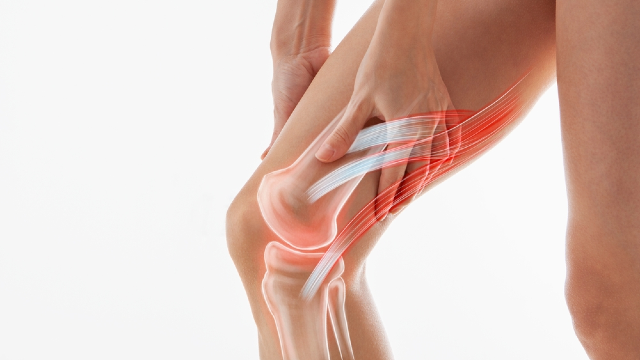
Chronic Tendon Pain Explained: When ESWT May Help
What chronic tendon pain is, why tendons are slow to settle, what conservative care comes first, and where extracorporeal shock wave therapy fits in the plan.
Learn More

Is Manual Therapy Painful? What a Session Feels Like
Is manual therapy painful? What hands-on treatment usually feels like, how the intensity is set, and what to tell your clinician before and during a session.
Learn More
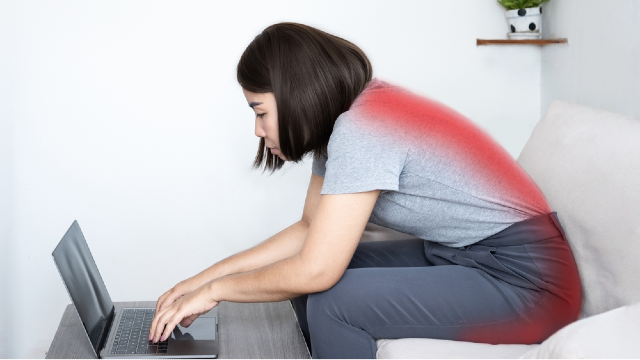
When Musculoskeletal Pain Needs a Specialist Assessment
The patient-side thresholds that move a musculoskeletal problem from self-care to a rehabilitation medicine assessment, and how to judge if yours apply.
Learn More