Specialized Rehabilitation & Pain Care in Gangnam, Seoul · Dedicated International Concierge

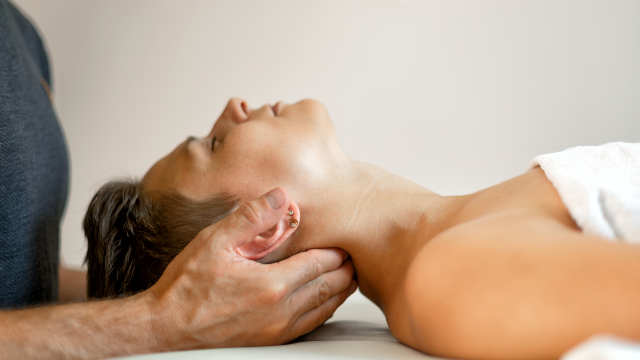
Medical Guide
Manual Therapy for Chronic Back Pain: A Korea Guide
What makes back pain chronic, the warning signs that need evaluation first, and where clinician-delivered manual therapy fits into non-surgical care.
Schedule a ConsultationManual Therapy for Chronic Back Pain: A Non-Surgical Approach for US Patients
Medically reviewed by Dr. Kim DaeHwan, Director, Well Rehabilitation Clinic; Specialist in Rehabilitation Medicine
Anyone researching manual therapy chronic back pain options has usually already passed the point where rest and time were going to solve it. That is a meaningful threshold rather than a vague one, and it changes what kind of care makes sense. This guide explains what makes back pain chronic, which symptoms mean you need evaluation before anyone puts hands on your spine, and where clinician-delivered manual therapy sits at Well Rehabilitation Clinic in Seoul.
What actually makes back pain "chronic"
The dividing line is a duration, not a severity. MedlinePlus, the patient-education service of the U.S. National Library of Medicine, defines chronic pain as pain lasting longer than three months, or longer than the time in which you should have healed. For the back specifically, MedlinePlus draws the same line: acute back pain comes on suddenly and usually lasts days to a few weeks, and back pain is called chronic once it has lasted more than three months.
Two things about that definition matter to anyone weighing treatment.
The first is that chronic pain is common rather than exotic. MedlinePlus reports that back pain is one of the most common medical problems, affecting eight out of ten people at some point in their lives. StatPearls, the peer-reviewed clinical reference published on the National Library of Medicine's Bookshelf, similarly describes low back pain as very prevalent among adults in the United States and one of the most common debilitating outpatient complaints.
The second is that most of it resolves without intervention. MedlinePlus notes that most back pain goes away on its own, though it can take a while — which is precisely why the three-month mark is the point at which a different kind of attention becomes reasonable.
Why chronic back pain behaves differently
Once pain persists, it stops being a simple signal about tissue damage. MedlinePlus explains that acute pain can turn into chronic pain, that there may be an ongoing cause such as arthritis, and that in some cases there is no clear cause at all. It also notes that environmental and psychological factors, including mood and stress, can make chronic pain worse.
The physical contributors compound over time rather than arriving at once. MedlinePlus lists among the causes of chronic low back pain the extra wear and tear of the spine that can follow heavy use at work or in sport, injuries or fractures, and previous surgery. A herniated disk, in which part of a spinal disk presses on nearby nerves, is another. So is spinal stenosis, a narrowing of the spaces around the spinal nerves and cord.
MedlinePlus also lists the things that raise risk: being over thirty, carrying extra weight, pregnancy, not exercising, feeling stressed or depressed, smoking, and jobs involving heavy lifting, bending and twisting, or whole-body vibration such as truck driving.
None of that tells you what is wrong with your own back. It tells you why a single guess is a poor basis for treatment, and why examination comes first.
The symptoms that mean evaluation before treatment
This is the part of the article most worth reading carefully.
Well Rehabilitation Clinic is explicit that manual therapy may not be appropriate when symptoms suggest an acute or serious medical condition requiring further diagnostic evaluation or a different type of treatment. That is a stated limit on the treatment, not a disclaimer attached to it, and it is the reason assessment precedes any hands-on work at the clinic.
MedlinePlus gives the patient-facing version of the same boundary. Contact a provider right away, it advises, if you have numbness, loss of movement, weakness, or changes in bowel or bladder function. It also advises seeking medical attention if back pain follows an injury, and contacting your provider if severe pain does not improve after three days.
Symptoms that MedlinePlus associates with chronic low back pain and that are worth describing accurately to a clinician include:
- a dull aching pain, or a sharp one
- tingling or burning sensations
- weakness in the legs or feet
- pain that travels into the leg, hip, or the bottom of the foot
A clinician's job at the first visit is partly to sort these. If the pattern points somewhere other than mechanical back pain, hands-on treatment is the wrong next step and the right answer is further evaluation.
Where manual therapy fits in non-surgical care
Manual therapy is one option among several, and MedlinePlus frames the field that way. Treatment for back pain, it notes, depends on the kind of pain and its cause, and may include hot or cold packs, exercise, medicines, injections, complementary treatments, and sometimes surgery. For chronic low back pain, MedlinePlus lists measures a provider may recommend including a back brace, cold packs and heat, traction, physical therapy involving stretching and strengthening, and counseling to help understand and manage pain. Surgery, it says, is considered only when nerve or bone damage is causing pain that has not healed over a long period.
Rehabilitation as a discipline sits across all of that. MedlinePlus describes rehabilitation as care that helps you get back abilities needed for daily life, and lists chronic pain, including back and neck pain, among the common reasons people need it.
At Well Rehabilitation Clinic, manual therapy for the spine and joints is a non-surgical rehabilitation treatment delivered through clinician-guided hands-on techniques, used as part of an individualized musculoskeletal rehabilitation plan built around your symptoms, physical condition, movement limitations and recovery needs. Patients from the United States tend to ask about it when neck, back or joint discomfort is interfering with movement, work, exercise or everyday activities.
The clinic's stated benefits are deliberately modest in scope: reduced pain and stiffness, improved joint mobility, decreased muscle tension, and greater comfort during everyday movement. There is no claim beyond that, and outcomes vary.
What the clinic assesses before treating
The consultation at Well Rehabilitation Clinic generally covers your symptoms, medical history, functional limitations, previous treatment, and any relevant imaging or surgical records. Hands-on work starts only once the painful or restricted area has been assessed, and the techniques chosen follow from your condition and your rehabilitation goals.
The clinic emphasizes accurate evaluation and individualized treatment planning according to each patient's physical condition. For manual therapy specifically, that means the techniques used and the intensity applied should follow from your symptoms, movement findings, functional limitations and recovery goals, rather than from one standard protocol applied to everybody. Good candidates are patients with musculoskeletal pain, stiffness, reduced range of motion, or movement-related limitations involving the spine or joints.
Dr. Kim DaeHwan, the clinic's director, is a specialist in Rehabilitation Medicine whose documented clinical focus areas include musculoskeletal pain management, spine and joint rehabilitation, and manual therapy. His documented emphasis is on early management of musculoskeletal pain and on treatment planned from accurate examination and diagnosis rather than from the site of pain alone.
Bring an accurate medical history, a list of current medications, details of previous treatments, and any relevant imaging or surgical records. Those records are what let a clinician rule things in and out quickly.
What treatment and recovery involve
Manual therapy is generally performed without anesthesia, because it is a non-invasive hands-on rehabilitation treatment. You may feel pressure, stretching, or temporary discomfort during certain techniques, and the intensity should be adjusted according to your tolerance and clinical needs.
Recovery usually does not involve downtime, and most patients can continue daily activities as tolerated. Mild soreness or fatigue may occur temporarily. Returning to exercise or heavier activity should follow the clinician's guidance and your own condition.
Aftercare may include activity guidance, home exercises, stretching, posture advice, or other rehabilitation instructions. You should monitor how your symptoms respond and return for reassessment if that is recommended or if your condition changes. This is one place where MedlinePlus and the clinic agree in substance: staying in bed for more than a day or two can make back pain worse, so the direction of travel in both is back toward movement.
How long before anything changes
Results from manual therapy may appear gradually, or after the first few sessions. They are assessed through changes in pain, mobility, range of motion, function, and daily activities. How long any benefit lasts varies with the condition, how long symptoms have been present, activity level, treatment frequency, and how closely the rehabilitation plan is followed.
It is worth holding a realistic frame around this. MedlinePlus is direct that chronic pain is not always curable, but that treatment can help with symptoms, and that most back problems improve. Depending on the diagnosis, the clinic names several alternatives: rehabilitation built around exercise, medication management, shock wave therapy, an injection-based approach, or assessment by a different specialist. Which is most appropriate depends on the cause of symptoms, the clinical findings, the severity and your own goals.
For readers who have encountered regenerative injections while researching: StatPearls notes that several trials and meta-analyses suggest intradiscal platelet-rich plasma injections may reduce pain and improve function in selected patients with discogenic low back pain, while also noting that most biologic therapies of this kind remain investigational or off-label. That is a reasonable thing to ask a clinician about and an unreasonable thing to assume.
Planning a visit from the United States
The clinic sits in Gangnam-gu, Seoul, on the fifth floor of KB Woojun Tower at 447 Teheran-ro. It has concentrated on musculoskeletal pain treatment and postoperative rehabilitation since opening in 2019, and its appointment hours run across the working week with a midday pause.
Since how often you are seen, and for how long, is decided by the assessment rather than before it, the sensible first move is a consultation about your particular history. The contact page is where to raise that; background on the practice is on its about us page.
The Bottom Line
- Back pain is called chronic once it has lasted more than three months, a line MedlinePlus draws for pain generally and for the back specifically.
- Numbness, loss of movement, weakness, or bowel or bladder changes are reasons to contact a provider right away rather than book hands-on treatment.
- Well Rehabilitation Clinic states that manual therapy may not be appropriate when symptoms suggest an acute or serious condition needing further evaluation.
- The clinic's stated benefits are reduced pain and stiffness, better joint mobility, less muscle tension, and easier everyday movement — assessed over time, not promised.
- Alternatives the clinic names include exercise-based rehabilitation, medication management, shock wave therapy, injection-based treatment, or referral to another specialist.
Frequently Asked Questions
How long does back pain have to last before it counts as chronic?
More than three months. MedlinePlus applies the same threshold to chronic pain generally: pain that lasts beyond three months, or beyond the time in which you should have healed. Acute back pain, by contrast, usually resolves within days to a few weeks.
Are there symptoms that mean I should not book manual therapy yet?
Yes. MedlinePlus advises contacting a provider right away if you have numbness, loss of movement, weakness, or changes in bowel or bladder function. Well Rehabilitation Clinic separately states that manual therapy may not be appropriate when symptoms suggest an acute or serious condition requiring further diagnostic evaluation.
What does the clinic look at before deciding whether manual therapy suits me?
The consultation generally covers your symptoms, medical history, functional limitations, previous treatment, and any relevant imaging or surgical records. Treatment then begins with an assessment of the painful or restricted area before any technique is selected.
Does manual therapy require anesthesia?
No. It is a non-invasive hands-on rehabilitation treatment and is generally performed without anesthesia. You may feel pressure, stretching or temporary discomfort during some techniques, and the intensity should be adjusted to your tolerance.
How soon might I notice a difference?
Results may appear gradually or after the first few sessions, and they are judged by changes in pain, mobility, range of motion, function and daily activities. How long any benefit lasts varies with your condition, how long symptoms have been present, your activity level and how closely you follow the plan.
Will I need time off after a session?
Usually not. Recovery after manual therapy generally involves no downtime and most patients continue daily activities as tolerated, though mild soreness or fatigue can occur temporarily. Returning to exercise or heavier activity should follow your clinician's guidance.
What else might be recommended instead?
The clinic's own list runs to exercise-led rehabilitation, medication management, shock wave therapy, injection treatment, and referral to a different specialist. Which fits depends on what is causing your symptoms, what the examination finds, how severe things are, and what you are trying to achieve.
This article is for general informational purposes and does not constitute individualized medical advice. It is not a self-diagnosis tool. Rehabilitation candidacy, technique, and expected outcomes can only be determined through a consultation with a qualified rehabilitation physician.
More Articles
Continue reading educational guides from Well Rehabilitation Clinic.
Chronic Tendon Pain Explained: When ESWT May Help
What chronic tendon pain is, why tendons are slow to settle, what conservative care comes first, and where extracorporeal shock wave therapy fits in the plan.
Learn More

Is Manual Therapy Painful? What a Session Feels Like
Is manual therapy painful? What hands-on treatment usually feels like, how the intensity is set, and what to tell your clinician before and during a session.
Learn More
When Musculoskeletal Pain Needs a Specialist Assessment
The patient-side thresholds that move a musculoskeletal problem from self-care to a rehabilitation medicine assessment, and how to judge if yours apply.
Learn More