Specialized Rehabilitation & Pain Care in Gangnam, Seoul · Dedicated International Concierge

Medical Guide
Is Manual Therapy Painful? What a Session Feels Like
Is manual therapy painful? What hands-on treatment usually feels like, how the intensity is set, and what to tell your clinician before and during a session.
Schedule a ConsultationIs Manual Therapy Painful? Answers to Common Patient Questions
Medically reviewed by Dr. Kim DaeHwan, Director, Well Rehabilitation Clinic; Specialist in Rehabilitation Medicine
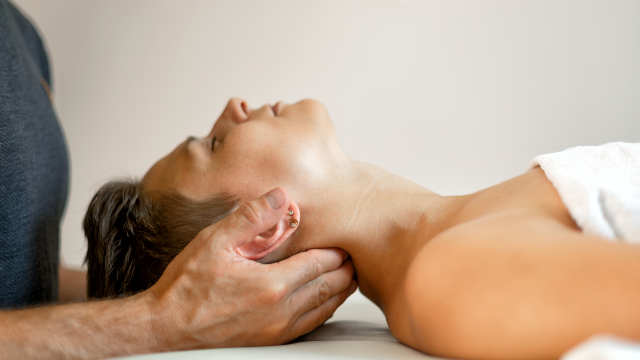
No. Is manual therapy painful is one of the questions people ask most often before a first appointment, and the working answer at Well Rehabilitation Clinic is that hands-on treatment should not hurt. Three sensations are expected rather than avoided — a firm contact, a pull at the end of a movement, and a brief ache where a stiff joint or a tight muscle is being worked. None of them is meant to exceed what you can comfortably tolerate, and the clinician sets the strength of each technique accordingly, session by session. That last part is the answer that actually matters, because it makes the sensation something you and the clinician control together rather than something you simply endure.
The short answer, stated plainly
Hands-on rehabilitation is non-invasive. It is generally carried out without anesthesia, because nothing is cut, injected, or numbed. What you notice is mechanical: hands applying force to tissue that is already sensitive. The clinic's position is that the intensity of that force should be set according to what you tolerate and what the clinical situation calls for — not to a standard applied to everyone who walks in.
So the honest description is not "painless" and not "painful." It is closer to firm, purposeful, and sometimes briefly uncomfortable, with a volume dial that you have a hand on.
What you are likely to notice during a session
Three sensations come up repeatedly:
- Pressure. Sustained contact over a muscle or joint. Most people describe this as strong rather than sharp.
- Stretch. A pulling sensation at the end of a joint's available movement. This is often where discomfort is most noticeable, because the tissue being lengthened is the tissue that has been restricted.
- Brief, localized soreness. A short-lived reaction in the area being treated, typically fading within seconds of the hands coming off.
None of these should escalate into something you want to brace against. Bracing is worth mentioning to your clinician when it happens, because a guarded muscle is harder to treat and the guarding itself tells the clinician something useful.
Why discomfort and warning pain are different things
There is a practical distinction worth carrying into the room. Discomfort is the sensation of a restricted structure being moved. Warning pain is sharp, radiating, or accompanied by something new — numbness, tingling, weakness, or a symptom that does not settle once the pressure stops. The first is expected and negotiable. The second is information, and it should change what happens next in the session.
This is why the clinic treats communication during treatment as part of the treatment rather than a courtesy. A technique that produces the second kind of sensation is not a technique to push through.
There is also a threshold for seeking review that has nothing to do with treatment sessions at all. On back pain specifically, MedlinePlus advises calling a health care provider if the pain is severe or has not improved after three days, and seeking medical attention if it followed an injury. Symptoms that meet that description belong in front of a clinician before a course of hands-on treatment is arranged, not during one.
The soreness afterward, and how long it lasts
Manual therapy does not come with a recovery period. Most people carry on with their usual activities straight afterward, as tolerated. Mild soreness or temporary tiredness can follow a session, and where it does, it usually resolves on its own within a day or two.
That pattern — some post-treatment tenderness that settles quickly — is common across hands-on approaches to musculoskeletal problems generally, not unique to any one of them. If soreness is getting worse rather than better, or lasts noticeably longer than the day or two described above, that is worth reporting rather than waiting out.
What changes how much you feel
Several things move the dial, and knowing them makes the experience more predictable:
- How irritable the area is. A structure that already hurts at rest will register more from the same amount of pressure than one that only hurts on movement.
- How long the problem has been there. Long-standing stiffness often tolerates more input than a recently flared area.
- Which tissue is being addressed. Work directed at a joint feels different from work directed at muscle or at the tissue surrounding it.
- Where you are in a program. Early sessions are frequently more conservative while the clinician establishes how you respond.
- Your own state on the day. MedlinePlus, the patient education service of the U.S. National Library of Medicine, puts the underlying point plainly: each person feels pain differently, even when the reason for the pain is the same. It also names mood and stress among the things that can make long-running pain worse. Two people with the same shoulder finding can therefore report two different experiences of the same technique, and the same person can report differently from one week to the next.
The conversation that should happen before anyone touches you
There is a point in the National Center for Complementary and Integrative Health's guidance on hands-on spinal care — the NIH center covering complementary approaches — that generalizes well: because pre-existing health problems can raise the risk attached to hands-on techniques, practitioners should assess patients thoroughly, and patients should tell the practitioner about their health conditions and their medications. That exchange is what lets a clinician choose techniques that suit you specifically.
Well Rehabilitation Clinic's consultation covers your symptoms, your medical history, what movement you have lost, what has been tried before, and any imaging you have. Hands-on treatment is one part of rehabilitation medicine, which MedlinePlus describes as care aimed at restoring abilities lost to injury, illness, or disease, with goals set around what an individual person needs to get back to.
If your symptoms suggest something that needs to be looked at before rehabilitation starts, the clinic's stated position is that hands-on treatment may not be the right step yet. Being told that is a result, not a refusal.
People who have had an operation should factor in where they are in that recovery. MedlinePlus notes that some side effects follow any operation — pain is usual, and there may be swelling and soreness around the area the surgeon cut — and that your surgeon is the person who can say which ones to expect in your case. Sensation around an operated area is therefore not a clean baseline, and a clinician needs to know what is attributable to the surgery before interpreting what a technique produces.
Saying "that's too much" is part of the method
Patients sometimes stay quiet because they assume discomfort is the point, or because they do not want to interrupt. Neither assumption helps. Intensity is meant to be adjusted during the session, which requires the clinician to know where your limit is at that moment. A short sentence — "that's sharp," "that one's fine," "ease off there" — is enough.
Telling the clinic beforehand about anything that affects your tolerance is equally useful. So is mentioning changes between visits: a new symptom, a medication change, or a flare-up since the last appointment. You can raise any of this through the clinic's contact page before you arrive if you would rather not do it on the day.
The Bottom Line
- Manual therapy should not be painful; pressure, stretching, and mild temporary discomfort are the expected sensations, and intensity is adjusted to your comfort level.
- Anesthesia is not used, because the treatment is non-invasive.
- Mild soreness or tiredness afterward is common and usually resolves on its own within a day or two; there is no recovery period.
- Sharp, radiating, or new neurological symptoms are different from ordinary treatment discomfort and should be reported immediately.
- Telling the clinician about your health conditions and medications beforehand is what allows techniques to be chosen safely for you.
Frequently Asked Questions
Is manual therapy supposed to hurt?
No. The clinic's position is that manual therapy should not be painful. Gentle pressure, stretching, and mild temporary discomfort are expected as stiff joints and tight muscles are treated, and each technique is adjusted to keep you within your comfort level.
Will I be given anything for pain during the session?
Manual therapy is generally performed without anesthesia, because it is a non-invasive hands-on treatment. No numbing or sedation is involved. Comfort is managed by adjusting the technique itself.
How sore will I be the next day?
Mild soreness or temporary fatigue can occur after a session. Where it does, it usually settles on its own within a day or two, and most people continue with routine daily activities in the meantime.
What should I do if something hurts during treatment?
Say so at the time. The intensity of a technique is meant to be adjusted according to your tolerance, and the clinician cannot make that adjustment without knowing. Sharp or radiating sensations in particular should be reported straight away.
Does more discomfort mean the treatment is working better?
No. There is no relationship of that kind. Techniques are selected for what the clinical picture calls for, and the force used is set by what you tolerate, so a more comfortable session is not a less effective one.
What should I tell the clinic before my first appointment?
Your health conditions and the medications you are taking, along with your symptoms and what treatment you have already had. The National Center for Complementary and Integrative Health specifically advises sharing health conditions and medications with anyone providing hands-on treatment.
Can I do anything beforehand to make it more comfortable?
Avoid strenuous activity that aggravates your symptoms in the hours before your session, wear clothing that gives easy access to the area being treated, and do not apply creams or oils to it. Let the clinic know if your symptoms, health, or medications have changed since you booked.
Is there anyone who should not have manual therapy?
Yes. It may not be appropriate where symptoms point to a condition that needs further diagnostic assessment first, and any contraindications are identified at the initial consultation. Background on the clinic and its director is on the About Us page.
This article is for general informational purposes and does not constitute individualized medical advice. It is not a self-diagnosis tool. Rehabilitation candidacy, technique, and expected outcomes can only be determined through a consultation with a qualified rehabilitation physician.
More Articles
Continue reading educational guides from Well Rehabilitation Clinic.
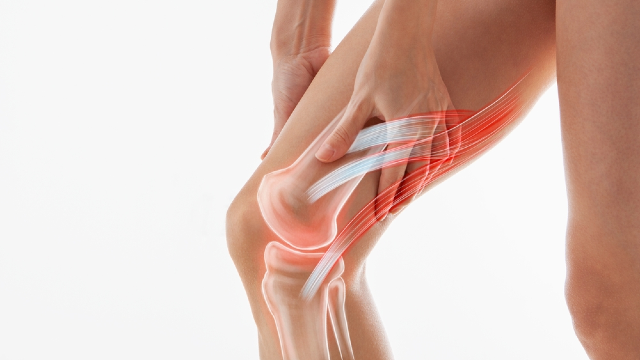
Chronic Tendon Pain Explained: When ESWT May Help
What chronic tendon pain is, why tendons are slow to settle, what conservative care comes first, and where extracorporeal shock wave therapy fits in the plan.
Learn More

Is Manual Therapy Painful? What a Session Feels Like
Is manual therapy painful? What hands-on treatment usually feels like, how the intensity is set, and what to tell your clinician before and during a session.
Learn More

When Musculoskeletal Pain Needs a Specialist Assessment
The patient-side thresholds that move a musculoskeletal problem from self-care to a rehabilitation medicine assessment, and how to judge if yours apply.
Learn More