Personalized Medical Care & Dedicated International Patient Concierge

Spine & Joint Rehabilitation · Needs Clinic Confirmation
Postoperative Rehabilitation
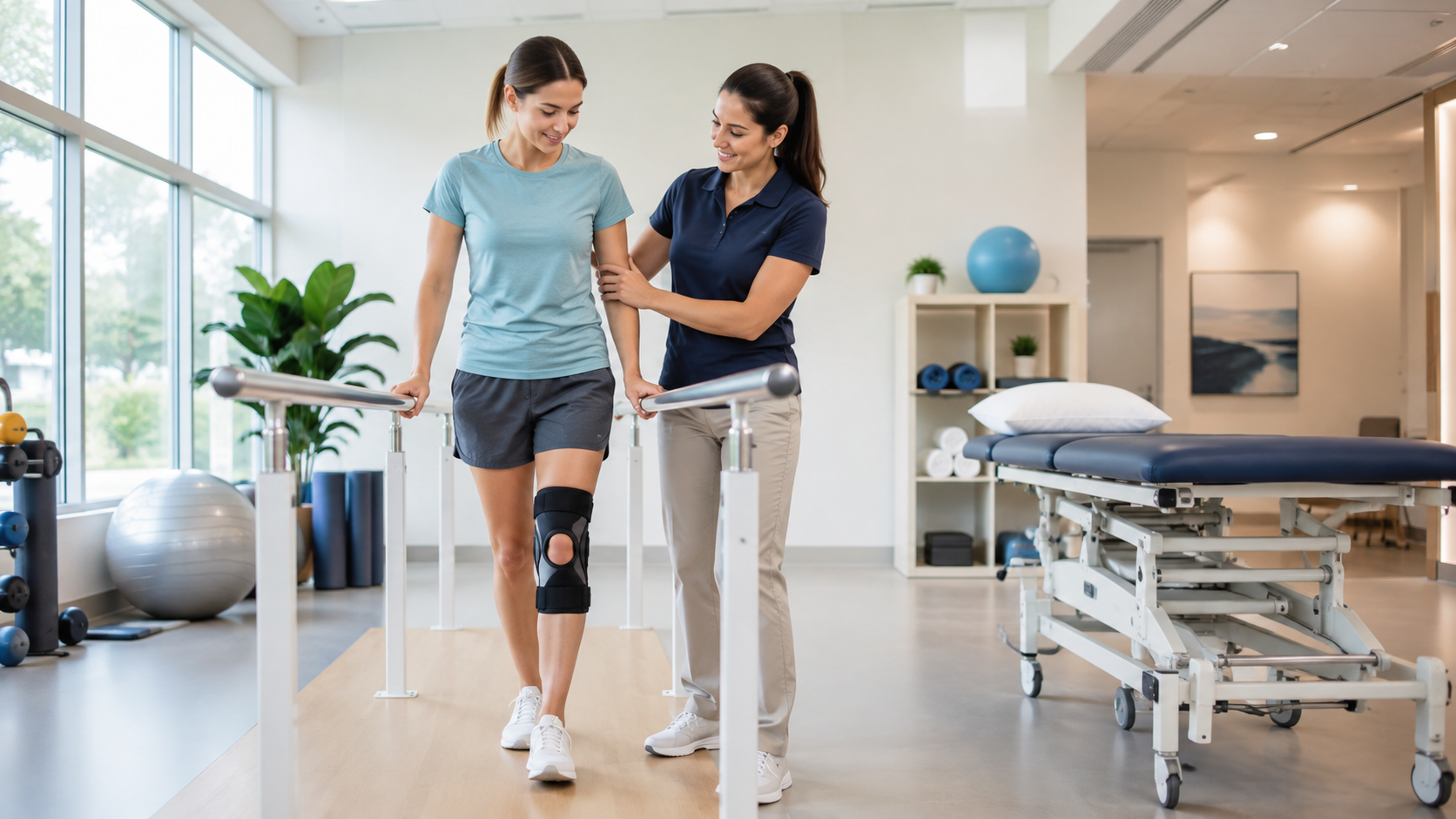
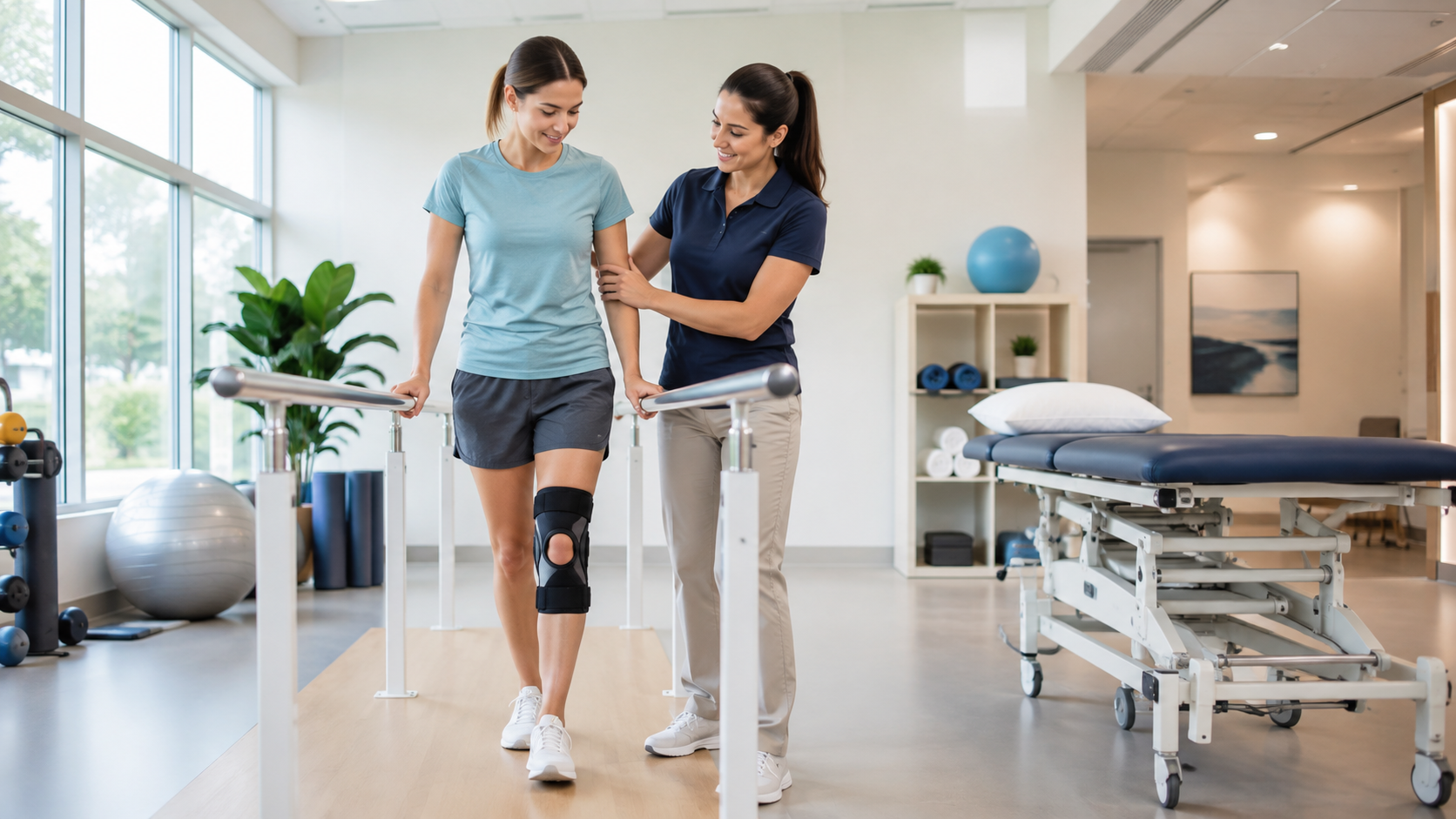
Postoperative rehabilitation is a structured recovery program designed to restore movement, strength, function, and daily activities after surgery, and it may include physical therapy, exercises, mobility training, and symptom management.
Schedule a ConsultationPostoperative Rehabilitation in Gangnam, Seoul
Medically reviewed by Dr. Kim DaeHwan, Director, Rehabilitation Medicine Specialist, Hallym University College of Medicine
Postoperative rehabilitation is a structured recovery program designed to restore movement, strength, function, and daily activities after surgery. At Well Rehabilitation Clinic in Gangnam, Seoul, postoperative rehabilitation is delivered as an individualized recovery plan for patients who need structured support to regain mobility after musculoskeletal or orthopedic surgery, including international patients who want to understand safe activity progression before returning home. Well Rehabilitation Clinic states that it has focused on musculoskeletal pain treatment and postoperative rehabilitation since opening in Gangnam in 2019, and patients from the United States often choose the clinic specifically for this specialist-led, individualized approach to recovery after surgery.
What Is Postoperative Rehabilitation?
Postoperative rehabilitation is a structured recovery program designed to restore movement, strength, function, and daily activities after surgery, and it may include physical therapy, exercises, mobility training, and symptom management. A few facts define what this program is, and is not, at Well Rehabilitation Clinic:
It is a non-surgical, function-focused phase of care that begins after an operation has already taken place — the rehabilitation itself is not a surgical procedure.
It typically does not require anesthesia, because the treatment consists of guided movement, exercise, and hands-on rehabilitation rather than an invasive procedure.
It is individualized to the surgery performed, the patient's current healing stage, and the patient's functional goals, rather than following one fixed protocol for every patient.
It sits within the clinic's broader Spine & Joint Rehabilitation program, alongside services such as Manual Therapy for Spine & Joints, reflecting the clinic's overall focus on non-surgical, rehabilitation-based musculoskeletal care.
It is intended for patients who have already had surgery and are moving into the recovery phase — patients who are still being evaluated for surgery, or whose postoperative complications have not yet been addressed by their surgeon, are assessed separately before rehabilitation begins.
Who Performs Postoperative Rehabilitation at Well Rehabilitation Clinic

Dr. Kim DaeHwan
Rehabilitation Medicine Specialist
Postoperative rehabilitation at Well Rehabilitation Clinic is directed by Dr. Kim DaeHwan, the clinic's Director and a specialist in Rehabilitation Medicine, whose documented core specializations specifically include postoperative rehabilitation alongside musculoskeletal pain management and spine and joint rehabilitation. Dr. Kim graduated from Hallym University College of Medicine, completed clinical training at Hallym University Kangdong Sacred Heart Hospital, and completed his residency training in Rehabilitation Medicine at Bundang Jesaeng Hospital. His career history extends beyond Well Rehabilitation Clinic into settings built specifically around structured recovery care: he served as Head of Rehabilitation Medicine at Gyeongbuk Provincial Geriatric Hospital during his public health service, and later as Director and Rehabilitation Center Head at Best Convalescent Hospital, both roles centered on helping patients regain function through supervised rehabilitation. Dr. Kim's stated clinical philosophy emphasizes early management of musculoskeletal issues, individualized treatment based on accurate examination and diagnosis, and specialist-delivered care tailored to each patient's physical condition — an approach that carries directly into how postoperative rehabilitation plans are built at the clinic. He is a Full Member of the Korean Academy of Rehabilitation Medicine, the Korean Association of Clinical Pain, and the Korean Society of Electromyography and Electrodiagnostic Medicine, and holds Titleist Performance Institute (TPI) Certified Professional status. Dr. Kim has also held university teaching roles, including as a former Adjunct/Outpatient Professor at Kyung Hee University College of Medicine and a current Adjunct/Outpatient Professor at Catholic Kwandong University College of Medicine.
Who Is a Good Candidate for Postoperative Rehabilitation?
Good candidates for postoperative rehabilitation typically include patients who:
Require structured rehabilitation support after musculoskeletal or orthopedic surgery.
Want to regain mobility, strength, and function following surgery in a stepwise, supervised way rather than managing recovery on their own.
Are international patients who want a rehabilitation plan that clarifies safe activity progression before returning to daily activities or traveling home.
Postoperative rehabilitation may need to be postponed for patients who:
Have unstable medical conditions that have not yet been stabilized by their treating physician.
Have untreated postoperative complications that need to be addressed by the operating surgeon first.
Have surgical precautions or restrictions that make active rehabilitation unsafe at this time.
Suitability, the appropriate starting point, and timing after surgery are confirmed individually during a consultation that reviews the patient's surgery and current condition. Patients from the United States most often request postoperative rehabilitation when spine or joint surgery, or another orthopedic procedure, has affected their mobility or daily activities and they want structured, specialist-supervised support to regain function rather than managing recovery informally on their own.
What to Expect: Consultation, Rehabilitation, and Results Timeline
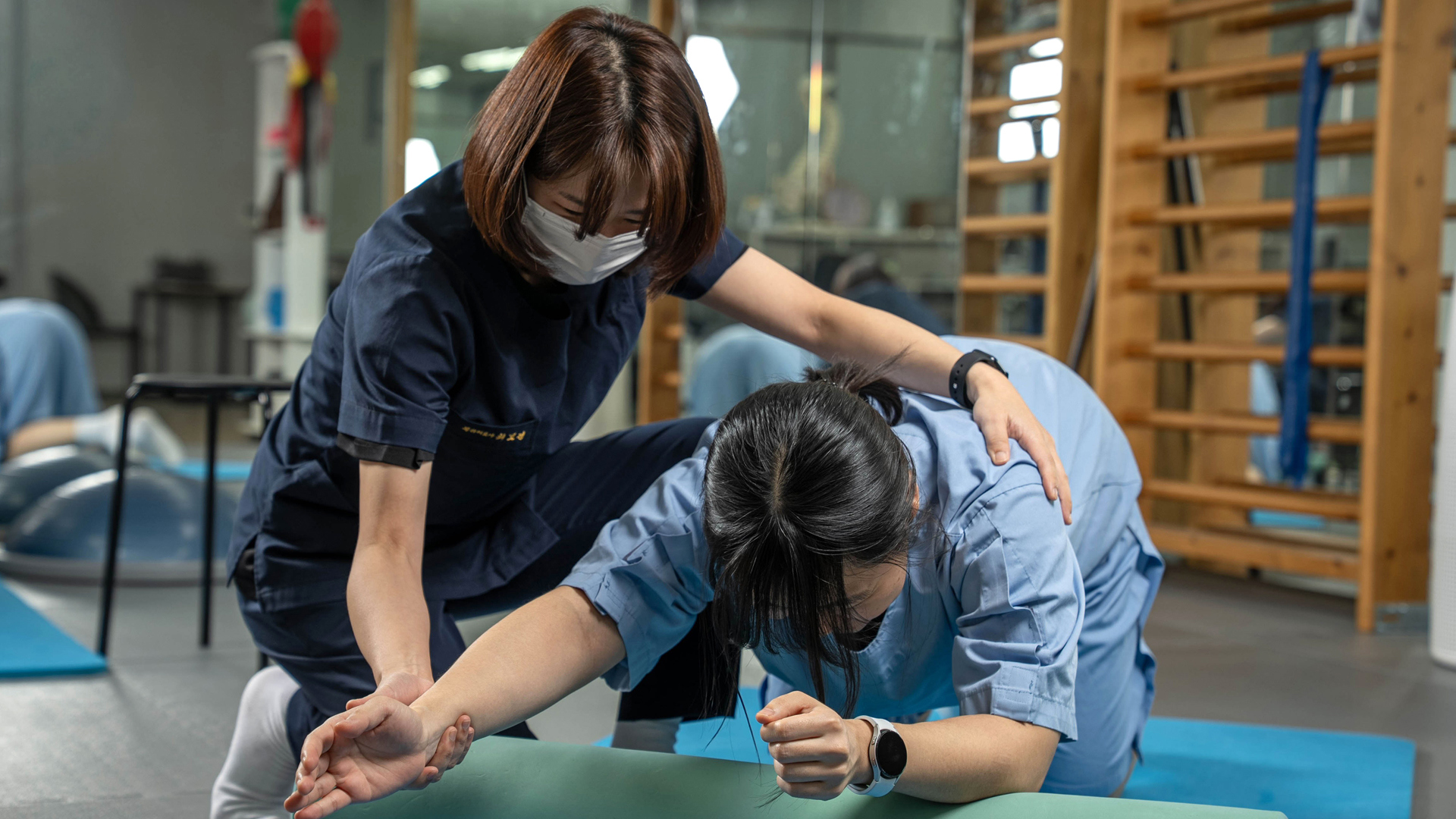
Consultation and assessment: The initial consultation generally reviews the surgery performed, current symptoms, medical history, mobility, strength, functional limitations, and any instructions from the operating surgeon. Relevant operative notes, imaging, discharge summaries, and prior rehabilitation records help the clinician plan care appropriately, so patients are asked to bring these documents to the first visit along with a current medication list and any activity restrictions the surgeon has already given.
Building the rehabilitation plan: Rehabilitation usually begins with an assessment of the patient's current function and postoperative precautions, followed by an individualized plan for safe movement and progressive recovery. Depending on what is clinically appropriate, treatment may include guided mobility work, therapeutic exercise, hands-on rehabilitation, and functional training, with progress reassessed over time so the plan can be adjusted as healing continues.
Comfort and pace: Postoperative rehabilitation itself is generally non-surgical and usually does not require anesthesia. Pain and activity tolerance are taken into account throughout treatment, and the pace and intensity of the rehabilitation plan are adjusted according to the patient's comfort and stage of healing rather than a fixed timetable.
Recovery is gradual: Recovery from postoperative rehabilitation depends on the surgery performed, healing progress, the patient's baseline health, and the patient's functional goals — it is not a single milestone but a gradual process tracked over multiple visits. For international patients planning travel, a stay of roughly 7–14 days in Korea is a common planning benchmark, though the exact schedule depends on the individualized treatment plan confirmed at consultation.
Tracking progress and results: Progress is usually evaluated through changes in pain, range of motion, strength, walking or movement ability, and the ability to return to daily activities. The time needed to reach rehabilitation goals varies according to the type of surgery, the healing process, and each patient's individual response to treatment.
Aftercare: Aftercare commonly includes following the prescribed activity precautions from the operating surgeon, performing recommended home exercises, and attending follow-up rehabilitation assessments when advised. Patients are asked to continue following their surgeon's instructions and to seek medical review if recovery does not progress as expected or if concerning symptoms develop.
The table below summarizes how a typical postoperative rehabilitation course at Well Rehabilitation Clinic is structured, based on the clinic's documented process:
Phase | What Happens | Focus |
|---|---|---|
Initial consultation | Review of the surgery performed, medical history, mobility and strength, and the operating surgeon's instructions; relevant records reviewed | Establish a safe starting point before any rehabilitation begins |
Functional assessment | Assessment of current function and postoperative precautions | Identify what movement and activity are currently safe |
Individualized rehabilitation | Guided mobility, therapeutic exercise, hands-on rehabilitation, and functional training as clinically appropriate | Progressive, safe recovery of movement and strength |
Reassessment | Progress reassessed over time; plan adjusted | Track pain, range of motion, strength, and daily function |
Aftercare and follow-up | Home exercises, activity guidance, and follow-up assessments | Support continued recovery after formal sessions end |
Independent clinical literature on orthopedic recovery is broadly consistent with this staged, supervised approach. Enhanced recovery protocols used in orthopedic surgery — which combine early mobilization, structured physical therapy, and progressive activity — have been associated in the surgical literature with better functional recovery and fewer complications compared with less structured postoperative care. One review of enhanced recovery protocols in orthopedic surgery patients found that programs combining passive and active rehabilitation exercises, gradual increases in standing and walking, and structured physical therapy were associated with shorter hospital stays, improved joint-function recovery scores, a lower incidence of complications, and higher patient satisfaction compared with standard postoperative care. Reviews focused specifically on the timing of mobilization after surgery — including after hip fracture surgery — have reported that earlier, appropriately supervised mobilization is associated with reduced rates of postoperative complications, shorter hospital stays, and better functional outcomes, reinforcing why a staged, professionally guided program is generally favored over unsupervised recovery.
Safety, Precision, and Clinic Standards
Dr. Kim DaeHwan is a licensed Rehabilitation Medicine specialist in South Korea, and postoperative rehabilitation at Well Rehabilitation Clinic is directed under his specialty training and clinical oversight.
Well Rehabilitation Clinic states that it emphasizes accurate examination and diagnosis before treatment planning, with an individualized plan built around each patient's physical condition, symptoms, and functional goals.
Well Rehabilitation Clinic is registered with South Korea's Ministry of Health and Welfare as a Medical Institution for Attracting Foreign Patients, in compliance with the Medical Overseas Expansion and Foreign Patients Attraction Act — a national registration framework administered through the Korea Health Industry Development Institute (KHIDI) that requires registered institutions serving international patients to carry medical malpractice liability insurance and meet government oversight standards for patient safety. Under this national framework, registered medical institutions serving foreign patients have been required to carry medical malpractice liability insurance since 2016, a requirement the Ministry of Health and Welfare introduced specifically to strengthen the rights and safety of international patients treated in Korea.
The World Health Organization identifies rehabilitation as an essential health service that helps people recover and maintain function after surgery, injury, or illness, and calls for rehabilitation to be integrated at every level of health care rather than treated as an optional add-on to surgical care.
Independent research on orthopedic recovery has found that structured, supervised postoperative rehabilitation protocols are associated with improved functional recovery scores and lower complication rates compared with unstructured postoperative activity, reinforcing the value of a supervised, individualized program rather than self-directed recovery.
English-speaking consultation and support are available for international patients at Well Rehabilitation Clinic.
The clinic is open on Monday, Tuesday, Thursday, and Friday from 9:00 AM to 7:00 PM KST, with a lunch break from 1:30 PM to 2:30 PM. On Wednesdays, it operates from 9:00 AM to 1:00 PM. The clinic is closed on weekends and public holidays. Well Rehabilitation Clinic operates under Business Registration Number 740-92-01117, and a current public medical directory reports one Rehabilitation Medicine specialist practicing at the clinic, consistent with the clinic's description of Dr. Kim DaeHwan as its Director.
The Bottom Line
Postoperative rehabilitation at Well Rehabilitation Clinic is a structured, individualized recovery program aimed at restoring movement, strength, and daily function after surgery.
Care is directed by Dr. Kim DaeHwan, the clinic's Director and a licensed Rehabilitation Medicine specialist whose training and career history center specifically on rehabilitation and recovery-focused medicine.
The program is non-surgical and generally does not require anesthesia; pace and intensity are adjusted to each patient's healing stage and comfort rather than a fixed schedule.
International patients commonly plan for roughly 7–14 days in Korea, though the exact schedule depends on the surgery performed and the individualized plan confirmed at consultation.
A consultation — bringing surgical records, discharge instructions, imaging, and any surgeon-provided activity restrictions — is the starting point for building a personalized recovery plan.
Frequently Asked Questions
Am I a good candidate for postoperative rehabilitation at Well Rehabilitation Clinic? Patients who require structured rehabilitation support after musculoskeletal or orthopedic surgery are generally considered good candidates. Because suitability depends on the specific surgery, current healing stage, and any restrictions from the operating surgeon, this is confirmed individually during a consultation that reviews your surgical records and current condition.
Is postoperative rehabilitation painful, and is anesthesia used? Postoperative rehabilitation itself is generally non-surgical and usually does not require anesthesia. Pain and activity tolerance are taken into account throughout treatment, and the pace of exercise and mobility work is adjusted to your comfort and stage of healing.
How long do international patients typically need to stay in Korea for postoperative rehabilitation? A stay of roughly 7–14 days in Korea is a common planning benchmark for rehabilitation-based treatment at Well Rehabilitation Clinic, but the exact length of stay depends on the surgery performed and the individualized treatment plan confirmed after your initial assessment.
What should I bring to my first postoperative rehabilitation consultation? Patients are asked to bring relevant surgical records, discharge instructions, imaging, a current medication list, and any rehabilitation restrictions provided by the operating surgeon, so the clinician can plan care appropriately from the first visit.
Can postoperative rehabilitation be combined with other treatments at the clinic? Postoperative rehabilitation may be combined with other musculoskeletal treatments when medically appropriate and when doing so does not conflict with the patient's surgical precautions. Any combination of treatments is determined individually by the clinician based on the patient's surgery and recovery stage.
Is Well Rehabilitation Clinic set up to support international postoperative patients? Postoperative rehabilitation at the clinic is performed under the oversight of a licensed Rehabilitation Medicine specialist, and English-speaking consultation and support are available for patients traveling from outside Korea.
Who leads postoperative rehabilitation care at Well Rehabilitation Clinic? Dr. Kim DaeHwan, the clinic's Director and a Rehabilitation Medicine specialist, leads postoperative rehabilitation care at Well Rehabilitation Clinic, drawing on career experience that includes directing rehabilitation services at other recovery-focused hospitals in Korea.
Book a Consultation at Well Rehabilitation Clinic
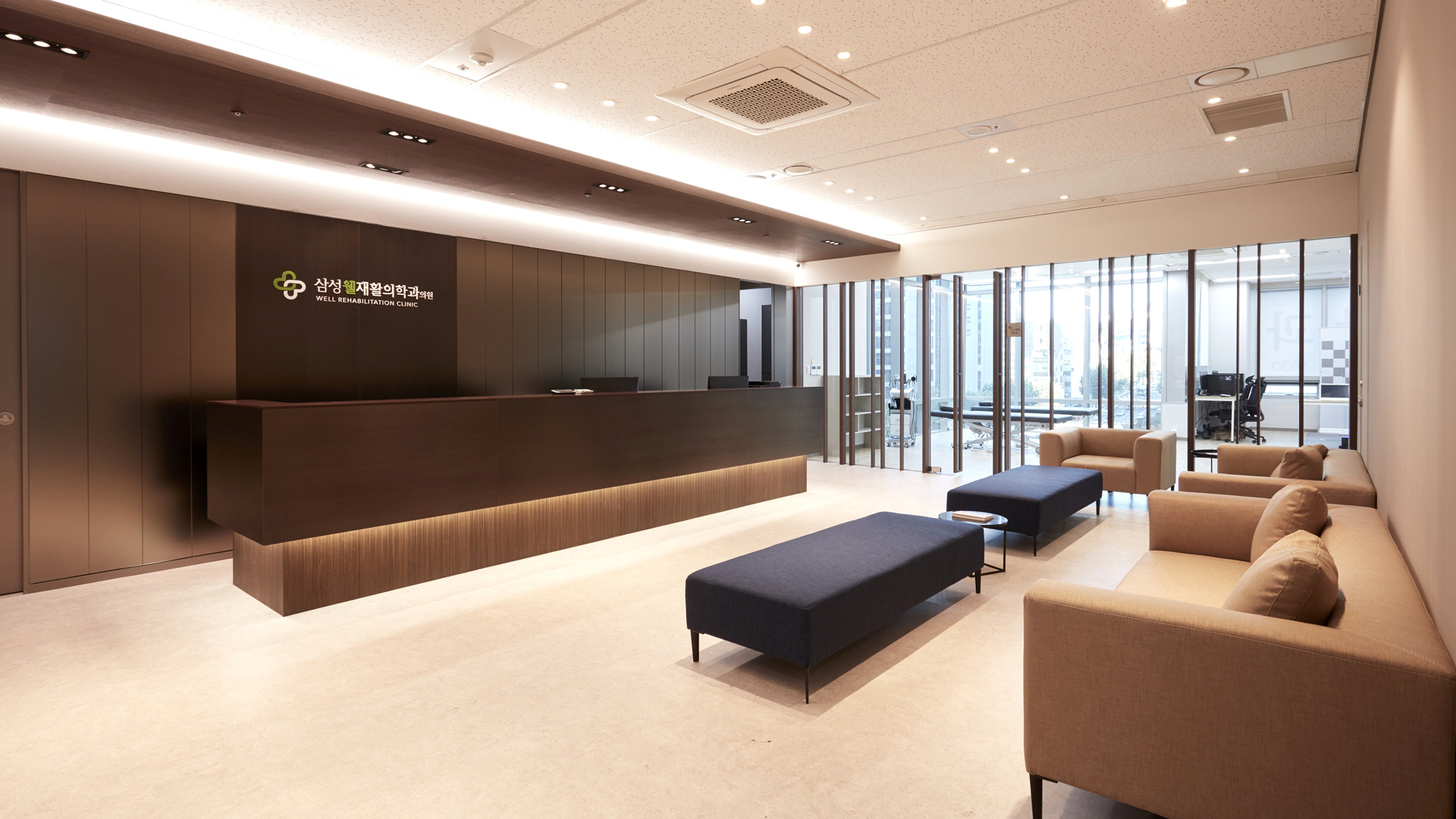
To discuss whether postoperative rehabilitation is right for your recovery after surgery, book a consultation with Dr. Kim DaeHwan at Book a Consultation in Gangnam, Seoul. Well Rehabilitation Clinic is located on the 5th floor of KB Woojun Tower, 447 Teheran-ro, Gangnam-gu, Seoul, and can also be reached by phone at +82-2-6203-1630. You can also review patient reviews before your visit, or learn more about the clinic's broader Spine & Joint Rehabilitation program.
Disclaimer
This page is for general informational purposes and does not constitute individualized medical advice. Candidacy, treatment planning, and expected outcomes can only be determined through a consultation with a qualified physician.
Sources & Further Reading
Other Services
Explore additional treatments offered by our specialists.

Chronic Fatigue IV Therapy
Chronic Fatigue IV Therapy is an intravenous therapy approach in which fluids and selected vitamins and minerals are administered through a vein, with the exact formulation determined according to an individual assessment of the patient's fatigue-related…
Learn More
Extracorporeal Shock Wave Therapy (ESWT)
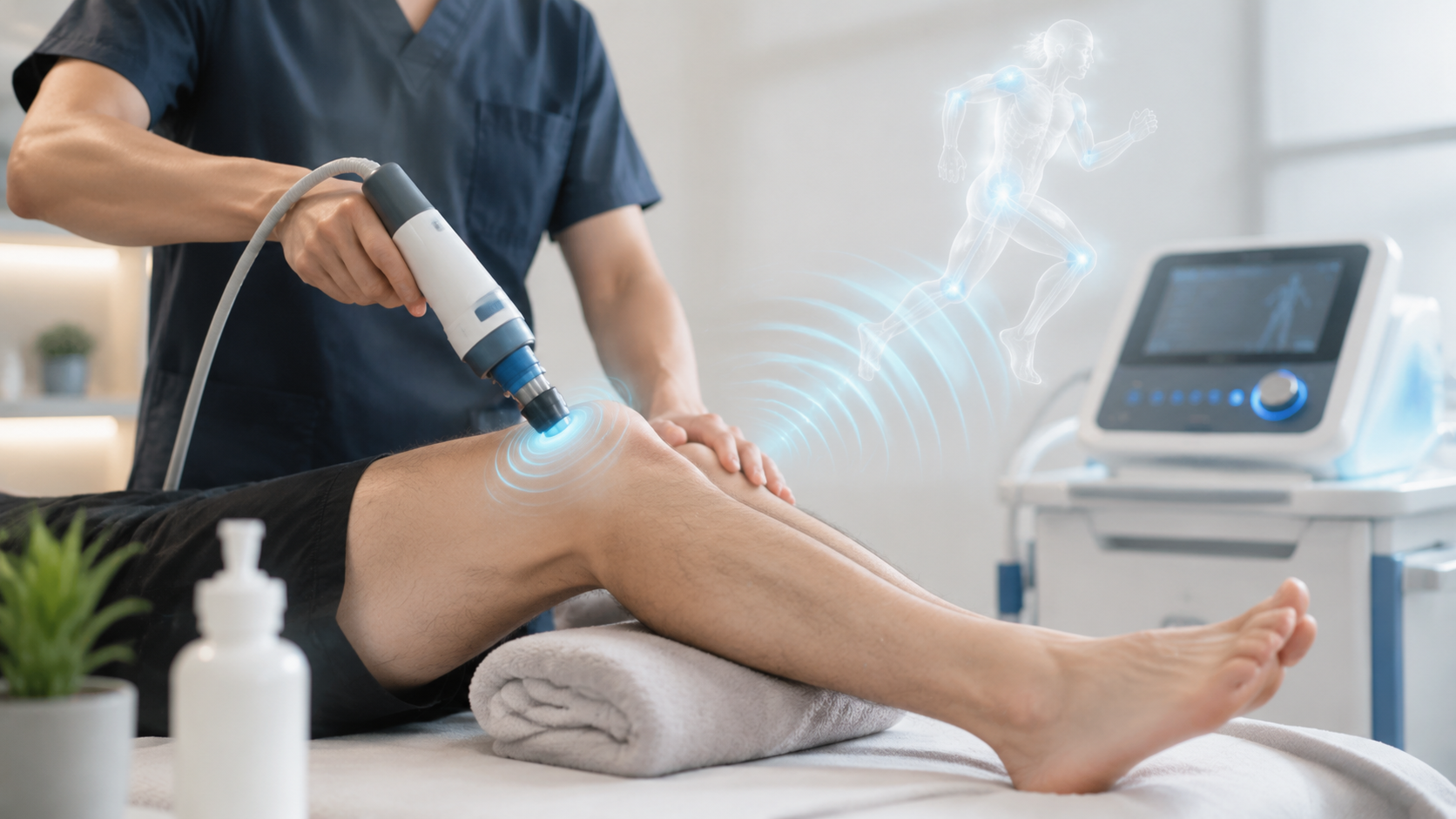
Extracorporeal Shock Wave Therapy is a treatment that applies externally generated acoustic (sound) wave energy to a painful or injured area of the musculoskeletal system without needles, incisions, or surgery.
Learn More
Postoperative Rehabilitation
Postoperative rehabilitation is a structured recovery program designed to restore movement, strength, function, and daily activities after surgery, and it may include physical therapy, exercises, mobility training, and symptom management.
Learn More