Specialized Rehabilitation & Pain Care in Gangnam, Seoul · Dedicated International Concierge

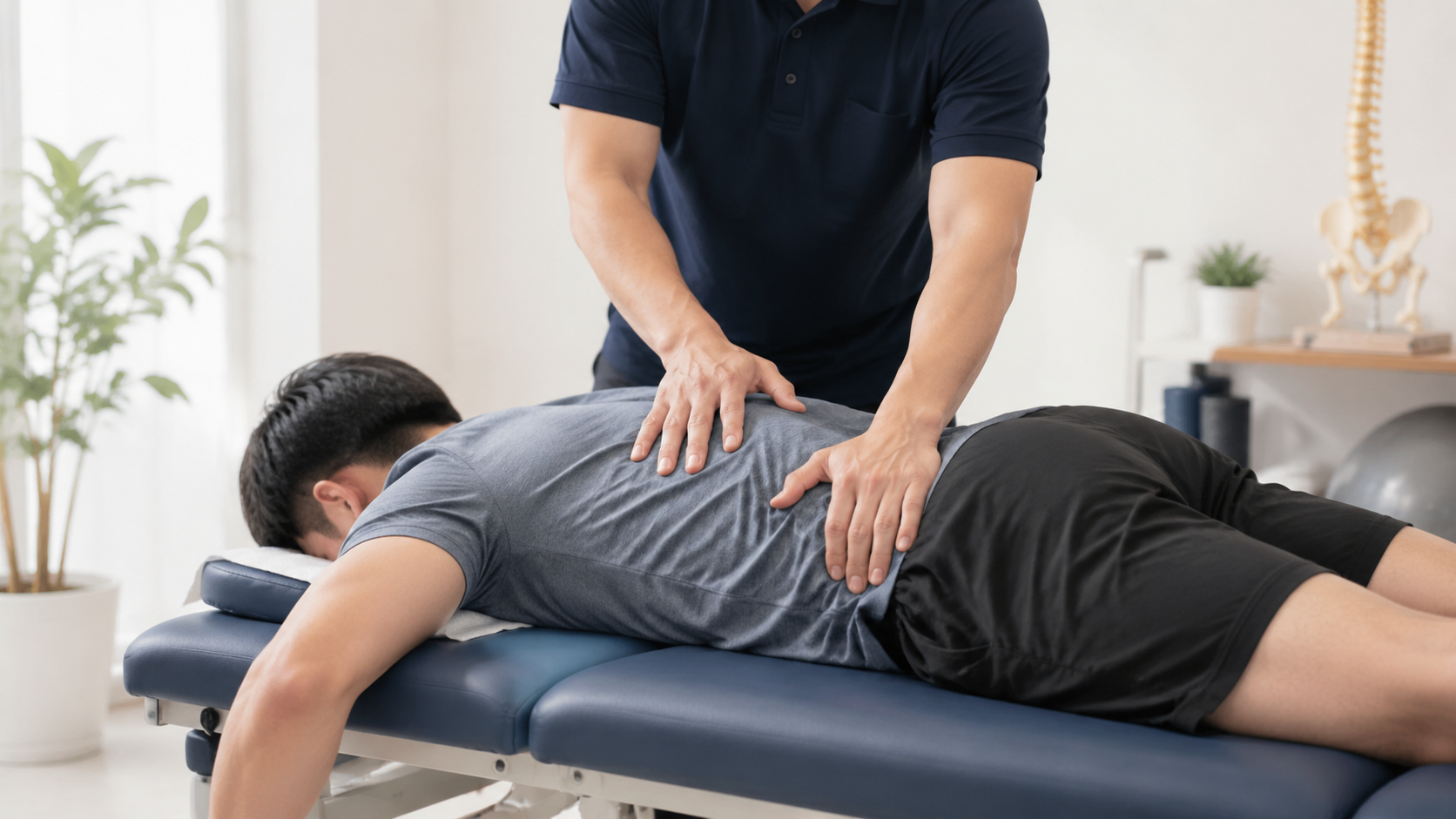
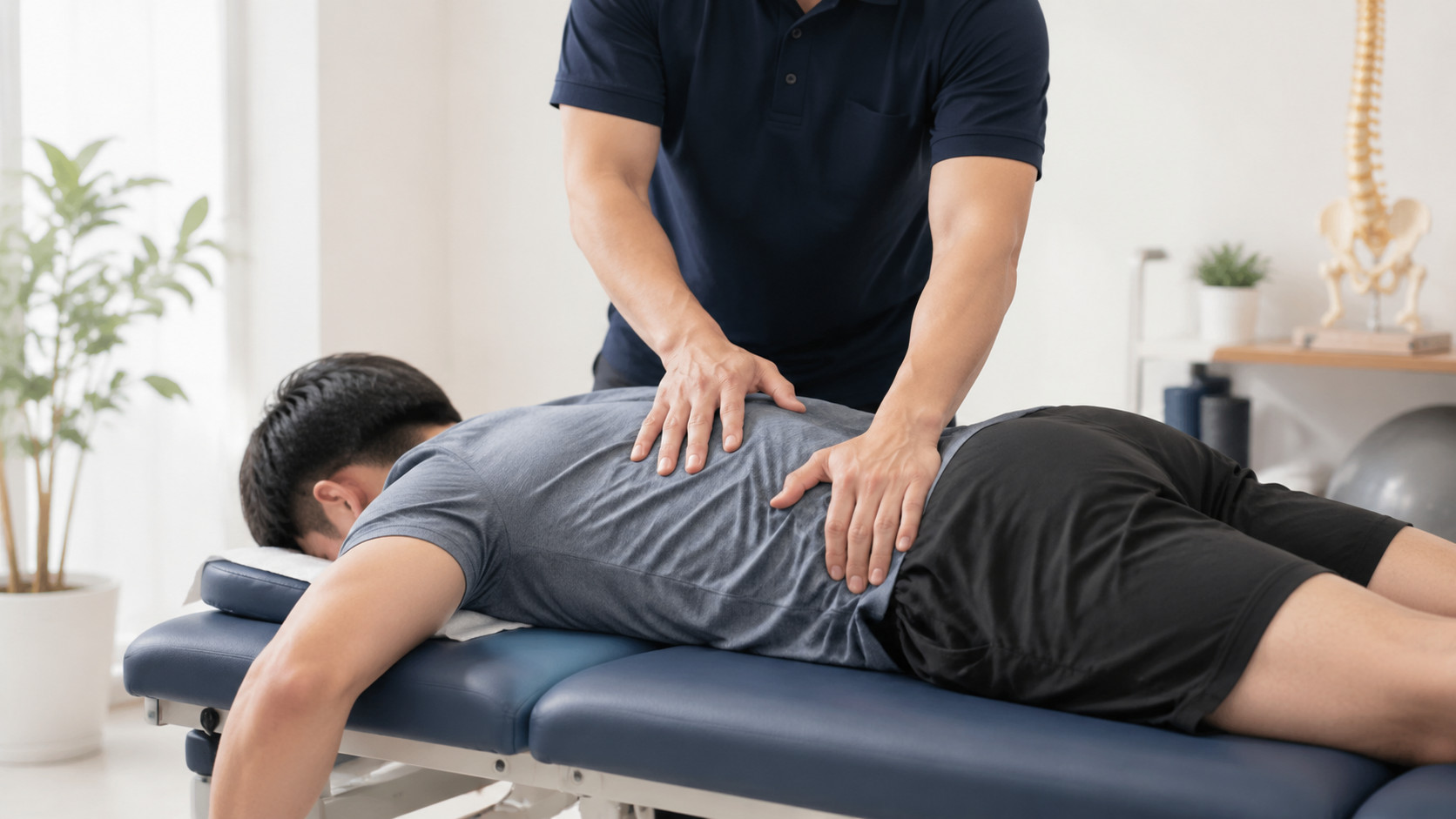
Spine & Joint Rehabilitation · Needs Clinic Confirmation
Manual Therapy for Spine & Joints & Muscles
Manual Therapy for Spine, Joints & Muscles is a non-surgical rehabilitation treatment delivered through clinician-guided, hands-on techniques, used as part of an individualized plan built around the patient's symptoms, physical condition, movement…
Schedule a ConsultationManual Therapy for Spine, Joints & Muscles in Seoul
Medically reviewed by Dr. Kim DaeHwan, Director, Rehabilitation Medicine Specialist, Hallym University College of Medicine Well Rehabilitation Clinic, Gangnam, Seoul
Manual therapy for spine, joints, and muscles is a non-surgical rehabilitation treatment delivered through clinician-guided, hands-on techniques, used to ease musculoskeletal pain, stiffness, and movement limitations in the spine and joints. At Well Rehabilitation Clinic, a rehabilitation medicine clinic in Seoul's Gangnam district, manual therapy is one of two core services within the Spine & Joint Rehabilitation specialty — the other being structured Postoperative Rehabilitation — and it is planned individually rather than delivered as a single fixed protocol. Patients from the United States commonly request manual therapy at this clinic when neck, back, or joint discomfort begins to interfere with movement, work, exercise, or everyday activities, and many are specifically looking for a hands-on, rehabilitation-focused option rather than surgery or long-term medication. Care is led personally by Dr. Kim DaeHwan, Director of Well Rehabilitation Clinic and a specialist in Rehabilitation Medicine whose documented clinical focus areas include manual therapy, musculoskeletal pain management, and spine and joint rehabilitation. International patients evaluating this service from abroad most often want to confirm the treating physician's specialist credentials, how much a session actually involves, whether it will hurt, and how long they should plan to stay in Seoul — questions this page addresses directly.
What Is Manual Therapy for Spine, Joints & Muscles?
Manual Therapy for Spine, Joints & Muscles is a non-surgical rehabilitation treatment delivered through clinician-guided, hands-on techniques, used as part of an individualized plan built around the patient's symptoms, physical condition, movement limitations, and recovery needs.
Well Rehabilitation Clinic offers manual therapy sessions in two length formats — 30-minute and 50-minute sessions — with the specific length and total number of sessions confirmed after a clinical assessment rather than fixed in advance.
Treatment is delivered through hands-on techniques selected according to the individual patient's condition and rehabilitation goals, not a single standard protocol applied to every patient.
Manual therapy is generally performed without anesthesia because it is a non-invasive, hands-on rehabilitation treatment.
It is one of two core services that make up the clinic's Spine & Joint Rehabilitation specialty, and it can be combined with other musculoskeletal treatments, such as ESWT or PRP therapy, when clinically appropriate.
Patients from the USA most often request this service when neck, back, or joint discomfort interferes with movement, work, exercise, or everyday activities.
Who Performs Manual Therapy for Spine, Joints & Muscles at Well Rehabilitation Clinic
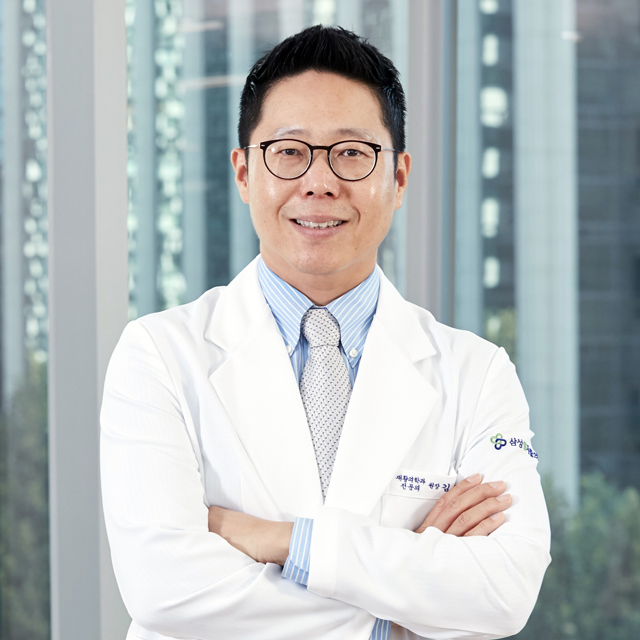
Dr. Kim DaeHwan
Rehabilitation Medicine Specialist
Dr. Kim DaeHwan is the Director of Well Rehabilitation Clinic and a Rehabilitation Medicine specialist in South Korea, and he is directly involved in evaluating and planning manual therapy care for patients rather than delegating that assessment to non-specialist staff. He graduated from Hallym University College of Medicine, completed clinical training at Hallym University Kangdong Sacred Heart Hospital, and completed residency training in Rehabilitation Medicine at Bundang Jesaeng Hospital. Manual therapy is one of Dr. Kim's documented core specializations, alongside musculoskeletal pain management, spine and joint rehabilitation, and postoperative rehabilitation, and it is one of the clinical modalities specifically associated with his practice at this clinic. He holds certification as a TPI (Titleist Performance Institute) Certified Professional, a credential centered on movement and biomechanical assessment that is directly relevant to identifying the restricted or painful areas that manual therapy is designed to treat. Dr. Kim is a full member of the Korean Academy of Rehabilitation Medicine, the Korean Association of Clinical Pain, and the Korean Society of Electromyography and Electrodiagnostic Medicine, professional societies relevant to the diagnostic and functional assessment work that underpins manual therapy planning. He has also held university teaching roles, previously as an Adjunct/Outpatient Professor at Kyung Hee University College of Medicine and currently at Catholic Kwandong University College of Medicine, alongside resident and fellow mentoring, workshops, and lectures. Available press-based reporting on his clinical philosophy describes an emphasis on early management of musculoskeletal pain, individualized treatment based on accurate examination and diagnosis, and specialist-delivered care tailored to each patient's physical condition — the same approach that shapes how manual therapy sessions are planned and adjusted at this Gangnam clinic. Well Rehabilitation Clinic itself has focused on musculoskeletal pain treatment since it opened in Gangnam in 2019, and manual therapy has been part of that focus from the start.
Manual Therapy Session Options at Well Rehabilitation Clinic
Session Format | What It Is |
|---|---|
30-minute session | A shorter hands-on manual therapy session |
50-minute session | A longer hands-on manual therapy session |
Which session length is appropriate, and how many sessions a treatment plan requires, is determined individually during consultation based on the patient's diagnosis, symptoms, functional limitations, and rehabilitation goals — not a fixed package applied to every patient. Manual therapy may also be combined with other rehabilitation or musculoskeletal treatments offered at the clinic when clinically appropriate, which can affect the overall visit schedule; this is discussed in more detail below.
Who Is a Good Candidate for Manual Therapy for Spine, Joints & Muscles?
Patients with musculoskeletal pain, stiffness, reduced range of motion, or movement-related limitations involving the spine or joints.
Patients whose neck, back, or joint discomfort is interfering with movement, work, exercise, or everyday activities.
Patients who prefer a non-surgical, hands-on, rehabilitation-focused treatment option over surgery or long-term medication management.
Patients who are not suitable candidates may include those whose symptoms suggest an acute or serious underlying medical condition that requires further diagnostic evaluation or a different type of treatment before rehabilitation begins.
Suitability for manual therapy specifically — as opposed to another service such as Postoperative Rehabilitation, or a combination approach — is confirmed during an individual consultation with Dr. Kim DaeHwan, based on the patient's symptoms, medical history, functional limitations, previous treatment, and any relevant imaging or surgical records, rather than decided before an in-person or online evaluation.
What to Expect: Procedure, Recovery, and Results Timeline
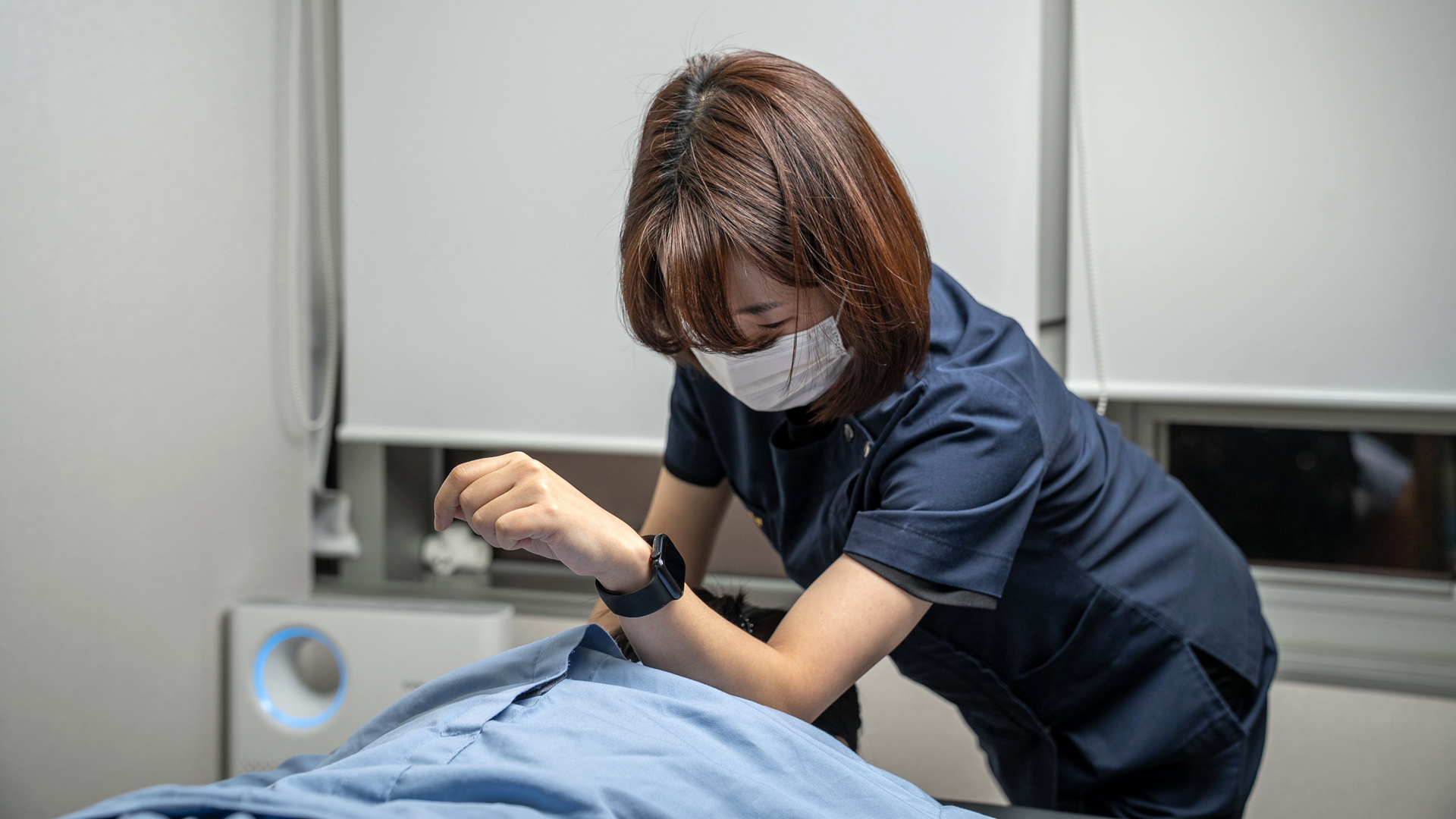
A manual therapy consultation at Well Rehabilitation Clinic generally begins with a review of the patient's symptoms, medical history, functional limitations, previous treatment, and any relevant imaging or surgical records. Treatment itself typically begins with an assessment of the painful or restricted area, followed by hands-on techniques selected according to the patient's condition and rehabilitation goals. Because manual therapy is a non-invasive, hands-on treatment, it is generally performed without anesthesia; patients may feel pressure, stretching, or mild temporary discomfort as stiff joints and tight muscles are treated, and technique intensity is adjusted according to the patient's tolerance and clinical needs throughout the session. Recovery after manual therapy usually does not involve downtime, and most patients can continue their daily activities as tolerated immediately afterward. Mild soreness or temporary fatigue can occur after a session, and returning to exercise or heavier activity should follow the clinician's guidance and the patient's individual condition. Aftercare commonly includes following activity guidance, home exercises, stretching, or posture advice provided by the clinician, along with monitoring how symptoms respond and returning for reassessment if recommended or if the patient's condition changes.
Stage | What Happens | Typical Timing |
|---|---|---|
Consultation & Assessment | Review of symptoms, medical history, functional limitations, previous treatment, and imaging or surgical records | Initial visit |
Technique Selection | Assessment of the painful or restricted area; hands-on techniques chosen for the patient's condition and goals | Same visit |
Treatment Session | Hands-on manual therapy delivered in a 30- or 50-minute session, intensity adjusted to tolerance | Per scheduled session |
Aftercare Guidance | Activity guidance, home exercises, stretching, or posture advice provided | End of each session |
Reassessment | Progress reviewed against pain, mobility, range of motion, and function; plan adjusted if needed | Ongoing through the program |
Results from manual therapy may appear gradually or after the first few sessions, and are assessed through changes in pain, mobility, range of motion, function, and daily activities; some patients notice improvement early, while others require several weeks of consistent sessions. How long the benefits last varies by the underlying condition, symptom duration, activity level, treatment frequency, and how closely the patient follows the recommended home-care plan, so Dr. Kim provides individual guidance on realistic timing rather than a single fixed schedule for every patient. Because manual therapy does not involve a surgical recovery period, many international patients can plan return travel once their treatment program is complete and they feel well, with exact timing confirmed with the clinical team before booking flights. Most patients evaluating this service from the USA plan to stay in Seoul for roughly 7 to 14 days to allow time for consultation, treatment sessions, and a follow-up assessment, though the exact schedule depends on the individual condition and is confirmed after the initial visit.
Combining Manual Therapy with Other Treatments
Extracorporeal Shock Wave Therapy (ESWT) — may be combined with manual therapy when clinically appropriate for musculoskeletal pain conditions.
PRP (Platelet-Rich Plasma) Therapy — may be added to a rehabilitation plan for joint, tendon, or soft-tissue conditions when the clinician determines it is suitable.
Postural & Body Alignment Correction — may be combined with manual therapy for patients with posture-related discomfort or movement imbalance alongside spine or joint pain.
Postoperative Rehabilitation — a related but separate service for patients recovering from musculoskeletal surgery; some patients may transition between the two depending on their stage of recovery.
The choice, sequence, and timing of any combined treatment is determined individually by Dr. Kim according to the patient's diagnosis, symptoms, and rehabilitation goals, rather than bundled automatically into every manual therapy plan.
Safety, Precision, and Clinic Standards
Well Rehabilitation Clinic is a Registered Medical Institution for Attracting Foreign Patients, certified by South Korea's Ministry of Health and Welfare under the Medical Overseas Expansion and Foreign Patients Attraction Act — the same national registration system that Korea's Medical Korea program describes as requiring mandatory registration and medical-malpractice liability coverage for institutions treating international patients (Medical Korea, Korea Health Industry Development Institute). Dr. Kim DaeHwan is a Rehabilitation Medicine specialist in South Korea and a full member of the Korean Academy of Rehabilitation Medicine, a professional society aligned with international physical medicine and rehabilitation bodies such as the American Academy of Physical Medicine and Rehabilitation, which represents physicians who treat musculoskeletal injury and illness non-surgically to reduce pain and restore function (AAPM&R). Well Rehabilitation Clinic states that it emphasizes accurate examination and diagnosis before selecting a musculoskeletal treatment, followed by a plan tailored to the patient's physical condition, symptoms, and recovery goals rather than a one-size-fits-all protocol, and this evaluation-first approach is consistent with how manual and manipulative therapies are generally recommended in clinical practice. The U.S. National Center for Complementary and Integrative Health, part of the National Institutes of Health, reports that hands-on spinal treatments — including mobilization delivered within a joint's natural range of motion, the category manual therapy at this clinic falls under — are associated with modest, measurable improvements in pain and function for both low-back and neck pain, based on its review of multiple systematic reviews and clinical trials (NCCIH: Spinal Manipulation — What You Need To Know). The same NCCIH review found that transient mild-to-moderate side effects, most commonly increased soreness, stiffness, or temporary discomfort, can occur after hands-on spinal treatment and typically resolve within 24 hours, which is consistent with Well Rehabilitation Clinic's own description of manual therapy recovery as usually involving mild, short-lived soreness rather than meaningful downtime. NCCIH's separate fact sheet on low-back pain likewise notes that hands-on approaches are one of several non-drug options that may modestly improve pain and function, reinforcing why an individualized evaluation — not a single default technique — is central to how this service is planned (NCCIH: Low-Back Pain and Complementary Health Approaches). Patients preparing for a manual therapy consultation are asked to provide an accurate medical history, a current medication list, details of previous treatments, and any relevant imaging or surgical records so that Dr. Kim can build the plan on complete information from the first visit. The clinic operates under South Korean business registration 740-92-01117, and, in line with national guidance on medical marketing in Korea, this page avoids guaranteed-outcome claims and presents manual therapy benefits as individualized rather than universal to every patient.
The Bottom Line
Manual Therapy for Spine, Joints & Muscles at Well Rehabilitation Clinic is a non-surgical, hands-on treatment for musculoskeletal pain, stiffness, and movement limitations.
Sessions are offered in 30-minute and 50-minute formats, with the length, frequency, and total number of sessions confirmed individually after assessment.
Dr. Kim DaeHwan, Director and Rehabilitation Medicine specialist, personally evaluates patients and selects techniques according to their specific condition and goals.
Recovery generally involves no real downtime, though mild, short-lived soreness can occur after a session.
Manual therapy can be combined with other musculoskeletal treatments, such as ESWT, PRP, or postural correction, when clinically appropriate.
Frequently Asked Questions
Am I a good candidate for manual therapy at Well Rehabilitation Clinic? Patients with musculoskeletal pain, stiffness, reduced range of motion, or movement-related limitations involving the spine or joints are typically good candidates. A clinical consultation with Dr. Kim DaeHwan is needed to confirm suitability for your specific condition, since some symptoms may point to an underlying issue that needs further evaluation first.
Will manual therapy hurt? Manual therapy should not be painful. Most patients feel gentle pressure, stretching, or mild, temporary discomfort as stiff joints and tight muscles are worked on, and the clinician adjusts each technique to stay within your comfort level throughout the session.
How long is a manual therapy session, and how many will I need? Well Rehabilitation Clinic offers manual therapy in 30-minute and 50-minute session formats. The number of sessions recommended, and how they are spaced out, depends on your specific condition and is confirmed after your initial assessment rather than set in advance.
Is there any downtime after treatment? Manual therapy generally does not require downtime, and most patients continue their normal daily activities right after a session. Some mild soreness or temporary fatigue can occur, but this typically settles within a day or two.
When will I notice results, and how long do they last? Some patients notice improvement after their first few sessions, while others need several weeks of consistent treatment before seeing meaningful change. How long the benefit lasts depends on your underlying condition, how long you've had symptoms, your activity level, and how closely you follow the clinician's home-care guidance.
How many days should I plan to stay in Seoul for manual therapy? Most international patients plan for roughly 7 to 14 days in Seoul to allow time for the initial consultation, treatment sessions, and a follow-up reassessment. Your exact schedule will be confirmed with the clinic once your assessment is complete.
Can manual therapy be combined with other treatments at the clinic? Yes. Manual therapy may be combined with other musculoskeletal treatments offered at Well Rehabilitation Clinic, such as ESWT or PRP therapy, when the clinician determines it is clinically appropriate. The specific combination, sequence, and timing are decided individually based on your diagnosis and goals.
Is English-language support available for international patients? Yes, English-speaking consultation and support are available at Well Rehabilitation Clinic, and an online consultation can be arranged before you travel to Seoul so you can discuss your symptoms and treatment goals in advance.
Book a Consultation at Well Rehabilitation Clinic
To schedule a Manual Therapy for Spine, Joints & Muscles consultation with Dr. Kim DaeHwan in Gangnam, Seoul, contact Well Rehabilitation Clinic through the clinic's Book a Consultation or by phone at +82-2-6203-1630. The clinic is located on the 5th floor of KB Woojun Tower, 447 Teheran-ro, Gangnam-gu, Seoul. It is open Monday, Tuesday, Thursday, and Friday from 9:00 a.m. to 7:00 p.m. Korea Standard Time, with a lunch break from 1:30 p.m. to 2:30 p.m. On Wednesdays, the clinic is open from 9:00 a.m. to 1:00 p.m. The clinic is closed on weekends and public holidays. International patients can request an online consultation before traveling to discuss their symptoms, prior treatment, and what to expect from a manual therapy session, and can patient Review in advance. Bring an accurate medical history, a current medication list, details of previous treatments, and any relevant imaging or surgical records to your first visit so Dr. Kim can begin assessing your condition and building your treatment plan without delay.
Disclaimer
This content is provided for general informational purposes only and is not medical advice. Treatment eligibility is determined only after an individual consultation and clinical evaluation by a qualified physician at Well Rehabilitation Clinic. Treatment outcomes vary between patients.
Sources & Further Reading
Spinal Manipulation: What You Need To Know — National Center for Complementary and Integrative Health, National Institutes of Health
Low-Back Pain and Complementary Health Approaches: What You Need To Know — National Center for Complementary and Integrative Health, National Institutes of Health
American Academy of Physical Medicine and Rehabilitation (AAPM&R) — U.S. national medical specialty society for physiatry
Medical Korea — Registration System for Medical Institutions — Korea Health Industry Development Institute (KHIDI), Ministry of Health and Welfare
Other Services
Explore additional rehabilitation and pain care options.

Skin Brightening IV Therapy
Skin Brightening IV Therapy is an intravenous wellness treatment intended to support skin-related wellness goals through IV administration of a glutathione- and thioctic-acid-based solution.
Learn More
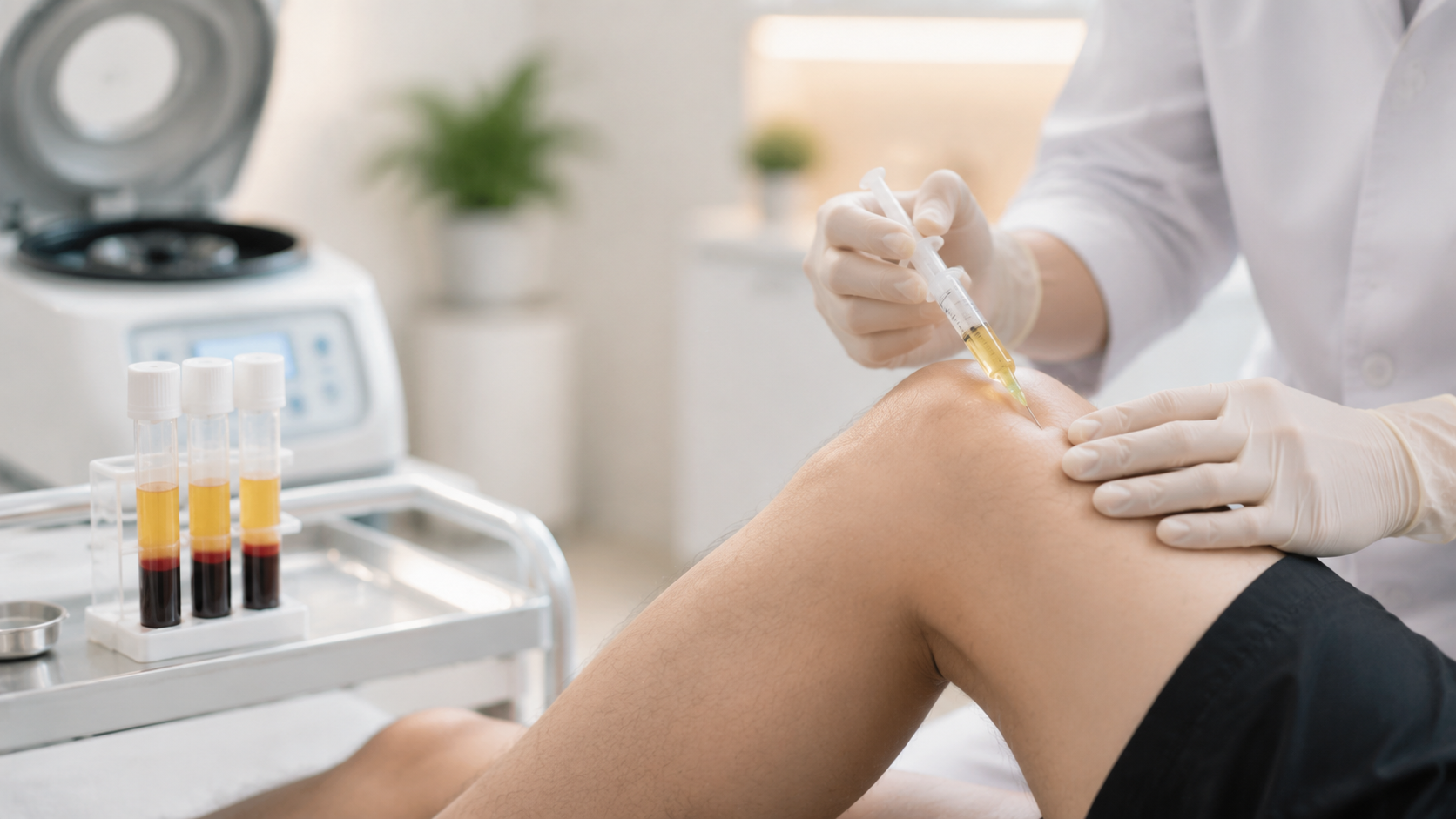
PRP (Platelet-Rich Plasma) Therapy
PRP (Platelet-Rich Plasma) Therapy is a treatment that concentrates platelets from a patient's own blood into an injectable preparation, which is then applied to a joint, tendon, or soft-tissue area as part of musculoskeletal care.
Learn More
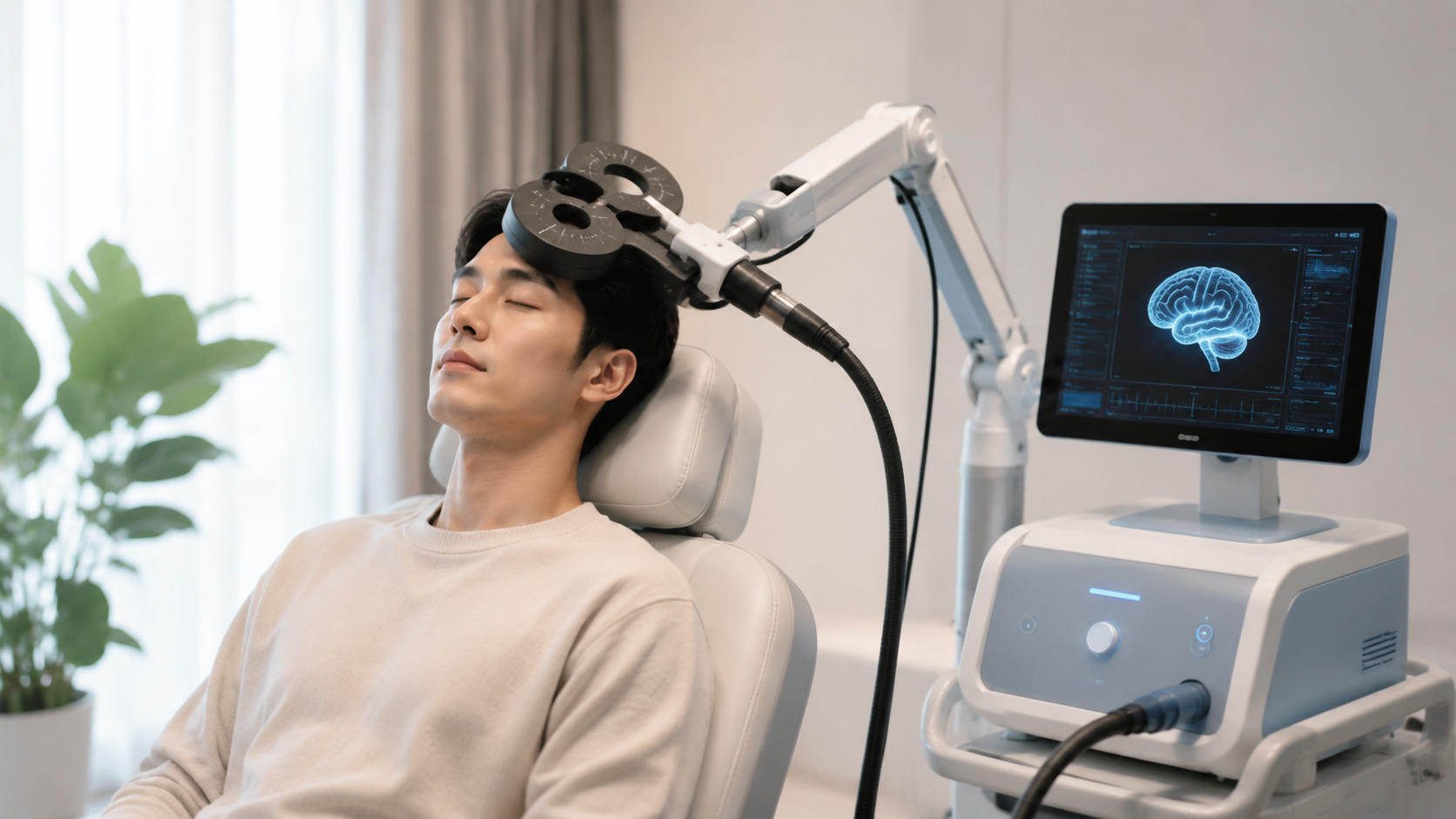
Transcranial Magnetic Stimulation (TMS)
TMS is a non-invasive treatment method that uses magnetic pulses, rather than electricity applied directly to the scalp or surgery, to stimulate specific regions of the brain.
Learn More