Personalized Medical Care & Dedicated International Patient Concierge

Musculoskeletal Pain Management · Needs Clinic Confirmation
Extracorporeal Shock Wave Therapy (ESWT)
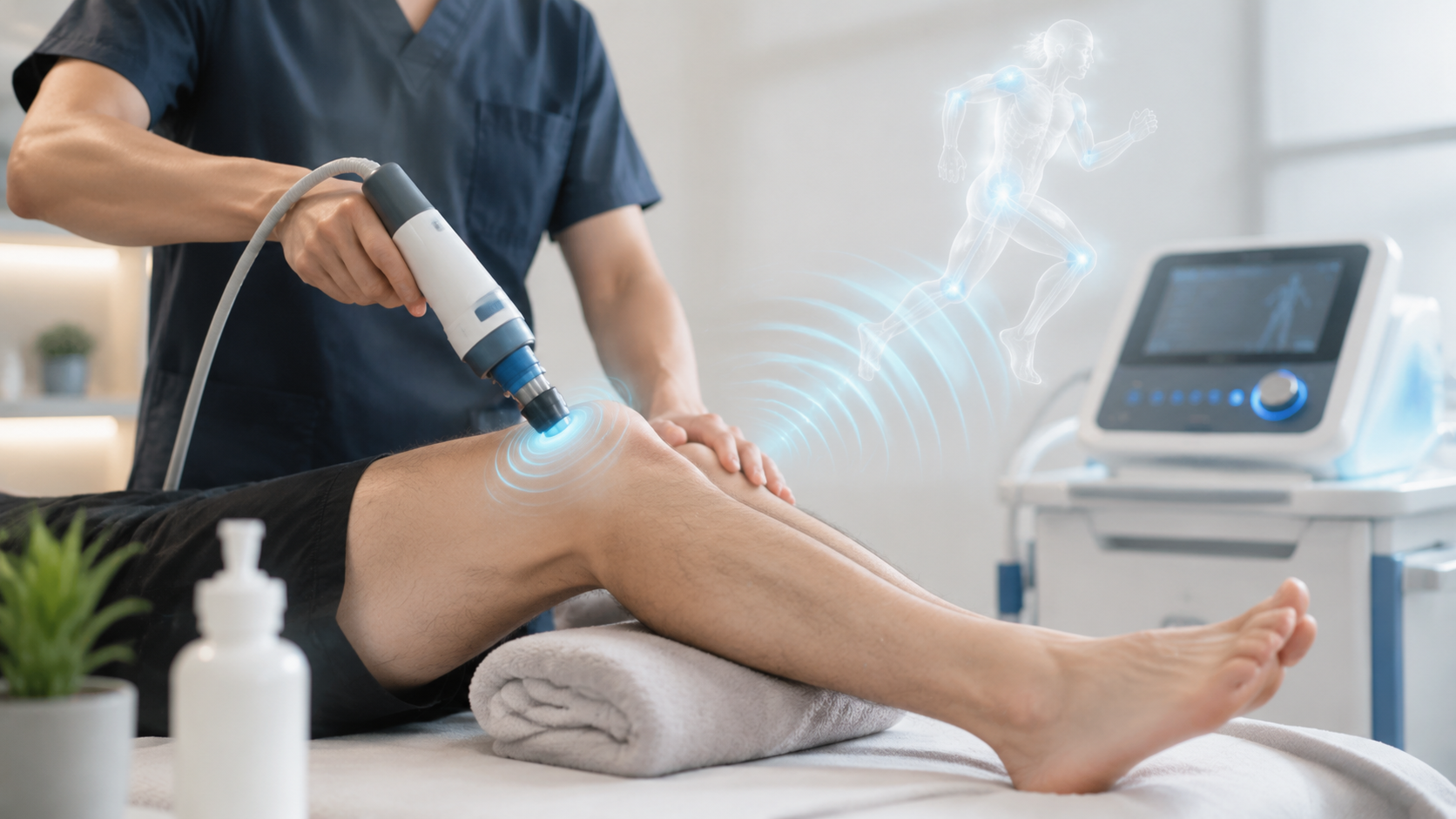
Extracorporeal Shock Wave Therapy is a treatment that applies externally generated acoustic (sound) wave energy to a painful or injured area of the musculoskeletal system without needles, incisions, or surgery.
Schedule a ConsultationExtracorporeal Shock Wave Therapy (ESWT) in Seoul: Focused & Radial Treatment at Well Rehabilitation Clinic
Medically reviewed by Dr. Kim DaeHwan, Director, Rehabilitation Medicine Specialist, Hallym University College of Medicine
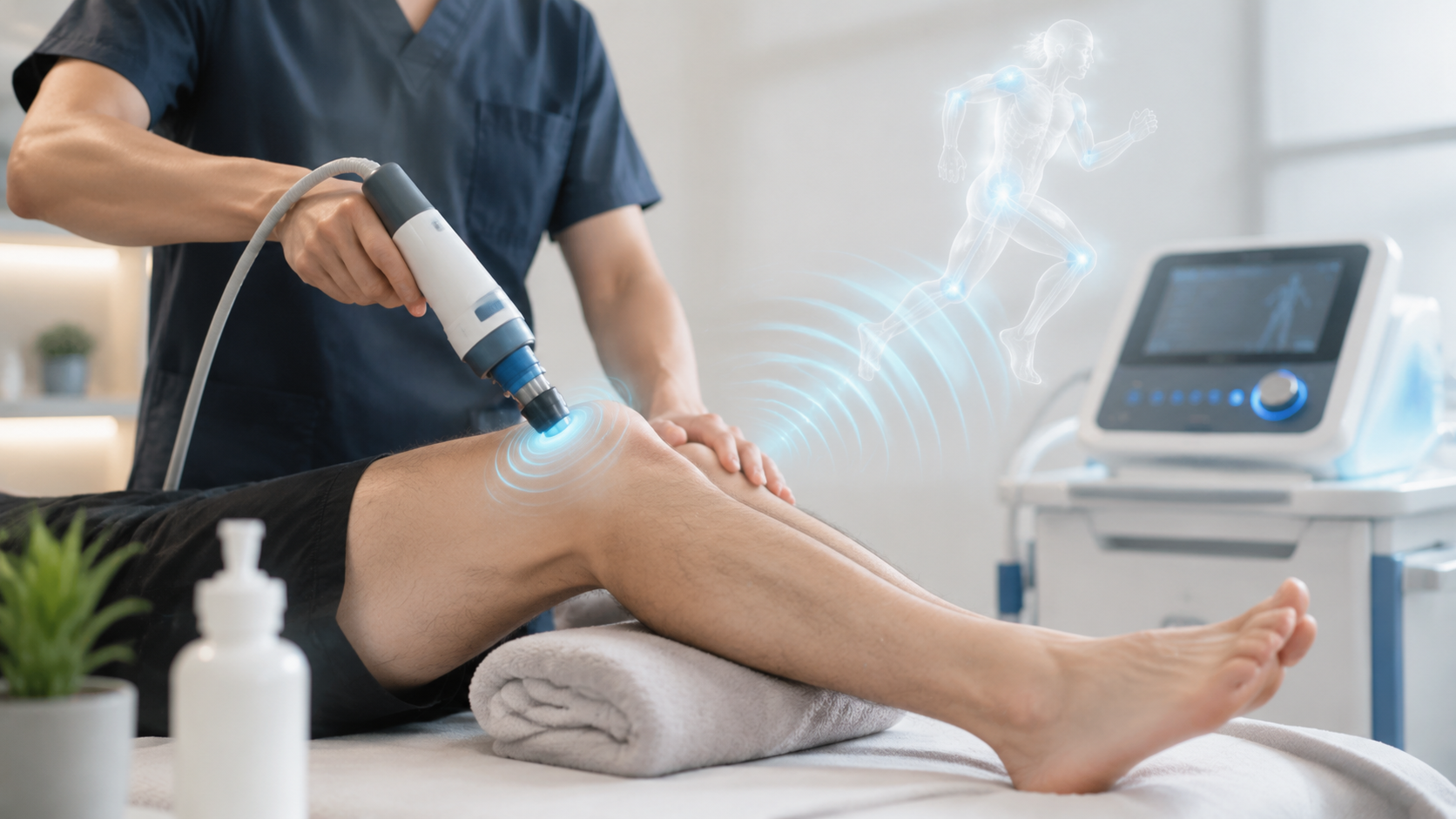
Extracorporeal Shock Wave Therapy (ESWT) is a non-invasive treatment that delivers focused or radial sound-wave energy to targeted tissues, and it is commonly used for certain chronic musculoskeletal and tendon-related conditions. At Well Rehabilitation Clinic in Gangnam, Seoul, ESWT is one of the clinic's leading non-surgical options for patients whose musculoskeletal pain affects daily activities, movement, exercise, or overall quality of life.
What Is Extracorporeal Shock Wave Therapy (ESWT)?
Extracorporeal Shock Wave Therapy is a treatment that applies externally generated acoustic (sound) wave energy to a painful or injured area of the musculoskeletal system without needles, incisions, or surgery.
Delivered through the skin from an external device; no incision, injection, or implant is involved.
Available in two configurations at Well Rehabilitation Clinic — focused and radial — each generated using STORZ ESWT equipment.
Generally does not require anesthesia, since it is a non-surgical treatment; treatment intensity can be adjusted according to patient tolerance and clinical judgment.
A single session commonly takes around 10–30 minutes, although treatment time varies by condition and protocol, and several sessions may be needed rather than a single visit.
Positioned within the clinic's broader Musculoskeletal Pain Management approach, alongside manual therapy and other rehabilitation-based care.
Independent clinical literature on shockwave devices distinguishes the two energy types by how they are generated: focused shockwave systems concentrate high-pressure acoustic energy at a defined focal point within the tissue, while radial pressure-wave systems disperse comparatively lower-pressure energy outward from the applicator, reaching maximum intensity closer to the skin surface. A narrative review of ESWT for musculoskeletal pain has also reported that, across prior studies of tendinopathy specifically, ESWT performed comparably to or better than alternatives such as eccentric strengthening exercise, traditional physiotherapy, corticosteroid injections, and platelet-rich plasma injections (see Sources & Further Reading). These findings describe the published evidence base for ESWT generally; they are not a claim about outcomes at Well Rehabilitation Clinic specifically, and individual results still depend on diagnosis, condition severity, and treatment response.
Who Performs ESWT at Well Rehabilitation Clinic

Dr. Kim DaeHwan
Rehabilitation Medicine Specialist
ESWT at Well Rehabilitation Clinic is led by Dr. Kim DaeHwan, the clinic's Director and a specialist in Rehabilitation Medicine. Dr. Kim graduated from Hallym University College of Medicine, completed clinical training at Hallym University Kangdong Sacred Heart Hospital, and completed residency training in Rehabilitation Medicine at Bundang Jesaeng Hospital. His documented clinical focus areas include musculoskeletal pain management, spine and joint rehabilitation, and Extracorporeal Shock Wave Therapy specifically, alongside manual therapy and PRP-based regenerative treatment. He also holds current and former university teaching roles — current Adjunct/Outpatient Professor at Catholic Kwandong University College of Medicine and former Adjunct/Outpatient Professor at Kyung Hee University College of Medicine — and is a Full Member of the Korean Academy of Rehabilitation Medicine, the Korean Association of Clinical Pain, and the Korean Society of Electromyography and Electrodiagnostic Medicine.
A notable differentiator at this clinic is that Dr. Kim personally performs ESWT rather than routinely delegating it. This direct physician involvement allows the treatment area to be reassessed and adjusted mid-course if the actual pain-generating area differs from the initial clinical assessment — an approach the clinic frames as part of its broader emphasis on individualized treatment based on accurate examination and diagnosis, tailored to each patient's physical condition.
Focused vs. Radial ESWT: Options Available at This Clinic
Well Rehabilitation Clinic provides both focused and radial ESWT using STORZ ESWT equipment, and treatment selection is individualized rather than applied by body location alone. Focused and radial shockwaves are two distinct forms of acoustic energy delivery, each suited to different treatment goals:
Feature | Focused ESWT | Radial ESWT |
|---|---|---|
Energy delivery | Concentrates acoustic energy at a specific focal point inside the tissue | Disperses energy outward from the applicator across a broader surface area |
Typical use pattern | Deeper or more precisely localized target areas | Broader, more superficial treatment areas |
Equipment used at this clinic | STORZ focused ESWT | STORZ radial ESWT |
Clinical selection basis | Chosen according to the patient's diagnosis, the depth and location of the painful structure, and the clinician's assessment | Chosen according to the patient's diagnosis, the depth and location of the painful structure, and the clinician's assessment |
Independent clinical literature describes focused shockwave devices as concentrating acoustic energy at a defined focal point in tissue, while radial pressure-wave devices generate a more dispersed, superficial energy pattern — a distinction consistent with how both modalities are offered at Well Rehabilitation Clinic (see Sources & Further Reading). The clinic does not publish a fixed rule for which modality is used for which condition; instead, the choice is made individually after clinical evaluation. Exact device settings, patient positioning, and session sequencing are determined case-by-case and require clinic confirmation for any specific patient scenario.
Who Is a Good Candidate for ESWT?
Patients with chronic musculoskeletal pain conditions who are considered suitable after a clinical evaluation at the clinic.
Patients whose daily activities, movement, exercise capacity, or overall quality of life are affected by ongoing musculoskeletal pain.
Patients who prefer to explore a non-surgical treatment approach when clinically appropriate, before considering more invasive options.
Patients able to attend the clinic for an initial evaluation and, typically, more than one treatment session.
ESWT may not be suitable for every patient, including those with conditions that require different medical management or further evaluation. Patients whose pain follows significant trauma, or who have symptoms suggesting a more serious underlying condition, may require additional medical evaluation before treatment is considered, and treatment should be postponed or modified when a clinician determines that another diagnostic or medical approach should come first.
What to Expect: Procedure, Recovery, and Results Timeline
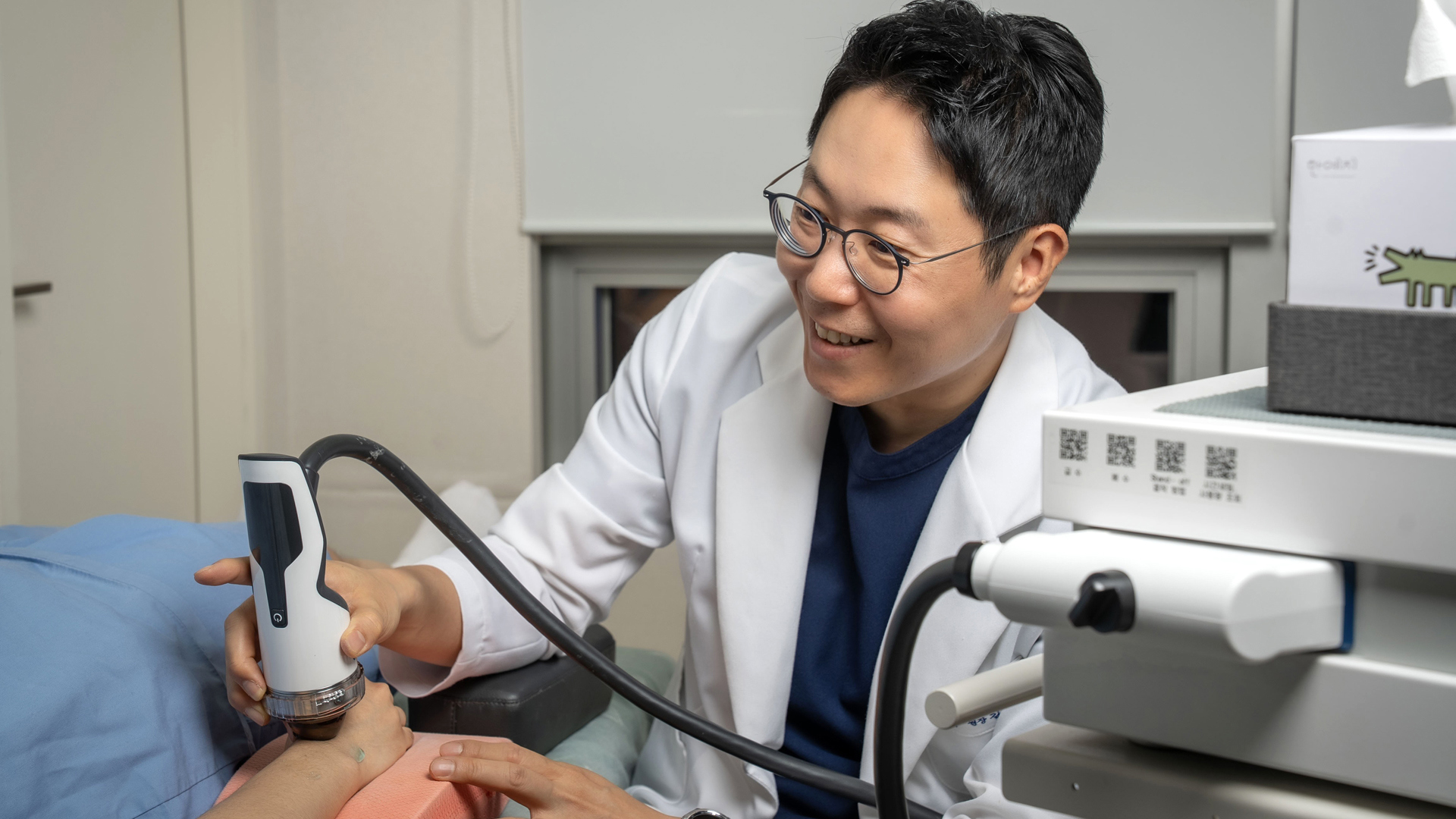
Care at Well Rehabilitation Clinic begins with a clinical assessment to confirm the diagnosis and determine whether ESWT is an appropriate treatment for the specific pain presentation. The clinic's consultation and diagnosis process emphasizes accurate examination before treatment selection, with pain location, physical condition, and prior response to treatment all considered in planning care.
Stage | What Happens |
|---|---|
Consultation & assessment | Clinical evaluation of the painful area, medical history, medication list, prior treatments, and any relevant imaging or diagnostic records the patient can provide. |
Treatment session | High-energy acoustic waves are delivered externally to the symptomatic area using focused or radial STORZ equipment; a session commonly takes around 10–30 minutes. |
During treatment | Anesthesia is generally not required, since ESWT is non-surgical; treatment intensity is adjusted according to the patient's tolerance and the clinician's judgment. |
Immediately after | Many patients can resume normal daily activities after ESWT, depending on the condition treated and their individual response; the clinician may provide personalized guidance on exercise and physical activity. |
Follow-up | Follow-up assessment may be used to evaluate symptom changes and determine whether additional treatment sessions are appropriate; several sessions are often required rather than a single visit. |
Results and recovery are individualized: changes in pain and function may occur gradually rather than immediately, depending on the condition and each patient's treatment response. The clinic has not published a fixed results timeline or longevity figure for ESWT specifically, so patients should discuss expected pacing directly with the clinical team during consultation.
Before your visit, patients should be prepared to share: - Current symptoms and how they affect daily activity. - Full medical history and active medications. - Details of any prior treatments already tried. - Relevant imaging or diagnostic records, if available. - A description of what activities worsen or relieve the pain, to help the clinician evaluate the condition accurately.
Combining ESWT with Other Treatments
ESWT may be combined with other rehabilitation treatments when clinically appropriate, including manual therapy or other musculoskeletal care offered at the clinic. The combination and timing of treatments is determined according to the individual patient's condition and treatment goals, not applied as a fixed package. Where clinically appropriate, the clinic's broader Musculoskeletal Pain Management pathway may also incorporate regenerative options such as PRP alongside ESWT — the specific sequence and combination should be discussed during consultation with Dr. Kim.
This individualized approach reflects the clinic's stated philosophy for musculoskeletal pain more broadly: rather than applying a standard protocol by diagnosis label alone, the clinical team selects and sequences treatment based on accurate examination and each patient's physical condition. A patient being treated for a tendon-related condition, for example, may receive ESWT alone across several sessions, or ESWT alongside manual therapy if the assessment identifies a related mechanical or muscular contributor to the pain. The decision is reassessed as treatment progresses, based on the patient's response at follow-up.
Safety, Precision, and Clinic Standards
ESWT at Well Rehabilitation Clinic is delivered using STORZ ESWT equipment in focused and radial configurations, selected individually per patient rather than by body location alone.
Well Rehabilitation Clinic is a Registered Medical Institution for Attracting Foreign Patients, certified by South Korea's Ministry of Health and Welfare in compliance with the Medical Overseas Expansion and Foreign Patients Attraction Act.
Treatment planning at the clinic begins with a thorough examination and accurate diagnosis before any musculoskeletal treatment, including ESWT, is selected.
ESWT is a non-surgical treatment that generally does not require anesthesia, and treatment intensity is calibrated to individual patient tolerance under the clinician's direct judgment.
Independent guidance from the International Society for Medical Shockwave Treatment (ISMST) recommends that shockwave therapy be performed by trained, certified, and licensed professionals — consistent with the clinic's model of physician-led ESWT delivery (see Sources & Further Reading).
Published U.S. FDA review data for an extracorporeal shock wave device cleared for chronic tendon-related pain describe the most commonly reported procedure-related effects as localized swelling, bruising, or petechiae at the treatment site, with no unanticipated or serious adverse events recorded in that clinical study; this describes device-class literature evidence generally, not a claim specific to the STORZ equipment used at Well Rehabilitation Clinic (see Sources & Further Reading).
A separate technology assessment of ESWT for musculoskeletal conditions similarly reports the treatment as generally well tolerated, with adverse effects, when they occur, typically limited and temporary rather than severe (see Sources & Further Reading).
Specific infection-control procedures, device-level quality-control processes, and detailed risk/complication data for this clinic's own ESWT service require further clinic confirmation and are not published in the available clinic materials; patients should raise safety questions directly during consultation.
The Bottom Line
ESWT at Well Rehabilitation Clinic is a non-invasive, non-surgical treatment for chronic musculoskeletal and tendon-related pain, delivered via STORZ focused or radial equipment.
Both focused and radial ESWT are available, with the choice individualized to each patient's diagnosis rather than fixed by body area.
Dr. Kim DaeHwan, the clinic's Rehabilitation Medicine specialist Director, personally performs ESWT and can reassess the treatment area mid-session if needed.
Sessions typically run 10–30 minutes, anesthesia is generally not required, and most patients can resume daily activities afterward, though several sessions are often needed.
Candidacy and expected outcomes are determined individually through clinical evaluation — ESWT is not positioned as a universal or guaranteed solution for every patient.
Frequently Asked Questions
Is ESWT painful? ESWT is a non-surgical treatment that generally does not require anesthesia. Treatment intensity can be adjusted according to each patient's tolerance and the clinician's judgment, so the sensation experienced can vary by treatment area and individual sensitivity.
How long does an ESWT session take at Well Rehabilitation Clinic? A session commonly takes around 10–30 minutes, although the exact treatment time varies by condition and protocol. Most patients need more than one session rather than a single visit, with the total number determined after clinical evaluation.
What is the difference between focused and radial ESWT? Focused ESWT concentrates acoustic energy at a specific point within the tissue, while radial ESWT disperses energy outward from the applicator across a broader area near the skin surface. Well Rehabilitation Clinic offers both using STORZ equipment, and the clinical team selects the appropriate option based on each patient's diagnosis and the location of the painful structure.
Who actually performs the ESWT treatment? Dr. Kim DaeHwan, the clinic's Director and a Rehabilitation Medicine specialist, personally performs ESWT rather than routinely delegating it. This allows him to reassess and adjust the treatment area during the session if the actual pain-generating area differs from the initial assessment.
Can I return to normal activity right after ESWT? Many patients can resume normal daily activities after ESWT, depending on the condition treated and their individual response. The clinician may provide personalized guidance on activity, exercise, and any rehabilitation measures specific to your case.
Is ESWT suitable for everyone with musculoskeletal pain? No. ESWT may not be suitable for every patient, including those whose pain follows significant trauma or is accompanied by symptoms suggesting a more serious underlying condition. A clinical evaluation determines candidacy, and treatment may be postponed or redirected if another diagnostic or medical approach is needed first.
Can ESWT be combined with other treatments at this clinic? Yes, when clinically appropriate. ESWT may be combined with manual therapy or other musculoskeletal care, and in some cases with regenerative treatments such as PRP. The specific combination and sequencing depend on the individual patient's diagnosis and treatment goals.
Does Well Rehabilitation Clinic offer English-speaking support for ESWT consultations? Yes, English-speaking consultation and support are available for international patients considering ESWT at Well Rehabilitation Clinic.
Book a Consultation at Well Rehabilitation Clinic
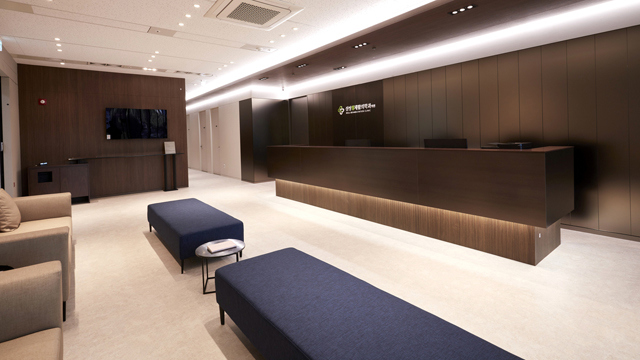
If chronic musculoskeletal pain is affecting your daily activities, movement, or exercise, focused or radial ESWT at Well Rehabilitation Clinic in Gangnam, Seoul may be worth discussing with Dr. Kim DaeHwan. Every treatment plan begins with an individual clinical evaluation to confirm whether ESWT — or another approach within the clinic's Musculoskeletal Pain Management services — is the right fit for your condition. To arrange a consultation, contact Well Rehabilitation Clinic directly through its Book a Consultation or learn more About Us clinic before your visit.
Disclaimer
This page is for general informational purposes only and does not constitute medical advice. It is not a substitute for a professional medical consultation, diagnosis, or treatment plan. Individual results, suitability, and treatment pathways vary and can only be determined through direct evaluation by a qualified clinician. No outcome is guaranteed. Always consult a licensed healthcare provider with any questions regarding a medical condition or treatment option.
Sources & Further Reading
FDA Summary of Safety and Effectiveness Data — HealthTronics OssaTron Extracorporeal Shock Wave System (P990086/S3) — U.S. Food and Drug Administration
ISMST Guidelines for Extracorporeal Shock Wave Therapy — International Society for Medical Shockwave Treatment
Extracorporeal Shock Wave Therapy for the Treatment of Musculoskeletal Pain: A Narrative Review — PubMed, National Library of Medicine
Comparison of the Efficacy of Radial and Focused Extracorporeal Shock-Wave Therapy (ESWT) in Myofascial Pain Syndrome: A Randomized, Sham-Controlled Study — PubMed, National Library of Medicine
Extracorporeal Shock Wave Therapy for Musculoskeletal Conditions — Health Technology Assessment — Washington State Health Care Authority
Other Services
Explore additional treatments offered by our specialists.

Chronic Fatigue IV Therapy
Chronic Fatigue IV Therapy is an intravenous therapy approach in which fluids and selected vitamins and minerals are administered through a vein, with the exact formulation determined according to an individual assessment of the patient's fatigue-related…
Learn More
Extracorporeal Shock Wave Therapy (ESWT)
Extracorporeal Shock Wave Therapy is a treatment that applies externally generated acoustic (sound) wave energy to a painful or injured area of the musculoskeletal system without needles, incisions, or surgery.
Learn More
Postoperative Rehabilitation
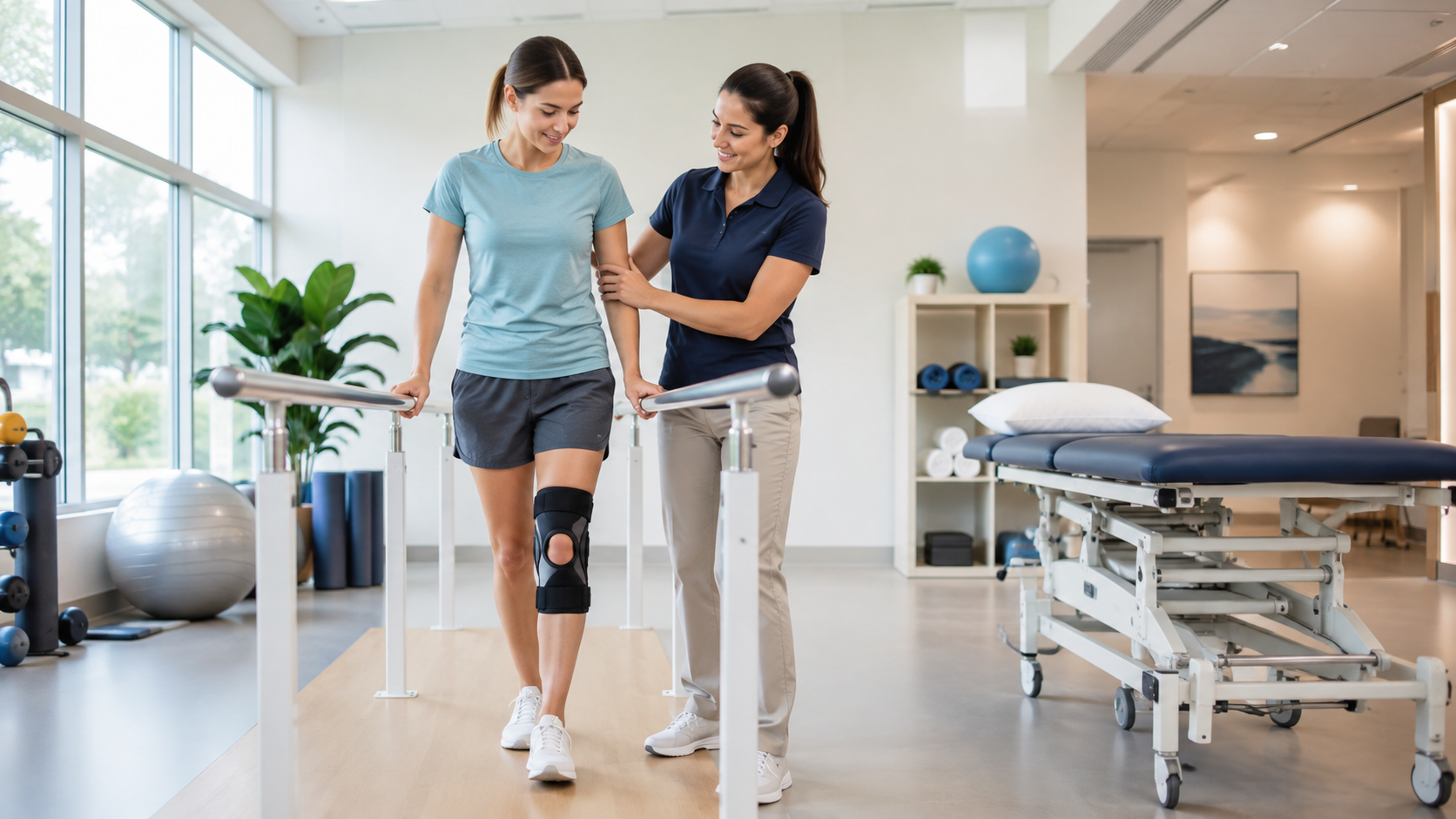
Postoperative rehabilitation is a structured recovery program designed to restore movement, strength, function, and daily activities after surgery, and it may include physical therapy, exercises, mobility training, and symptom management.
Learn More