Specialist Rehabilitation & Pain Care in Gangnam, Seoul · Dedicated International Concierge

Specialty Overview
Spine & Joint Rehabilitation | Well Rehabilitation Clinic
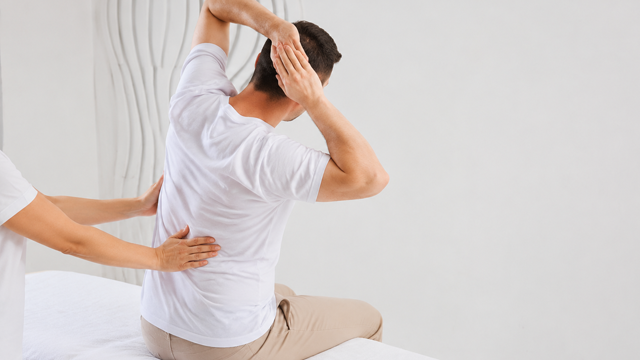
Spine & Joint Rehabilitation is a non-surgical medical approach that diagnoses and treats spine, joint, muscle and movement-related conditions using medication, physical rehabilitation, exercise therapy, injections and other conservative therapies rather than…
Schedule a ConsultationSpine & Joint Rehabilitation in Seoul
Medically reviewed by Dr. Kim DaeHwan, Director, Rehabilitation Medicine Specialist, Hallym University College of Medicine
Well Rehabilitation Clinic, Gangnam, Seoul
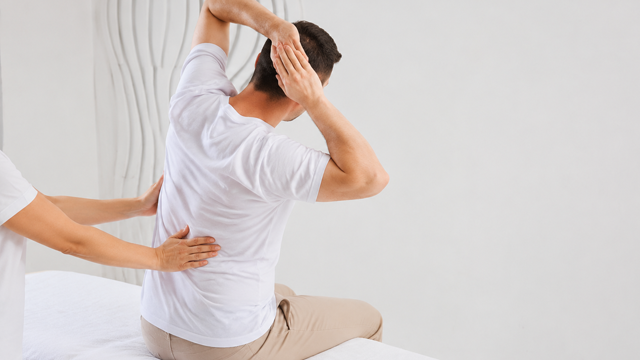
Spine & Joint Rehabilitation is a non-surgical medical approach focused on diagnosing and treating conditions affecting the spine, joints, muscles, and movement. At Well Rehabilitation Clinic, a rehabilitation medicine clinic in Seoul's Gangnam district, this specialty combines medication, physical rehabilitation, exercise therapy, injections, and other conservative therapies into an individualised plan built around each patient's symptoms, functional limitations, and recovery goals. Patients most often turn to spine and joint rehabilitation in Seoul when spine or joint pain, reduced mobility, or recovery needs after surgery begin to interfere with daily activities, and many are specifically looking for a rehabilitation-focused alternative to surgery. Within this specialty, Well Rehabilitation Clinic organises care into two core services — Manual Therapy for Spine & Joints and Postoperative Rehabilitation — each covered in more detail on its own page, alongside related musculoskeletal care such as extracorporeal shock wave therapy (ESWT) and PRP therapy. Care is led by Dr. Kim DaeHwan, Director of Well Rehabilitation Clinic and a specialist in Rehabilitation Medicine, whose clinical focus includes musculoskeletal pain management, spine and joint rehabilitation, and postoperative recovery. International patients evaluating this specialty from abroad commonly want to confirm the treating physician's specialist credentials, whether English-language communication is available, and how follow-up care is coordinated after they return home — questions this page addresses directly.
What Is Spine & Joint Rehabilitation?
Spine & Joint Rehabilitation is a non-surgical medical approach that diagnoses and treats spine, joint, muscle, and movement-related conditions using medication, physical rehabilitation, exercise therapy, injections, and other conservative therapies rather than a single fixed protocol.
Care may combine several conservative approaches — medication, physical rehabilitation, exercise therapy, and injections — selected according to the individual diagnosis rather than applied the same way to every patient.
The specialty covers two core services at this rehabilitation clinic in Seoul: Manual Therapy for Spine & Joints, a hands-on treatment for musculoskeletal pain and stiffness, and Postoperative Rehabilitation, a structured recovery programme after surgery.
A rehabilitation consultation reviews symptoms, medical history, functional limitations, prior treatment, and relevant imaging or surgical records before an individualised plan is recommended.
Most non-invasive rehabilitation treatments, including manual therapy, do not typically require anaesthesia; a separate injection-based or invasive treatment would be discussed on its own terms, and duration or the number of visits needed depends on the patient's condition and which service is selected, not a standard package applied to every case.
Well Rehabilitation Clinic is a Registered Medical Institution for Attracting Foreign Patients under South Korea's Ministry of Health and Welfare, a registration status relevant to international patients evaluating this specialty.
Who Performs Spine & Joint Rehabilitation at Well Rehabilitation Clinic
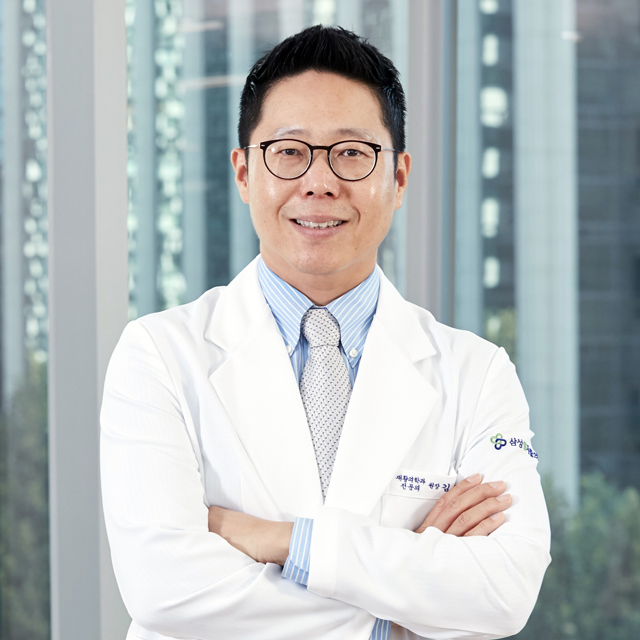
Dr. Kim DaeHwan
Rehabilitation Medicine Specialist
Dr. Kim DaeHwan is the Director of Well Rehabilitation Clinic and a Rehabilitation Medicine specialist in South Korea. He graduated from Hallym University College of Medicine and completed clinical training at Hallym University Kangdong Sacred Heart Hospital, followed by residency training in Rehabilitation Medicine at Bundang Jesaeng Hospital. His career history also includes serving as Head of the Department of Rehabilitation Medicine at Gyeongbuk Provincial Geriatric Hospital during his public-health service, and as Director and Rehabilitation Centre Head at Best Convalescent Hospital — both roles centred on musculoskeletal and functional recovery care. Dr. Kim's documented core specialisations for this specialty include musculoskeletal pain management, spine and joint rehabilitation, postoperative rehabilitation, and manual therapy, alongside related musculoskeletal treatments such as extracorporeal shock wave therapy (ESWT) and PRP that Well Rehabilitation Clinic may combine with a rehabilitation plan when clinically appropriate. He is a full member of the Korean Academy of Rehabilitation Medicine, the Korean Association of Clinical Pain, and the Korean Society of Electromyography and Electrodiagnostic Medicine, and he holds certification as a TPI (Titleist Performance Institute) Certified Professional, a credential tied to movement and biomechanical assessment that is directly relevant to spine and joint rehabilitation. Dr. Kim has also held university teaching roles, previously as an Adjunct/Outpatient Professor at Kyung Hee University College of Medicine and currently at Catholic Kwandong University College of Medicine, alongside resident and fellow mentoring, workshops, and lectures. Press-based reporting on his clinical philosophy describes an emphasis on early management of musculoskeletal pain, individualised treatment based on accurate examination and diagnosis, and specialist-delivered care tailored to each patient's physical condition — the same approach that shapes how Manual Therapy and Postoperative Rehabilitation are planned at this Gangnam rehabilitation clinic. As the clinic's Rehabilitation Medicine specialist and director, Dr. Kim is directly involved in the evaluation and treatment planning for Spine & Joint Rehabilitation patients rather than delegating assessment to non-specialist staff. Well Rehabilitation Clinic itself has focused on musculoskeletal pain treatment and postoperative rehabilitation since it opened in Gangnam in 2019, and Dr. Kim's rehabilitation-medicine training underpins that focus at every stage of care, from the initial evaluation through discharge planning.
Spine & Joint Rehabilitation Options Available
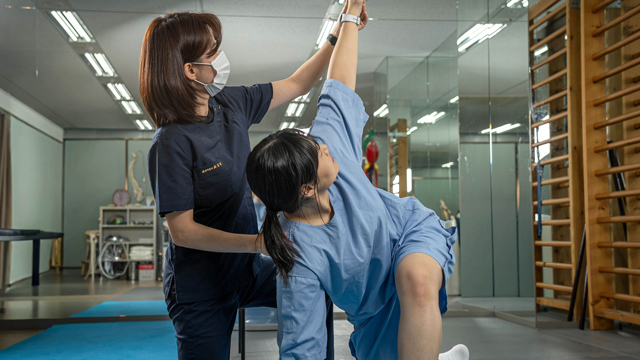
Well Rehabilitation Clinic structures Spine & Joint Rehabilitation around two core services, each suited to a different starting point — ongoing musculoskeletal pain versus recovery after surgery. The table below summarises how they differ; each is covered in more depth on its own page.
Service | What It Is | Who It Typically Helps | General Approach |
|---|---|---|---|
A non-surgical treatment delivered through clinician-guided, hands-on techniques | Patients with musculoskeletal pain, stiffness, or reduced range of motion in the spine or joints | Assessment of the painful or restricted area, followed by hands-on techniques selected according to the patient's condition and goals | |
A structured recovery programme designed to restore movement, strength, and function after surgery | Patients who need structured support to regain mobility after musculoskeletal surgery | Assessment of current function and postoperative precautions, followed by guided mobility, therapeutic exercise, and progressive recovery |
Both services can be combined with other musculoskeletal care offered at the clinic, including ESWT and PRP therapy, when clinically appropriate. The choice between manual therapy, postoperative rehabilitation, or a combination of approaches — as well as the sequence and timing of any combined care — is determined individually after consultation, based on the patient's diagnosis, symptoms, and rehabilitation goals rather than a fixed package. Well Rehabilitation Clinic states that it supports treatment quality and safety through careful examination and diagnosis before any musculoskeletal treatment begins, followed by an individualised plan based on each patient's physical condition, rather than assigning the same service to every patient by default.
Who Is a Good Candidate for Spine & Joint Rehabilitation?
Patients with musculoskeletal pain, stiffness, movement limitations, or functional problems involving the spine or joints.
Patients whose spine or joint pain, reduced mobility, or postoperative recovery needs are affecting daily activities.
Patients who prefer a non-surgical, rehabilitation-focused approach that emphasises function, movement, and an individualised treatment plan.
Patients who require structured rehabilitation support after musculoskeletal surgery.
Patients who may not be suitable candidates include those who need additional evaluation or a different care pathway — particularly when symptoms suggest an acute or serious underlying condition that requires further medical assessment before rehabilitation begins.
Suitability for a specific service — Manual Therapy, Postoperative Rehabilitation, or a combination — is confirmed during an individual consultation with Dr. Kim DaeHwan, based on the patient's symptoms, medical history, functional limitations, prior treatment, and any relevant imaging or surgical records, rather than decided before an in-person evaluation.
What to Expect: Procedure, Recovery, and Results Timeline
A rehabilitation consultation at this Seoul clinic generally begins with a review of the patient's symptoms, medical history, functional limitations, prior treatment, and relevant imaging or surgical records. Based on this assessment, Dr. Kim selects an appropriate rehabilitation plan, which may include Manual Therapy, Postoperative Rehabilitation, or another musculoskeletal treatment, and progress is reassessed over time so the plan can be adjusted as needed. Most non-invasive rehabilitation treatments, including manual therapy and therapeutic rehabilitation, do not typically require anaesthesia; if a separate injection-based or invasive treatment is being considered, its own pain-control approach is discussed specifically. Conservative rehabilitation is generally low risk, although temporary soreness, discomfort, or symptom flare-ups can occur, and injection-based treatments carry their own procedure-specific risks such as bleeding, infection, or nerve irritation. Aftercare commonly includes following the clinician's activity guidance, rehabilitation exercises, or home-management instructions, along with attending reassessment visits when recommended. For patients pursuing Postoperative Rehabilitation specifically, the consultation also reviews the type of surgery performed, current functional status, and any precautions or instructions from the operating surgeon, since rehabilitation timing and intensity must respect the surgical recovery stage rather than follow a generic exercise schedule — an approach consistent with general guidance on structured recovery after major surgery from the U.S. National Library of Medicine (MedlinePlus: Surgery and Rehabilitation).
Stage | What Happens | Typical Timing |
|---|---|---|
Consultation & Assessment | Review of symptoms, medical history, functional limitations, prior treatment, and imaging or surgical records | Initial visit |
Individualised Plan | Dr. Kim selects Manual Therapy, Postoperative Rehabilitation, or another appropriate approach | Same visit or shortly after assessment |
Treatment | Hands-on techniques, guided mobility, or therapeutic exercise as clinically appropriate | Varies by service and condition |
Reassessment | Progress is reviewed and the plan adjusted as needed | Ongoing through the programme |
Recovery | Mild soreness or temporary fatigue may occur; most patients continue daily activities as tolerated | Days to weeks, depending on diagnosis |
Results and their longevity vary by diagnosis, severity, the treatment plan followed, and the patient's ongoing rehabilitation and activity habits, so Dr. Kim provides individual guidance on realistic timing rather than a single fixed schedule for every patient. Many international patients ask about travel logistics alongside the clinical timeline: because most rehabilitation-based treatments at this clinic do not involve a surgical recovery period, patients can generally plan return travel once they feel well and the clinical team confirms it is appropriate, with exact timing confirmed individually.
Combining Spine & Joint Rehabilitation with Other Treatments
Extracorporeal Shock Wave Therapy (ESWT) — may be combined with Manual Therapy when clinically appropriate for musculoskeletal pain conditions.
PRP (Platelet-Rich Plasma) Therapy — may be added to a rehabilitation plan for joint, tendon, or soft-tissue conditions when the clinician determines it is suitable.\n \n- Postural & Body Alignment Correction — may be combined with Manual Therapy for patients with posture-related discomfort or movement imbalance alongside spine or joint pain.
The choice, sequence, and timing of any combined care is determined individually by Dr. Kim according to the patient's diagnosis, symptoms, and rehabilitation goals, rather than bundled automatically into every treatment plan.
Safety, Precision, and Clinic Standards
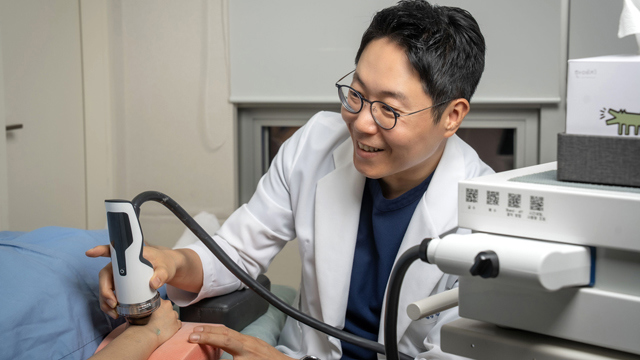
Well Rehabilitation Clinic is a Registered Medical Institution for Attracting Foreign Patients, certified by South Korea's Ministry of Health and Welfare under the Medical Overseas Expansion and Foreign Patients Attraction Act — the same national registration system that the Ministry's public-facing Medical Korea programme describes as requiring mandatory registration and medical-malpractice liability coverage for institutions treating international patients (Medical Korea, Korea Health Industry Development Institute). Dr. Kim DaeHwan is a Rehabilitation Medicine specialist in South Korea and a full member of the Korean Academy of Rehabilitation Medicine, a professional society aligned with international physical medicine and rehabilitation bodies such as the American Academy of Physical Medicine and Rehabilitation, which represents physicians who treat musculoskeletal injury and illness non-surgically to reduce pain and restore function (AAPM&R). Well Rehabilitation Clinic states that it emphasises accurate examination and diagnosis before selecting a musculoskeletal treatment, followed by a plan tailored to the patient's physical condition, symptoms, and recovery goals rather than a one-size-fits-all protocol. This individualised, evaluation-first approach reflects broader clinical evidence on musculoskeletal rehabilitation: a Cochrane systematic review of manual/manipulative therapy for acute low-back pain found it to be a safe intervention compared with other treatment options, whilst noting that outcomes vary by technique and patient presentation (Cochrane Evidence: Spinal Manipulative Therapy for Acute Low-Back Pain). Musculoskeletal conditions of the kind treated at this clinic represent a substantial share of global disability, which is one reason major health bodies emphasise structured, evaluation-based rehabilitation rather than symptom-only treatment (IASP: Global Burden of Musculoskeletal Conditions). The U.S. National Library of Medicine similarly describes rehabilitation as a structured process — often delivered by a team working toward defined goals — for people who have lost function due to injury, illness, or surgery, consistent with the consultation-then-individualised-plan model used at Well Rehabilitation Clinic (MedlinePlus: Rehabilitation, National Library of Medicine). Patients preparing for a consultation are asked to provide an accurate medical history, current medication list, previous treatment information, and relevant imaging or surgical records so the plan can be built on complete information from the first visit. The clinic operates under South Korean business registration 740-92-01117, and, in line with national guidance on medical marketing in Korea, this page avoids guaranteed-outcome claims and presents treatment benefits as individualised rather than universal to every patient.
The Bottom Line
Spine & Joint Rehabilitation at Well Rehabilitation Clinic is a non-surgical specialty covering both ongoing musculoskeletal pain and structured recovery after surgery.
The specialty is organised into two core services — Manual Therapy for Spine & Joints and Postoperative Rehabilitation — each individualised to the patient's diagnosis and goals.
Dr. Kim DaeHwan, Director and Rehabilitation Medicine specialist, leads evaluation and treatment planning personally rather than delegating it to non-specialist staff.
Care can be combined with related musculoskeletal treatments such as ESWT and PRP when clinically appropriate.
Most rehabilitation-based treatment does not require a surgical recovery period, though exact timelines and visit requirements are confirmed individually after consultation.
Frequently Asked Questions
Who is a good candidate for Spine & Joint Rehabilitation at Well Rehabilitation Clinic?
Patients with musculoskeletal pain, stiffness, reduced range of motion, or functional limitations involving the spine or joints are typically good candidates, as are patients recovering from musculoskeletal surgery who need structured support. A clinical consultation with Dr. Kim DaeHwan confirms suitability for a specific service.
Is rehabilitation treatment at this clinic painful?
Most non-invasive rehabilitation treatments, including manual therapy, do not typically require anaesthesia and are not considered painful, though patients may feel pressure, stretching, or mild temporary discomfort during certain techniques. If an injection-based or invasive treatment is considered, its pain-control approach is discussed separately during consultation.
What is the difference between Manual Therapy and Postoperative Rehabilitation?
Manual Therapy is a hands-on treatment for existing musculoskeletal pain, stiffness, or movement limitations, whilst Postoperative Rehabilitation is a structured programme specifically designed to restore movement, strength, and function after surgery. Both are individualised, but Postoperative Rehabilitation also accounts for the operating surgeon's precautions and healing stage.
How many days should I plan to stay in Seoul for rehabilitation treatment?
Length of stay depends on the diagnosis and recommended treatment schedule, but rehabilitation-based treatments at this clinic generally recommend planning for roughly 7 to 14 days to allow time for consultation, treatment, and reassessment. The exact schedule is confirmed with the clinic after your initial assessment.
When can I fly home after treatment?
Rehabilitation-based treatments generally do not involve a surgical recovery period, so many patients can plan return travel once they feel well and the clinical team confirms it is appropriate. Exact timing should be confirmed with Dr. Kim before booking return flights, particularly after Postoperative Rehabilitation.
Is English-language support available for international patients?
Yes, English-speaking consultation and support are available at Well Rehabilitation Clinic, and online consultations can be arranged before travelling to Seoul to discuss symptoms and treatment goals in advance.
Can Spine & Joint Rehabilitation be combined with other treatments at the clinic?
Yes, rehabilitation care may be combined with other musculoskeletal treatments offered at the clinic, such as ESWT or PRP therapy, when clinically appropriate. The specific combination, sequence, and timing are determined individually by Dr. Kim based on the patient's diagnosis and goals.
What should I bring to my first consultation?
Patients are asked to bring an accurate medical history, a current medication list, details of previous treatment, and any relevant imaging or surgical records. For Postoperative Rehabilitation specifically, bringing discharge instructions and notes from the operating surgeon helps Dr. Kim plan a safe, staged recovery from the first visit.
Book a Consultation at Well Rehabilitation Clinic
To schedule a Spine & Joint Rehabilitation consultation with Dr. Kim DaeHwan, contact Well Rehabilitation Clinic through the clinic's online contact form or by phone at +82-2-6203-1630. The clinic is located on the 5th floor of the KB Woojun Tower, 447 Teheran-ro, Gangnam-gu, Seoul, and is open weekdays from 9:00 a.m. to 7:00 p.m. Korea Standard Time, with a lunch break from 1:30 p.m. to 2:30 p.m., and closed at weekends and on public holidays. International patients can request an online consultation before travelling to discuss symptoms, prior treatment, and what to expect from a Gangnam-based visit, and can review patient testimonials in advance. Bring any relevant imaging, surgical records, a current medication list, and details of previous treatment to your first visit so Dr. Kim can begin building your rehabilitation plan without delay.
Disclaimer
This content is provided for general informational purposes only and is not medical advice. Treatment eligibility is determined only after an individual consultation and clinical evaluation by a qualified physician at Well Rehabilitation Clinic. Treatment outcomes vary between patients.
Related Services
Non-surgical procedures offered at Well Rehabilitation Clinic.
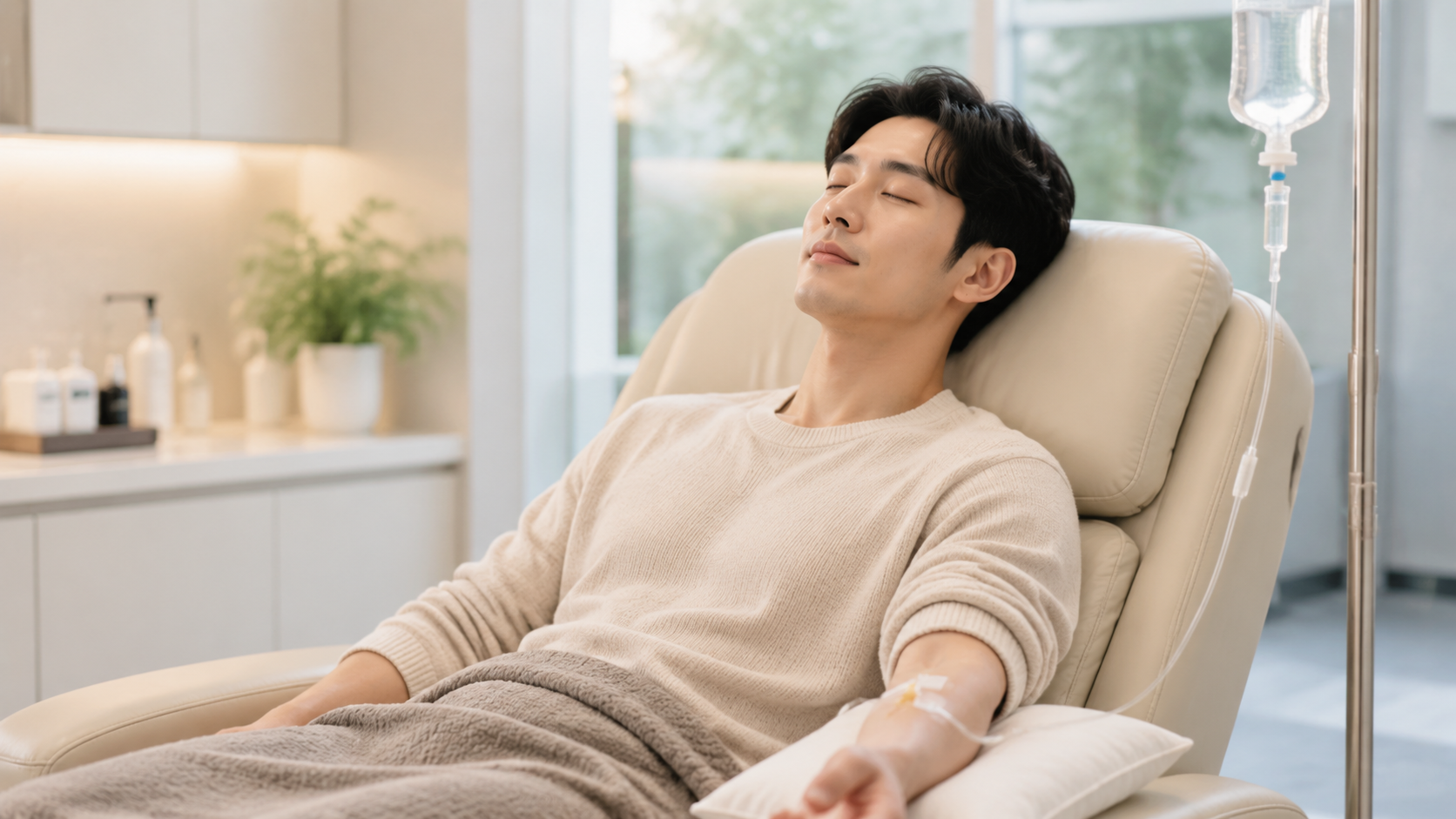
Chronic Fatigue IV Therapy
Chronic Fatigue IV Therapy is an intravenous therapy approach in which fluids and selected vitamins and minerals are administered through a vein, with the exact formulation determined according to an individual assessment of the patient's fatigue-related…
Learn More
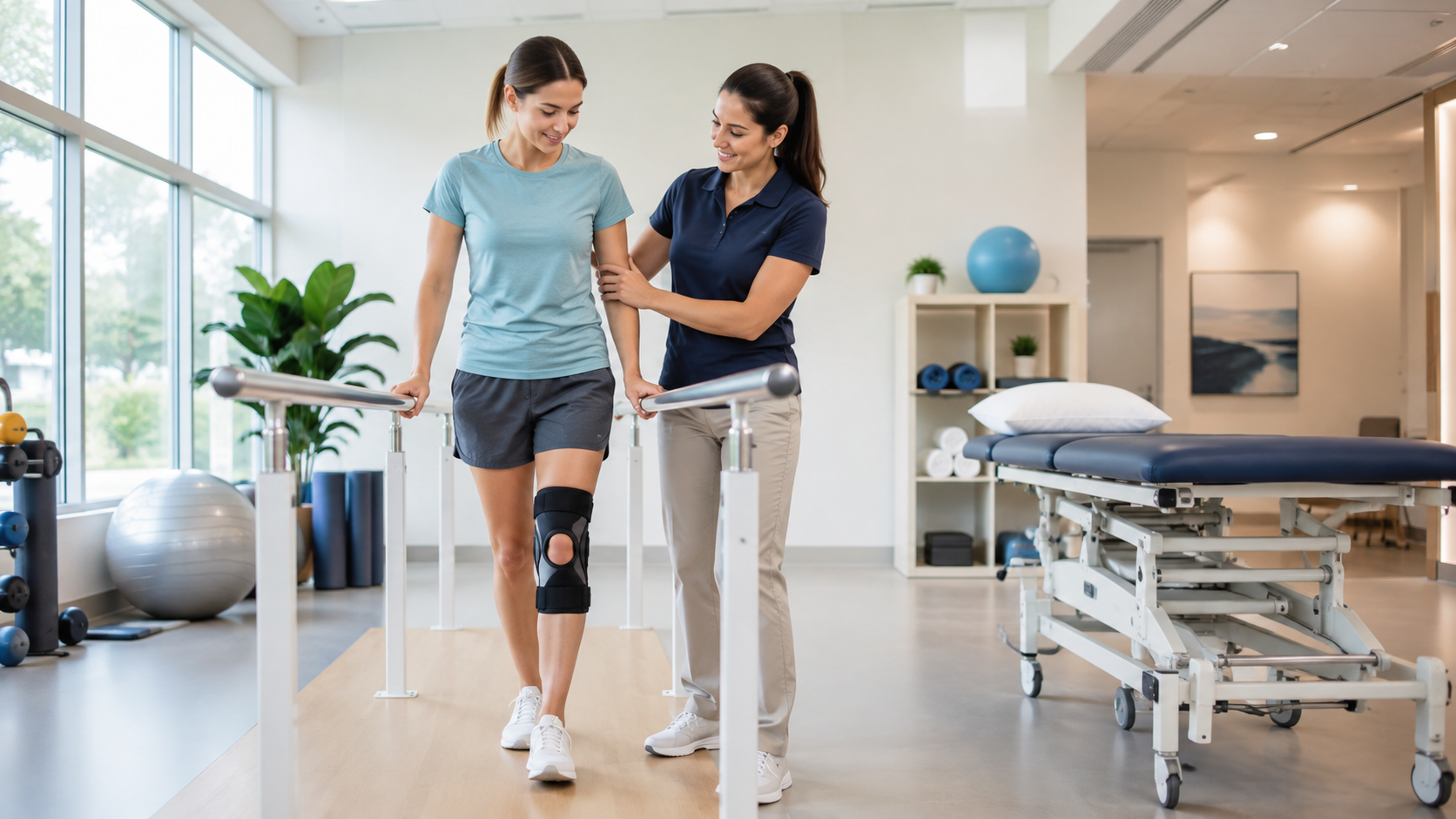
Postoperative Rehabilitation
Postoperative rehabilitation is a structured recovery program designed to restore movement, strength, function, and daily activities after surgery, and it may include physical therapy, exercises, mobility training, and symptom management.
Learn More
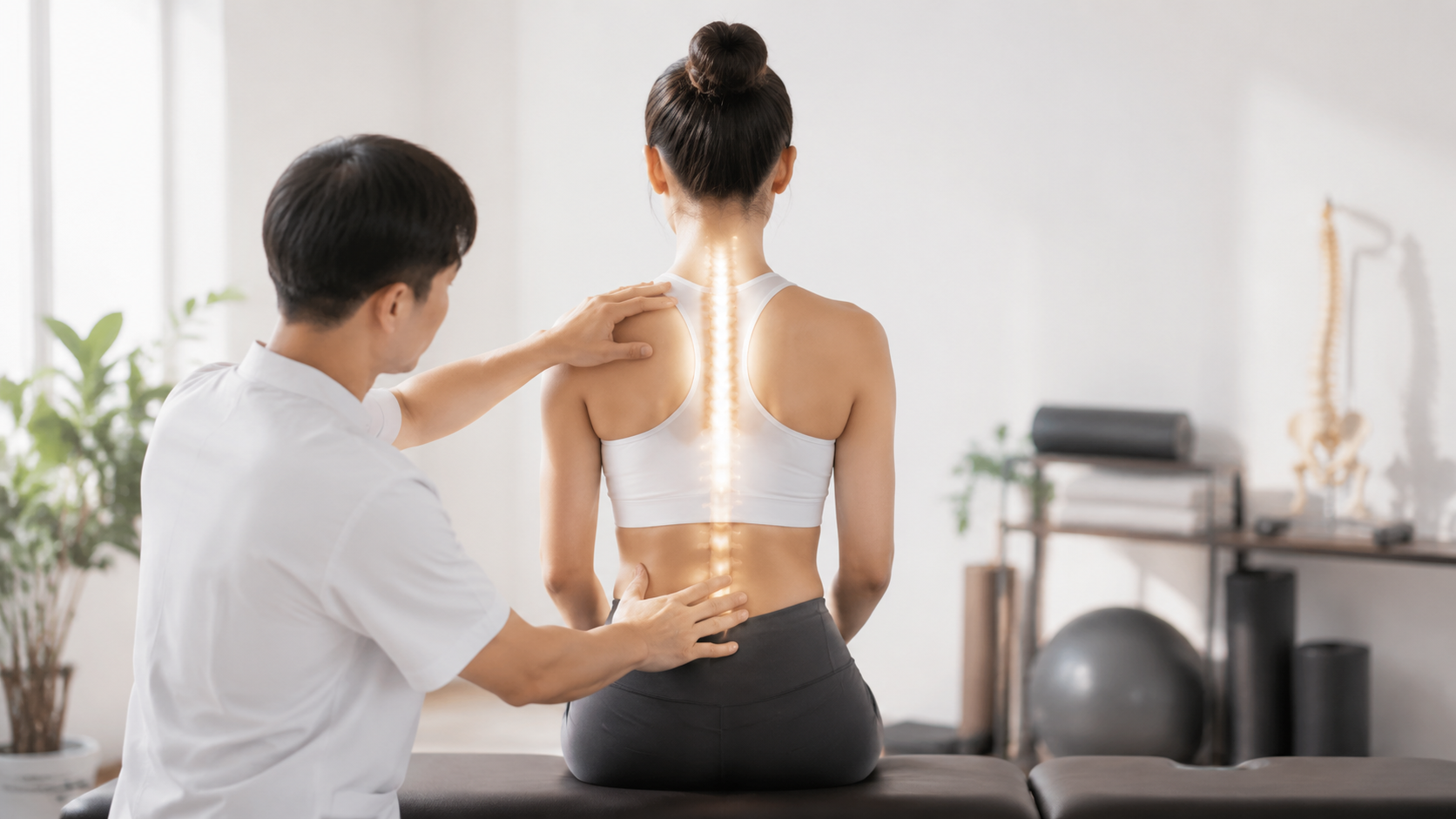
Postural & Body Alignment Correction
Postural & Body Alignment Correction is a non-surgical approach designed to improve posture, body alignment and movement patterns using manual techniques, stretching, strengthening and corrective exercises directed at the specific cause of an imbalance rather…
Learn More