Specialist Rehabilitation & Pain Care in Gangnam, Seoul · Dedicated International Concierge


Specialty Overview
Postural Rehabilitation in Seoul | Well Rehabilitation Clinic
Postural Rehabilitation is a personalised programme designed to improve posture, movement patterns, muscle balance, flexibility and functional alignment through a combination of therapeutic exercise, movement retraining, stretching and manual therapy…
Schedule a ConsultationPostural Rehabilitation in Seoul: Alignment and Movement Care at Well Rehabilitation Clinic

Medically reviewed by Dr. Kim DaeHwan, Director, Rehabilitation Medicine Specialist, Hallym University College of Medicine
Postural Rehabilitation is a personalized, non-surgical program designed to improve posture, movement patterns, muscle balance, flexibility, and functional alignment. At Well Rehabilitation Clinic in Gangnam, Seoul, the program combines therapeutic exercise, movement retraining, stretching, and manual techniques to help patients address discomfort and movement limitations connected to how they hold and move their bodies. This page explains what the program involves, who it is designed for, and what patients can expect from evaluation through follow-up care.
What Is Postural Rehabilitation?
Postural Rehabilitation is a personalized program designed to improve posture, movement patterns, muscle balance, flexibility, and functional alignment through a combination of therapeutic exercise, movement retraining, stretching, and manual therapy techniques.
Non-surgical and does not typically require anesthesia; comfort depends on the specific techniques used and the patient's individual condition.
Built around an initial evaluation of body alignment and movement patterns rather than a single fixed protocol.
May combine therapeutic exercises, movement retraining, stretching, and manual techniques within one individualized plan.
Distinct from — but closely related to — the clinic's more targeted Postural & Body Alignment Correction service, which focuses specifically on correcting alignment imbalances through manual and corrective-exercise techniques.
Falls under the clinic's broader Spine & Joint Rehabilitation and Manual Therapy service categories.
Posture itself is defined by health authorities as the position in which the body is held while standing, sitting, or moving, and is maintained continuously by the musculoskeletal system — the muscles, ligaments, tendons, and joints that keep the body stable and support movement. Posture is generally described as either static (how the body is held while stationary, such as sitting or standing) or dynamic (how the body stays stable while moving), and both types can be addressed within a postural rehabilitation program depending on the patient's evaluation findings.
Poor posture on its own is not classified as a disease, but sustained poor posture — for example from long periods at a desk — is a recognized contributor to musculoskeletal discomfort such as back pain, neck pain, and headaches, which is why an individualized evaluation of daily habits and movement patterns is a core part of the intake process at Well Rehabilitation Clinic.
Who Performs Postural Rehabilitation at Well Rehabilitation Clinic

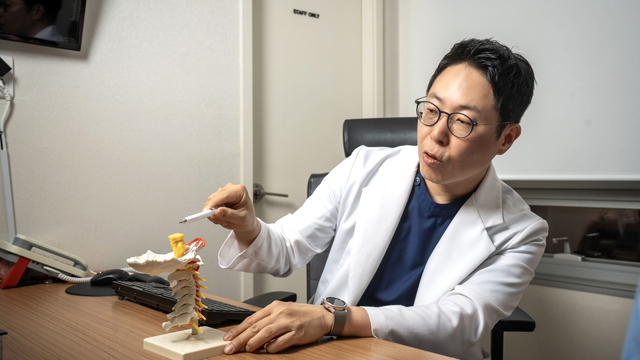
Dr. Kim DaeHwan
Rehabilitation Medicine Specialist
Postural Rehabilitation at Well Rehabilitation Clinic is led by Dr. Kim DaeHwan, Director of the clinic and a specialist in Rehabilitation Medicine. Dr. Kim graduated from Hallym University College of Medicine, completed clinical training at Hallym University Kangdong Sacred Heart Hospital, and completed residency training in Rehabilitation Medicine at Bundang Jesaeng Hospital. His documented clinical focus areas include musculoskeletal pain management, spine and joint rehabilitation, postoperative rehabilitation, manual therapy, and regenerative musculoskeletal care — the same clinical foundations that inform the clinic's postural rehabilitation programs.
Dr. Kim is a Full Member of the Korean Academy of Rehabilitation Medicine, the Korean Association of Clinical Pain, and the Korean Society of Electromyography and Electrodiagnostic Medicine, and is a Titleist Performance Institute (TPI) Certified Professional — a credential focused specifically on movement and body-alignment assessment. He has also held university teaching roles, including as a current Adjunct/Outpatient Professor at Catholic Kwandong University College of Medicine and a former Adjunct/Outpatient Professor at Kyung Hee University College of Medicine. At Well Rehabilitation Clinic, Dr. Kim's practice emphasizes evaluation-based treatment planning, meaning each postural rehabilitation plan is built around an individual assessment of the patient's physical condition rather than a standardized routine applied to every patient.
Rehabilitation medicine specialists — known internationally as physiatrists — are physicians who focus on restoring function for patients with musculoskeletal problems, including back and neck pain, movement disorders, and post-injury or post-surgical limitations, according to the American Academy of Physical Medicine and Rehabilitation. Dr. Kim's background in this specialty, combined with his TPI movement-assessment certification, is the clinical basis for how postural evaluations are conducted at Well Rehabilitation Clinic.
Postural Rehabilitation Pathways at Well Rehabilitation Clinic
Rather than a single fixed treatment, Postural Rehabilitation at Well Rehabilitation Clinic is assembled from several complementary components, selected according to each patient's evaluation findings:
Component | What it addresses |
Therapeutic exercise | Builds strength and control in the muscle groups that support posture and alignment |
Movement retraining | Helps patients learn and reinforce more efficient movement patterns for daily activities |
Stretching | Addresses tightness or restricted flexibility that can contribute to postural strain |
Manual therapy techniques | Hands-on techniques applied by the treating clinician to support joint and soft-tissue function |
Patients whose primary concern is a specific alignment imbalance — rather than a broader posture or movement-pattern issue — may instead be guided toward the clinic's related Postural & Body Alignment Correction service, which applies a more targeted combination of manual techniques, stretching, strengthening, and corrective exercises to the root cause of an alignment problem. Which pathway is appropriate is determined during the initial consultation, not selected by the patient in advance.
Who Is a Good Candidate for Postural Rehabilitation?

Patients experiencing posture-related discomfort, stiffness, or difficulty with daily activities.
Patients with movement imbalance or muscle tension linked to posture or movement habits.
Patients whose functional limitations affect routine activities, work, or exercise.
Patients who have already been evaluated and determined not to require a different care pathway for an underlying medical condition outside the scope of rehabilitation.
Patients seeking a non-surgical, evaluation-based approach rather than a generic exercise program.
Postural Rehabilitation may not be suitable for patients who require additional evaluation for an underlying medical condition outside the scope of rehabilitation care; these patients may need a different care pathway before or instead of a postural rehabilitation program.
What to Expect: Consultation, Program, and Follow-Up
Consultation and diagnosis. The process generally begins with an assessment of the patient's posture, movement patterns, current symptoms, physical condition, and functional limitations. Patients are asked to share information about their symptoms, any previous treatments, relevant medical history, daily activities, and specific movement-related concerns so the evaluation reflects their actual situation, not a generic checklist.
Program design. Based on the evaluation, the clinical team designs an individualized plan drawing on therapeutic exercise, movement retraining, stretching, and manual techniques. The number and frequency of visits is not fixed in advance — it depends on the patient's posture-related concerns, functional goals, and how the rehabilitation plan is structured.
During treatment. As a non-surgical rehabilitation approach, Postural Rehabilitation typically does not require anesthesia. Comfort during sessions depends on which specific techniques are used and the patient's individual condition, so this is discussed as part of the consultation rather than assumed in advance.
Recovery and adaptation. Recovery and adaptation depend on the individual patient's posture-related issues, physical condition, and consistent participation in the rehabilitation program — outcomes are not guaranteed and vary by patient.
Aftercare. Aftercare typically includes continuing recommended exercises at home, maintaining healthier movement habits day to day, and attending follow-up assessments when advised by the treating clinician.
Stage | What typically happens |
Initial consultation | Assessment of posture, movement patterns, symptoms, and functional limitations |
Plan design | Individualized combination of exercise, movement retraining, stretching, and manual therapy |
Active treatment | Sessions delivered according to the personalized plan; frequency varies by patient |
Aftercare | Home exercises, movement-habit changes, and follow-up assessments as advised |
For patients traveling from outside Korea, treatment plans are generally structured to fit within a defined visit to Seoul; many rehabilitation programs at the clinic are planned around roughly one to two weeks in Korea, though the exact length of stay should always be confirmed individually after clinical evaluation, since it depends on the treatment plan.
For international patients. Common planning questions from patients traveling from the United States include the doctor's specialist credentials, whether English-language communication is available during consultation and treatment, the realistic benefits and limitations of the program, the total cost and accepted payment methods, how many sessions are likely to be needed, and what follow-up support is available after returning home. Well Rehabilitation Clinic offers English-speaking consultation and support, and patients are encouraged to raise all of these questions — along with any concerns about remote follow-up, medical-record coordination, and travel timing — during the initial consultation rather than assuming answers in advance.
Combining Postural Rehabilitation with Other Treatments
Postural Rehabilitation may be combined with other rehabilitation services when clinically appropriate:
Manual Therapy for Spine & Joints — hands-on techniques addressing joint and soft-tissue restrictions that contribute to postural strain.
Postural & Body Alignment Correction — a more targeted service for patients whose primary issue is a specific alignment imbalance rather than a broader postural or movement pattern.
Other musculoskeletal treatments offered at the clinic, selected based on the patient's evaluation and clinical needs.
Whether and how to combine services is determined by the treating clinician after evaluation, not chosen independently by the patient in advance.
Safety, Precision, and Clinic Standards
Well Rehabilitation Clinic is a Registered Medical Institution for Attracting Foreign Patients, certified by Korea's Ministry of Health and Welfare in compliance with the Medical Overseas Expansion and Foreign Patients Attraction Act. The clinic is registered under Business Registration number 740-92-01117.
Treatment planning at the clinic follows a stated sequence: careful examination and diagnosis before musculoskeletal treatment begins, followed by an individualized plan based on the patient's physical condition — a model consistent with the evaluation-based approach recommended for postural and musculoskeletal rehabilitation generally. Rehabilitation, as defined by the World Health Organization, is "a set of interventions designed to optimize functioning and reduce disability in individuals with health conditions in interaction with their environment," and is most effective when delivered by trained rehabilitation professionals as part of an individualized plan rather than a one-size-fits-all program.
Dr. Kim DaeHwan's postural and musculoskeletal rehabilitation work is grounded in formal specialty training and ongoing professional affiliation: he is a Rehabilitation Medicine Specialist in South Korea, a Full Member of the Korean Academy of Rehabilitation Medicine, the Korean Association of Clinical Pain, and the Korean Society of Electromyography and Electrodiagnostic Medicine, and holds Titleist Performance Institute (TPI) certification specific to movement and alignment assessment. Independent research on posture-focused rehabilitation supports the general premise behind this approach: a randomized controlled trial published in a peer-reviewed physical therapy journal found that adding targeted stabilization exercises to standard postural correctional exercises produced measurably greater improvement than postural exercises alone, reinforcing that individualized, technique-specific programs can outperform generic exercise routines for posture-related symptoms. Independent health authorities also note that certain posture-related exercises — such as strengthening, stretching, and movement retraining — are commonly recommended as part of managing musculoskeletal pain linked to posture.
The Bottom Line
Postural Rehabilitation at Well Rehabilitation Clinic is a personalized, non-surgical program combining therapeutic exercise, movement retraining, stretching, and manual therapy.
Care is led by Dr. Kim DaeHwan, a Rehabilitation Medicine Specialist with dedicated movement-and-alignment credentials (TPI certification) and formal rehabilitation-medicine training.
The program begins with an individualized evaluation of posture and movement patterns, not a fixed, one-size-fits-all protocol.
Patients with a specific alignment imbalance may be better suited to the clinic's related Postural & Body Alignment Correction service.
Outcomes, visit frequency, and length of stay in Korea vary by patient and should be confirmed after a clinical evaluation.
Frequently Asked Questions
Is Postural Rehabilitation the same as Postural & Body Alignment Correction?
They are related but distinct programs at Well Rehabilitation Clinic. Postural Rehabilitation is the broader program addressing posture, movement patterns, and functional alignment, while Postural & Body Alignment Correction is a more targeted service focused on correcting a specific alignment imbalance. Your evaluation determines which pathway fits your situation.
Will I need anesthesia for Postural Rehabilitation?
No. Postural Rehabilitation is a non-surgical rehabilitation approach and typically does not require anesthesia. Comfort during treatment depends on the specific techniques used and your individual condition, which your clinician will discuss with you beforehand.
How many sessions will I need?
The number and frequency of visits is not fixed — it depends on your posture-related concerns, functional goals, and the rehabilitation plan designed for you after your initial evaluation. Some patients need a shorter series of sessions, while others require an extended program.
Is Postural Rehabilitation safe for international patients?
Yes. Postural Rehabilitation at Well Rehabilitation Clinic is performed by licensed rehabilitation medicine specialists, and the clinic is a Registered Medical Institution for Attracting Foreign Patients under Korea's Ministry of Health and Welfare, with English-speaking consultation and support available.
How long do I need to stay in Korea for treatment?
Length of stay depends on your individualized treatment plan and is confirmed after your clinical evaluation. Many rehabilitation programs at the clinic are structured around a defined period in Seoul, but this should not be assumed before a consultation.
What happens during the first consultation?
Your first visit generally includes an assessment of your posture, movement patterns, current symptoms, physical condition, and functional limitations. You will be asked about your symptoms, any prior treatments, relevant medical history, and the daily activities affected by your concerns.
Who is not a good candidate for this program?
Patients who require additional evaluation or treatment for an underlying medical condition outside the scope of rehabilitation care may need a different care pathway before or instead of Postural Rehabilitation. This is determined during your consultation.
Can Postural Rehabilitation be combined with other treatments at the clinic?
Yes, when clinically appropriate. It may be combined with Manual Therapy for Spine & Joints, the clinic's Postural & Body Alignment Correction service, or other musculoskeletal treatments, based on your evaluation and clinical needs.
Book a Consultation at Well Rehabilitation Clinic
If posture-related discomfort, movement imbalance, or functional limitations are affecting your daily activities, an individualized evaluation is the first step toward an appropriate Postural Rehabilitation plan at Well Rehabilitation Clinic in Gangnam, Seoul. Book a consultation to discuss your symptoms, goals, and treatment options with the clinical team, or learn more about the clinic before your visit.
Disclaimer
This page is for general informational purposes and does not constitute individualized medical advice. Candidacy, technique, and expected outcomes can only be determined through a consultation with a qualified physician.
Related Services
Non-surgical procedures offered at Well Rehabilitation Clinic.

Chronic Fatigue IV Therapy
Chronic Fatigue IV Therapy is an intravenous therapy approach in which fluids and selected vitamins and minerals are administered through a vein, with the exact formulation determined according to an individual assessment of the patient's fatigue-related…
Learn More
Postoperative Rehabilitation
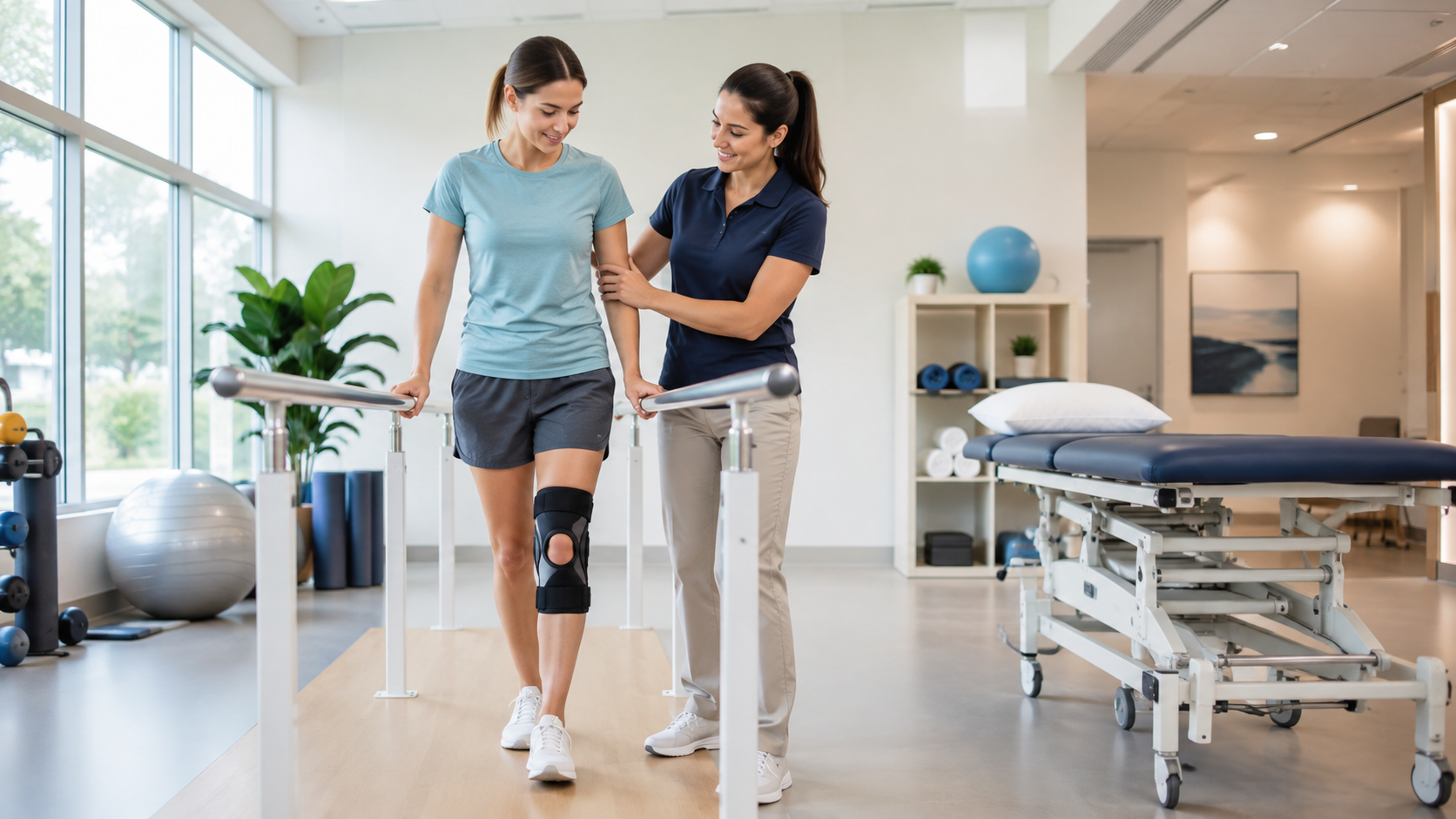
Postoperative rehabilitation is a structured recovery program designed to restore movement, strength, function, and daily activities after surgery, and it may include physical therapy, exercises, mobility training, and symptom management.
Learn More
Postural & Body Alignment Correction
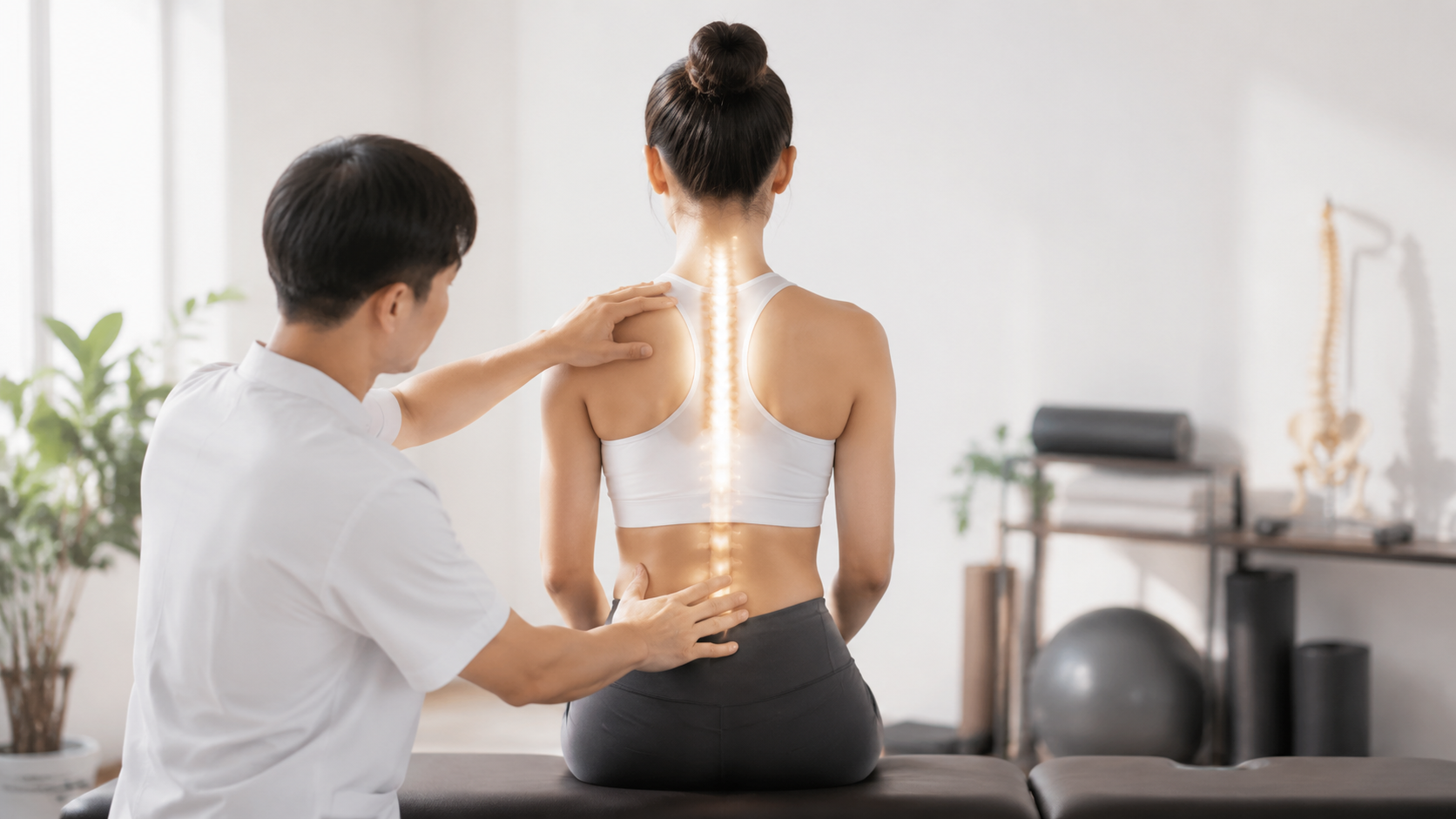
Postural & Body Alignment Correction is a non-surgical approach designed to improve posture, body alignment and movement patterns using manual techniques, stretching, strengthening and corrective exercises directed at the specific cause of an imbalance rather…
Learn More