Specialist Rehabilitation & Pain Care in Gangnam, Seoul · Dedicated International Concierge


Specialty Overview
Neuropsychological Care | Well Rehabilitation Clinic
Neuropsychological care is a structured approach to evaluating and supporting cognitive, emotional, behavioural and functional changes that are connected to conditions affecting the brain.
Schedule a ConsultationNeuropsychological Care in Seoul: Assessment, Cognitive Rehabilitation, and TMS at Well Rehabilitation Clinic

Medically reviewed by Dr. Kim DaeHwan, Director, Rehabilitation Medicine Specialist, Hallym University College of Medicine
Neuropsychological Care at Well Rehabilitation Clinic in Gangnam, Seoul evaluates and addresses the cognitive, emotional, behavioural, and functional changes that can be connected to a brain-related condition. At this clinic, the service line spans clinical assessment, counselling, cognitive rehabilitation, and personalised care recommendations, with Transcranial Magnetic Stimulation (TMS) offered as one specific, non-invasive treatment option within that broader scope. This page explains what Neuropsychological Care involves at Well Rehabilitation Clinic, who it is designed for, and what patients can expect from consultation through follow-up.
What Is Neuropsychological Care?
Neuropsychological care is a structured approach to evaluating and supporting cognitive, emotional, behavioural, and functional changes that are connected to conditions affecting the brain.
May include clinical assessment, counselling, cognitive rehabilitation, and personalised recommendations, selected according to each patient's evaluation results.
Delivered within Well Rehabilitation Clinic's broader Rehabilitation Medicine framework, alongside services such as musculoskeletal pain management, postoperative rehabilitation, and regenerative care.
Can include Transcranial Magnetic Stimulation (TMS) — delivered with the clinic's BrainStim TMS system — as a non-invasive, targeted treatment option when clinically indicated.
Built around consultation, review of symptoms, medical history, and functional concerns, rather than a single fixed protocol applied to every patient.
Non-invasive by nature: no anaesthesia is generally expected for neuropsychological assessment or related non-surgical care.
Clinical neuropsychology, the discipline underlying this kind of evaluation, is formally recognised in the United States as "a specialty that applied principles of assessment and intervention based upon the scientific study of human behaviour as it relates to normal and abnormal functioning of the central nervous system," dedicated to understanding brain-behaviour relationships.¹ A related evaluation, described by the American Academy of Clinical Neuropsychology, typically combines an interview, structured cognitive tasks, and feedback of results, and can be used either as a one-time assessment or repeated over time to track change.²
Who Performs Neuropsychological Care at Well Rehabilitation Clinic

Dr. Kim DaeHwan
Rehabilitation Medicine Specialist
Neuropsychological Care at Well Rehabilitation Clinic is directed by Dr. Kim DaeHwan, the clinic's Director and a specialist in Rehabilitation Medicine. Dr. Kim graduated from Hallym University College of Medicine, completed clinical training at Hallym University Kangdong Sacred Heart Hospital, and completed residency training in Rehabilitation Medicine at Bundang Jesaeng Hospital. His documented clinical focus areas include musculoskeletal pain management, spine and joint rehabilitation, postoperative rehabilitation, manual therapy, and regenerative musculoskeletal care, and the clinic's documented subspecialty equipment associated with his practice includes the BrainStim TMS system used for Transcranial Magnetic Stimulation.
Dr. Kim is a Full Member of the Korean Academy of Rehabilitation Medicine, the Korean Association of Clinical Pain, and the Korean Society of Electromyography and Electrodiagnostic Medicine. He has also held university teaching roles, including a current Adjunct/Outpatient Professor position at Catholic Kwandong University College of Medicine and a former Adjunct/Outpatient Professor role at Kyung Hee University College of Medicine. At Well Rehabilitation Clinic, Dr. Kim's practice emphasises evaluation-based treatment planning, meaning each patient's neuropsychological care plan is built around consultation and individual assessment rather than a standardised routine applied to everyone.
Well Rehabilitation Clinic itself was established in the Gangnam/Samseong area of Seoul in October 2019 and is a Registered Medical Institution for Attracting Foreign Patients, certified by Korea's Ministry of Health and Welfare under the Medical Overseas Expansion and Foreign Patients Attraction Act — a distinction relevant to international patients evaluating where to seek neuropsychological or TMS-related care in Korea.
Neuropsychological Care Modalities Available
Neuropsychological Care at Well Rehabilitation Clinic is not a single fixed service — it is assembled from several complementary components, selected according to each patient's evaluation findings:
Modality | What It Involves | Typical Use |
|---|---|---|
Clinical assessment & consultation | Review of symptoms, medical history, and functional concerns to determine appropriate next steps | Initial evaluation of cognitive, emotional, or functional concerns |
Counselling & personalised recommendations | Guidance based on evaluation results and the patient's specific condition | Ongoing management and care planning |
Cognitive rehabilitation | Structured support for cognitive and functional abilities, coordinated with other rehabilitation services when appropriate | Patients with identified cognitive or functional changes |
Transcranial Magnetic Stimulation (TMS) | Non-invasive brain stimulation delivered with an electromagnetic coil (BrainStim TMS system) to targeted areas of the head | Patients for whom TMS is clinically indicated after evaluation |
TMS at Well Rehabilitation Clinic has its own dedicated service page with full procedural detail, candidacy criteria specific to the treatment, and session information; this page covers Neuropsychological Care at the specialty level and introduces TMS only as one option within it.
Who Is a Good Candidate for Neuropsychological Care?

Patients with concerns involving cognitive function — such as changes in memory, attention, reasoning, or concentration — that warrant professional evaluation.
Patients with neurological rehabilitation needs connected to a brain-related condition.
Patients experiencing functional changes in daily activities or mental well-being that require assessment before an appropriate care plan can be recommended.
Patients specifically interested in TMS who may benefit from non-invasive brain stimulation after a full medical assessment.
Suitability always depends on medical history, current symptoms, and clinical evaluation — not on a single symptom or self-diagnosis.
Care may need to be postponed or modified for patients who cannot participate reliably in assessment or treatment because of severe acute illness, an inability to communicate adequately, or other factors that significantly interfere with reliable evaluation. For patients specifically considering TMS, candidacy also requires a detailed review of implanted metal or electronic devices near the head — such as cochlear implants, deep brain stimulators, or aneurysm clips — since certain devices can make TMS unsuitable, along with a broader neurological history review before any treatment is recommended.
What to Expect: Consultation, Assessment, and Follow-Up
Consultation and diagnosis. The process generally begins with a review of the patient's symptoms, medical history, functional concerns, and treatment goals. The clinical team then determines whether further assessment, cognitive rehabilitation, counselling, TMS, or a combination of these is appropriate for the individual patient.
Assessment. Specific assessment methods are determined individually rather than applied as a fixed checklist. Duration varies according to the referral question and the number of tests required; comprehensive evaluations may take several hours.
Anaesthesia and comfort. Anaesthesia is generally not expected for non-invasive neuropsychological assessment or for TMS, since TMS is a non-invasive treatment that does not typically require surgical anaesthesia. Specific comfort measures and monitoring depend on the treatment method used and are confirmed with the clinical team.
During TMS (if recommended). The process generally involves positioning a stimulation device over a targeted area of the head and delivering magnetic pulses according to an individualised treatment plan; specific stimulation settings, session duration, and frequency are set on a patient-by-patient basis.
Recovery and follow-up. Recovery depends on the specific assessment or treatment provided. Because comprehensive testing can be demanding, lengthy sessions may cause temporary fatigue, overstimulation, or mental tiredness — this is not considered a physical risk, since neuropsychological testing itself is non-invasive. Patients are asked to follow the clinical team's guidance regarding activity, monitoring, and expected progress after their visit.
Stage | What Typically Happens |
|---|---|
Consultation | Review of symptoms, medical history, functional concerns, and treatment goals |
Assessment | Individualised evaluation; comprehensive testing may take several hours depending on the referral question |
Treatment planning | Findings guide whether counselling, cognitive rehabilitation, TMS, or a combination is recommended |
TMS sessions (if indicated) | Magnetic pulses delivered via a positioned coil across a planned series of visits; frequency and duration are set individually |
Aftercare | Follow-up guidance based on the specific care approach selected and the patient's response |
Pre-visit preparation. Patients should come prepared to share their medical history, current symptoms, medications, previous treatments, and functional concerns; relevant medical records can help support an accurate evaluation and treatment plan.
For international patients. Common planning questions from patients travelling from abroad include the doctor's specialist credentials, whether English-language communication is available during consultation and treatment, realistic benefits and limitations, total cost and accepted payment methods, how many visits are likely to be needed, and what remote follow-up support is available after returning home. Well Rehabilitation Clinic offers English-speaking consultation and support, and patients are encouraged to raise these questions during the initial consultation rather than assume answers in advance, since exact length of stay and visit frequency depend on the individualised treatment plan.
Combining Neuropsychological Care with Other Treatments
Neuropsychological Care may be combined with other services when clinically appropriate:
Cognitive rehabilitation and psychotherapy — coordinated with neuropsychological assessment for patients with identified cognitive or emotional needs.
Occupational or speech therapy — added when functional or communication-related concerns are identified during evaluation.
Neurological care and other condition-specific interventions — coordinated with outside neurology or psychiatric providers when a patient's condition falls outside the scope of rehabilitation-based care.
Whether and how to combine services is determined by the treating clinician after evaluation, not selected independently by the patient in advance.
Safety, Precision, and Clinic Standards
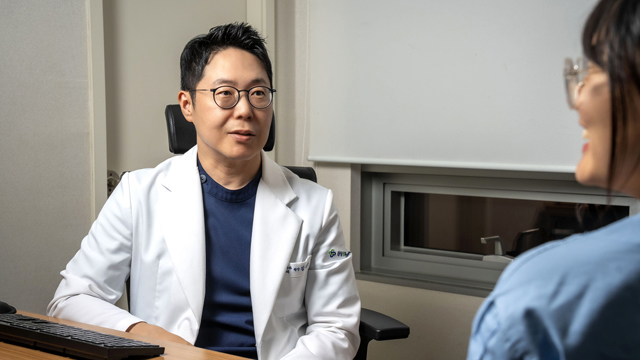
Well Rehabilitation Clinic is a Registered Medical Institution for Attracting Foreign Patients, certified by Korea's Ministry of Health and Welfare in compliance with the Medical Overseas Expansion and Foreign Patients Attraction Act. The clinic is registered under Business Registration number 740-92-01117. Dr. Kim DaeHwan is licensed in South Korea as a Rehabilitation Medicine Specialist and is a Full Member of three national professional bodies: the Korean Academy of Rehabilitation Medicine, the Korean Association of Clinical Pain, and the Korean Society of Electromyography and Electrodiagnostic Medicine. Treatment planning at the clinic follows a stated sequence of careful examination and diagnosis before treatment begins, followed by an individualised plan based on the patient's physical condition and evaluation findings.
TMS itself carries an established international regulatory and safety track record that is independent of any one clinic. The U.S. Food and Drug Administration first permitted marketing of TMS for treating major depression in adults in 2008, and has since expanded clearances — including for pain associated with certain migraine headaches in 2013 and for obsessive-compulsive disorder in 2018.³ The U.S. National Institute of Mental Health describes repetitive TMS as a noninvasive, highly precise brain stimulation tool, approved by the FDA for major depression and other conditions, that uses an electromagnet to deliver repeated low-intensity magnetic pulses.⁴ Neuropsychological assessment as a clinical discipline is similarly well-established: it has been formally recognised as an American Psychological Association specialty since 1996, following criteria developed through APA Division 40 and later expanded by the National Academy of Neuropsychology.¹ Cognitive rehabilitation — one of the modalities available within Neuropsychological Care at Well Rehabilitation Clinic — is described by the U.S. National Institute of Neurological Disorders and Stroke as a set of interventions that begins with a thorough neuropsychological assessment to identify cognitive strengths and weaknesses, with the results used to build an individualised training programme.⁵
Specific infection-control procedures, monitoring standards, and equipment-specific quality-control protocols beyond what is documented above should be confirmed directly with the clinic during consultation.
The Bottom Line
Neuropsychological Care at Well Rehabilitation Clinic combines clinical assessment, counselling, cognitive rehabilitation, and personalised recommendations, with TMS available as a specific non-invasive treatment option.
Care is directed by Dr. Kim DaeHwan, a Rehabilitation Medicine Specialist trained at Hallym University College of Medicine with documented experience using the clinic's BrainStim TMS system.
Candidacy is always determined through consultation and clinical evaluation, not a fixed checklist — this is especially true for TMS, which requires a review of implanted metal or electronic devices near the head.
Neuropsychological testing itself is non-invasive and carries no expected physical risk, though lengthy sessions can cause temporary fatigue.
TMS is a treatment with an established international regulatory history, first FDA-cleared for depression in 2008 and expanded to further indications since.
Frequently Asked Questions
What does Neuropsychological Care at Well Rehabilitation Clinic actually involve?
It is an umbrella service covering clinical assessment, counselling, cognitive rehabilitation, and personalised care recommendations for cognitive, emotional, behavioural, or functional concerns connected to brain-related conditions. Transcranial Magnetic Stimulation is available as one specific treatment option within this scope when clinically indicated.
Is TMS the same thing as Neuropsychological Care, or a separate treatment?
TMS is one specific, non-invasive treatment offered within the broader Neuropsychological Care service line at Well Rehabilitation Clinic, delivered using the clinic's BrainStim TMS system. It has its own dedicated service page with full procedural and candidacy detail; this page covers the specialty as a whole.
Who is a good candidate for Neuropsychological Care?
Good candidates include patients with concerns involving cognitive function, neurological rehabilitation needs, or functional changes that require professional assessment. Suitability always depends on individual medical history, symptoms, and a clinical evaluation, rather than any single symptom on its own.
Are there physical risks from neuropsychological testing?
Generally no — neuropsychological testing is non-invasive, so it carries no expected physical risk. Lengthy testing sessions can occasionally cause temporary fatigue, overstimulation, or mental tiredness, which typically resolves after the assessment ends.
How long does a neuropsychological evaluation take?
Duration varies by the referral question and the number of tests required. A comprehensive evaluation can take several hours, and the exact schedule is confirmed individually with the clinical team after your initial consultation.
Does Dr. Kim DaeHwan personally oversee neuropsychological and TMS care at the clinic?
Yes. Dr. Kim DaeHwan, the clinic's Director and a Rehabilitation Medicine Specialist, oversees Neuropsychological Care at Well Rehabilitation Clinic, and the clinic's documented equipment for TMS is associated directly with his practice.
Is English-language support available for international patients?
Yes, English-speaking consultation and support are available at Well Rehabilitation Clinic, and international patients are encouraged to raise language, credential, cost, and follow-up questions during their initial consultation.
Can Neuropsychological Care be combined with other treatments?
Yes, when clinically appropriate. It may be combined with cognitive rehabilitation, psychotherapy, occupational or speech therapy, or other condition-specific interventions, based on the patient's evaluation and clinical needs.
Book a Consultation at Well Rehabilitation Clinic
If cognitive, emotional, behavioural, or functional concerns are affecting your daily life, an individualised evaluation is the first step towards an appropriate Neuropsychological Care plan — including whether TMS may be a suitable option — at Well Rehabilitation Clinic in Gangnam, Seoul. Book a consultation to discuss your symptoms, goals, and treatment options with the clinical team, read patient reviews, or learn more about the clinic before your visit.
Disclaimer
This page is for general informational purposes and does not constitute individualised medical advice. Candidacy, technique, and expected outcomes can only be determined through a consultation with a qualified physician.
Related Services
Non-surgical procedures offered at Well Rehabilitation Clinic.
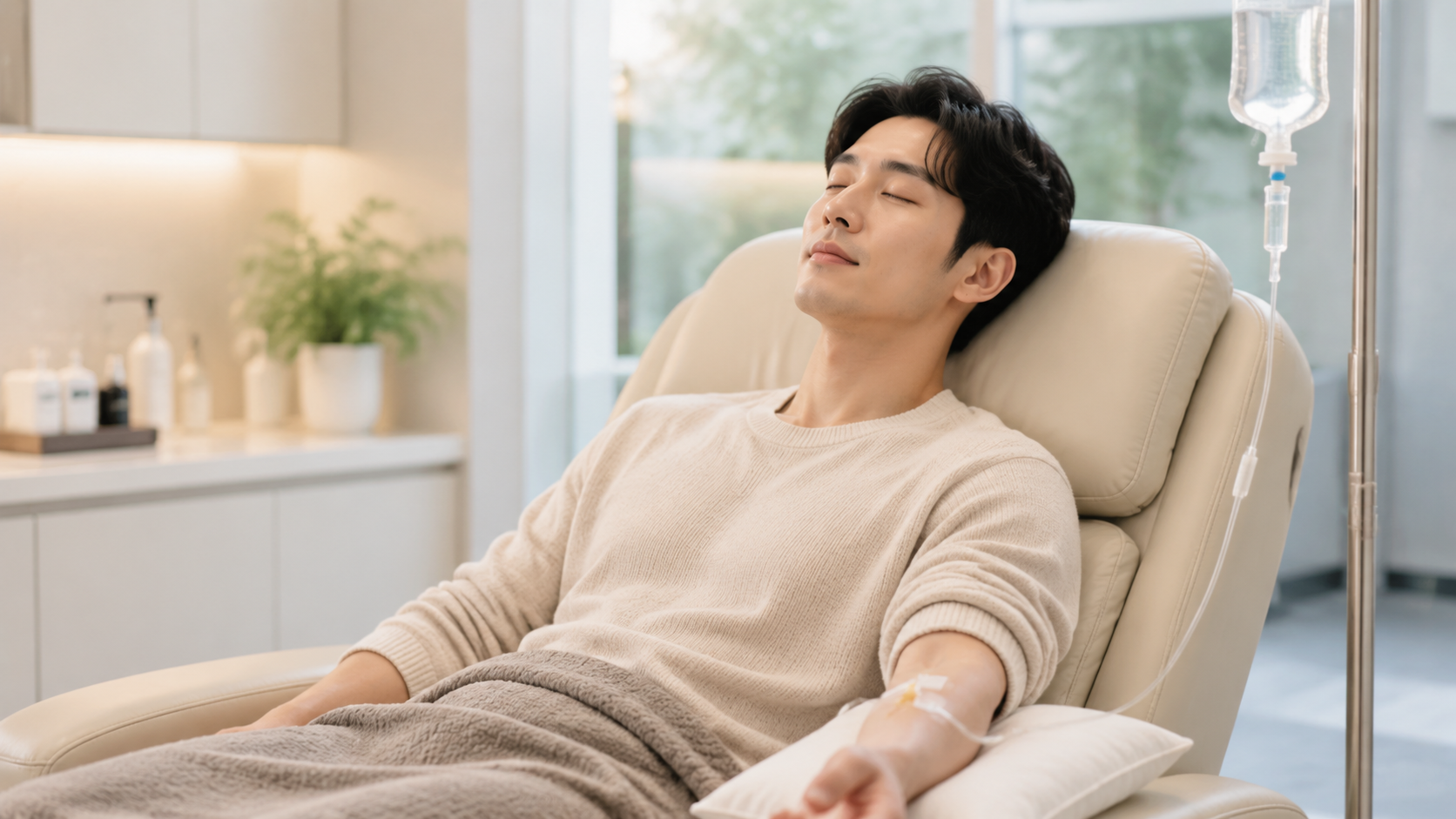
Chronic Fatigue IV Therapy
Chronic Fatigue IV Therapy is an intravenous therapy approach in which fluids and selected vitamins and minerals are administered through a vein, with the exact formulation determined according to an individual assessment of the patient's fatigue-related…
Learn More
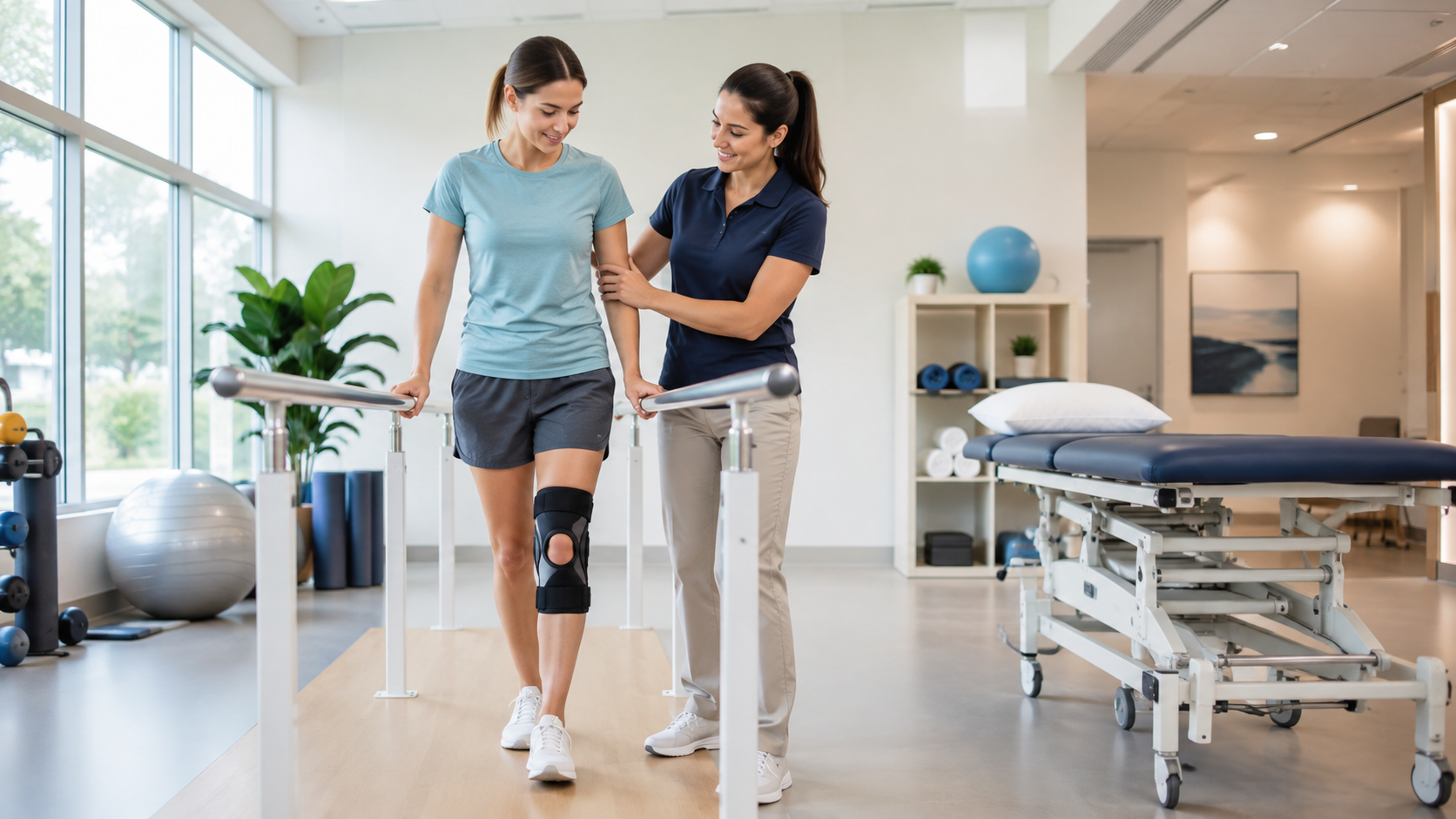
Postoperative Rehabilitation
Postoperative rehabilitation is a structured recovery program designed to restore movement, strength, function, and daily activities after surgery, and it may include physical therapy, exercises, mobility training, and symptom management.
Learn More
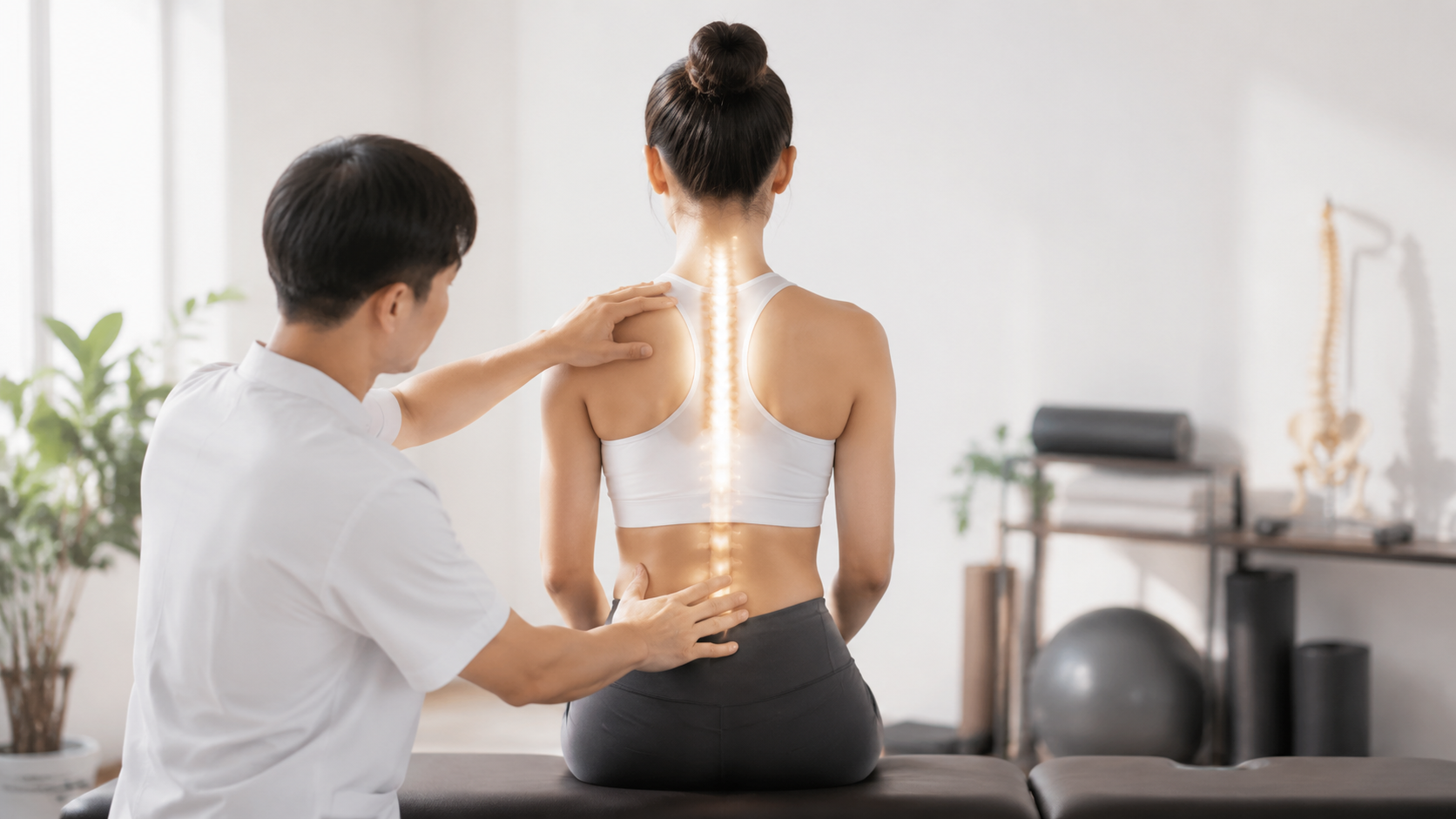
Postural & Body Alignment Correction
Postural & Body Alignment Correction is a non-surgical approach designed to improve posture, body alignment and movement patterns using manual techniques, stretching, strengthening and corrective exercises directed at the specific cause of an imbalance rather…
Learn More