Specialist Rehabilitation & Pain Care in Gangnam, Seoul · Dedicated International Concierge

Neuropsychological Care · Needs Clinic Confirmation
Transcranial Magnetic Stimulation (TMS)
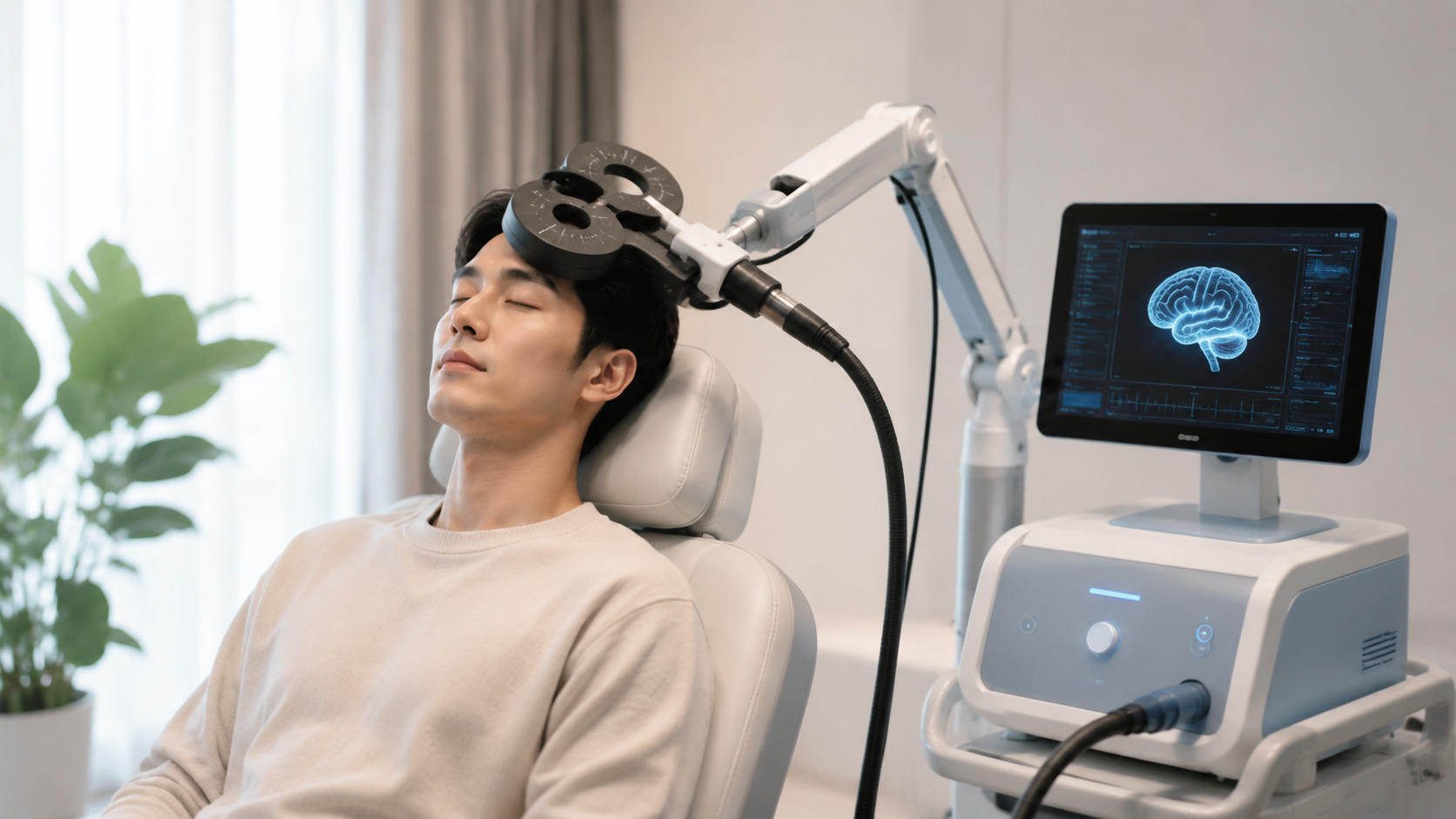
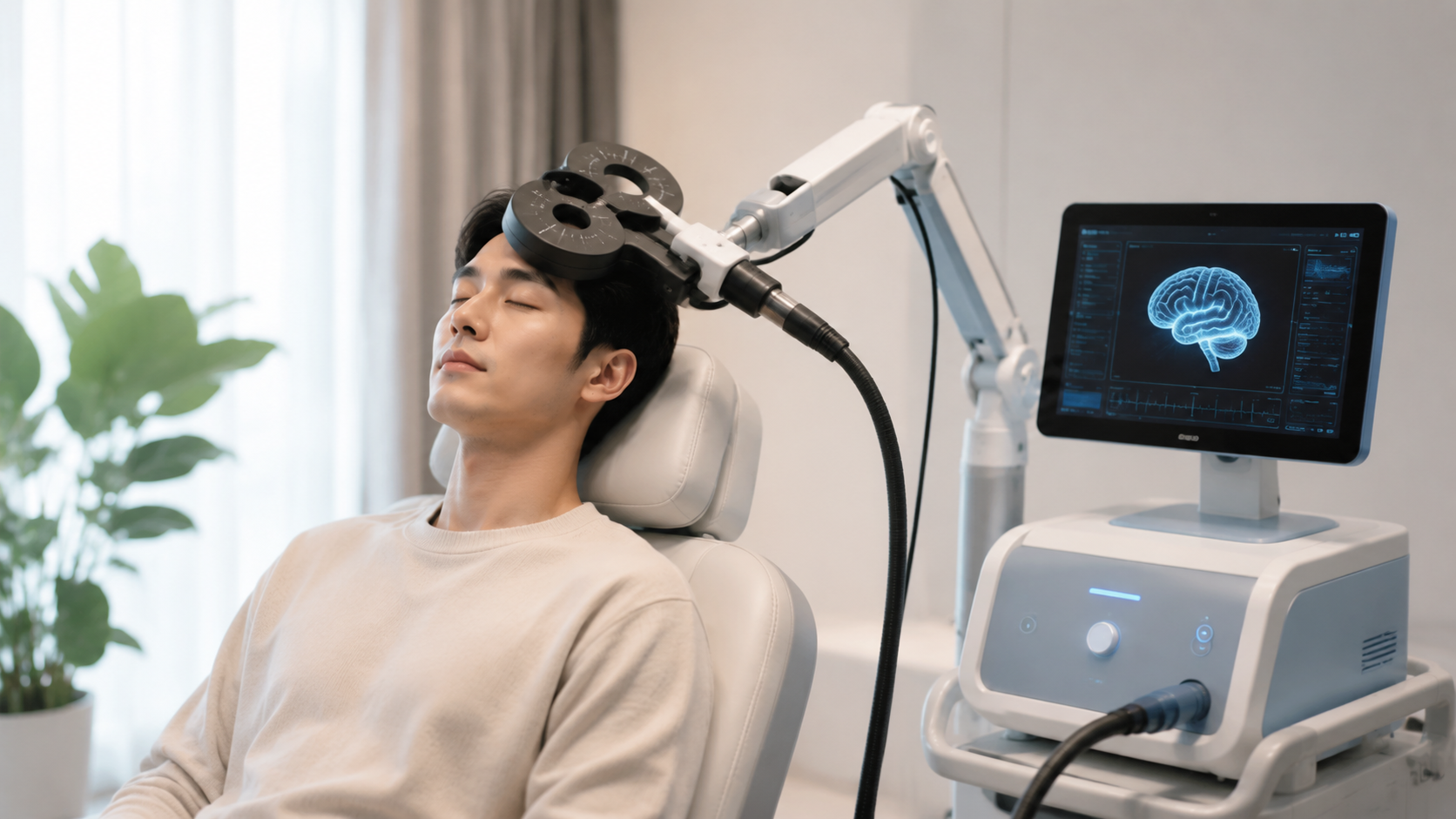
TMS is a non-invasive treatment method that uses magnetic pulses, rather than electricity applied directly to the scalp or surgery, to stimulate specific regions of the brain.
Schedule a ConsultationTranscranial Magnetic Stimulation (TMS)
Medically reviewed by Dr. Kim DaeHwan, Director, Rehabilitation Medicine Specialist, Hallym University College of Medicine
Transcranial Magnetic Stimulation (TMS) is a non-invasive brain-stimulation treatment that uses an electromagnetic coil to deliver repeated magnetic pulses to targeted areas of the brain. It is offered at Well Rehabilitation Clinic in Gangnam, Seoul, as part of the clinic's Neuropsychological Care services, using BrainStim TMS equipment under the oversight of a rehabilitation medicine specialist. This page explains what TMS is, who may be a candidate, what a course of treatment generally involves, and how the clinic approaches safety and evaluation.
Neuropsychological care, the broader category TMS sits within at this clinic, evaluates and addresses cognitive, emotional, behavioural, and functional changes related to brain conditions, and may include assessment, counselling, cognitive rehabilitation, and personalised recommendations depending on each patient's needs. TMS is one specific, non-invasive treatment option within that broader category, distinct from talk-therapy-based counselling or hands-on cognitive rehabilitation exercises, and it is offered at Well Rehabilitation Clinic alongside the clinic's wider rehabilitation medicine services.
What Is Transcranial Magnetic Stimulation (TMS)?
TMS is a non-invasive treatment method that uses magnetic pulses, rather than electricity applied directly to the scalp or surgery, to stimulate specific regions of the brain. It is commonly associated with certain mental health conditions, particularly depression, and is used more broadly within neuropsychological and neurological care to support brain-related function when clinically indicated.
Delivered through an electromagnetic coil positioned over a targeted area of the head — no incision, implant, or anaesthesia is required.
Classified internationally as a non-invasive procedure, distinguishing it from more invasive forms of neuromodulation such as deep brain stimulation.
At Well Rehabilitation Clinic, TMS is provided using BrainStim TMS equipment as part of the clinic's broader Neuropsychological Care category.
Suitability is determined individually — a clinician reviews each patient's symptoms, medical history, and treatment goals before recommending TMS.
The specific stimulation settings, session duration, and treatment frequency used for any individual patient are confirmed during consultation, not standardised in advance.
Mechanistically, the U.S. National Institute of Mental Health (NIMH) describes repetitive TMS as a therapy in which a rapidly changing magnetic field passes through the scalp and skull and generates small electrical pulses inside the brain, without the need for surgery, electrode implantation, or general anaesthesia. TMS has a substantial regulatory history internationally: in the United States, the first TMS device received FDA clearance in 2008 for adults with major depressive disorder who had not responded adequately to prior antidepressant treatment, and TMS systems have since been evaluated for a range of additional neurological and psychiatric applications. This regulatory and research history reflects the TMS field broadly and is not a description of any specific approval or claim made by Well Rehabilitation Clinic itself.
Who Performs TMS at Well Rehabilitation Clinic

Dr. Kim DaeHwan
Rehabilitation Medicine Specialist
TMS at Well Rehabilitation Clinic is overseen by Dr. Kim DaeHwan, the clinic's Director and a specialist in Rehabilitation Medicine. Dr. Kim graduated from Hallym University College of Medicine, completed clinical training at Hallym University Kangdong Sacred Heart Hospital, and completed his Rehabilitation Medicine residency training at Bundang Jesaeng Hospital. His documented clinical focus spans musculoskeletal pain management, spine and joint rehabilitation, postoperative rehabilitation, manual therapy, and regenerative and neuropsychological care approaches, and BrainStim TMS is listed among the subspecialty modalities associated with his practice at the clinic.
Beyond his clinical work, Dr. Kim has held university teaching roles, including as a former Adjunct/Outpatient Professor at Kyung Hee University College of Medicine and as a current Adjunct/Outpatient Professor at Catholic Kwandong University College of Medicine, alongside resident and fellow mentoring, workshops, and lectures. He is a Full Member of the Korean Academy of Rehabilitation Medicine, the Korean Association of Clinical Pain, and the Korean Society of Electromyography and Electrodiagnostic Medicine, and is a TPI (Titleist Performance Institute) Certified Professional. In press-based statements, Dr. Kim emphasises early management of health concerns, individualised treatment based on accurate examination and diagnosis, and specialist-delivered care tailored to each patient's physical condition — principles the clinic applies across its neuropsychological and rehabilitation services, including TMS.
Well Rehabilitation Clinic opened in 2019 in the Gangnam/Samseong area of Seoul and, according to the clinic's own account, has concentrated since then on musculoskeletal pain treatment and postoperative rehabilitation, later expanding into regenerative and preventive care. TMS, delivered through the clinic's BrainStim TMS equipment, sits within that same evaluation-first, specialist-led model of care rather than being offered as a stand-alone, walk-in service.
Who Is a Good Candidate for TMS?
Candidacy for TMS at Well Rehabilitation Clinic is determined on an individual basis, following a clinical evaluation of each patient's history, symptoms, and treatment goals. Based on the clinic's documented profile, good candidates and exclusion factors generally include:
Patients who may benefit from a non-invasive brain-stimulation approach for a specific neurological or neuropsychological concern, after appropriate medical assessment.
Patients whose symptoms, medical history, and clinical goals have been reviewed by a clinician and judged appropriate for TMS as part of an individualised care plan.
Patients interested in non-invasive approaches to neuropsychological or neurological care who do not have contraindicating medical conditions.
TMS may not be suitable for individuals with certain implanted metal or electronic devices located near the head, or other conditions that could increase stimulation-related risk — a detailed medical-device and neurological history is required before treatment can be considered.
A final determination of candidacy is made only after consultation; this page does not replace an individualised clinical evaluation.
Because TMS involves stimulating brain tissue with a magnetic field, a thorough review of any implanted medical devices, metal near the head, and neurological history is a standard part of the pre-treatment evaluation, not an optional step. Patients are asked to disclose this information, along with current medications and prior treatments, before a treatment plan is confirmed.
What to Expect: Procedure, Recovery, and Results Timeline
A course of TMS treatment at Well Rehabilitation Clinic generally follows a consultation-first structure, consistent with how the clinic approaches its other rehabilitation and neuropsychological services.
Stage | What Generally Happens |
|---|---|
Consultation & Assessment | The clinician reviews the patient's symptoms, medical history, current medications, previous treatments, and treatment goals, and discusses whether TMS is an appropriate option. |
Pre-Treatment Preparation | Patients are asked to provide relevant medical history, current symptoms, medications, prior treatments, and any relevant neurological or psychological information to support accurate evaluation and planning. |
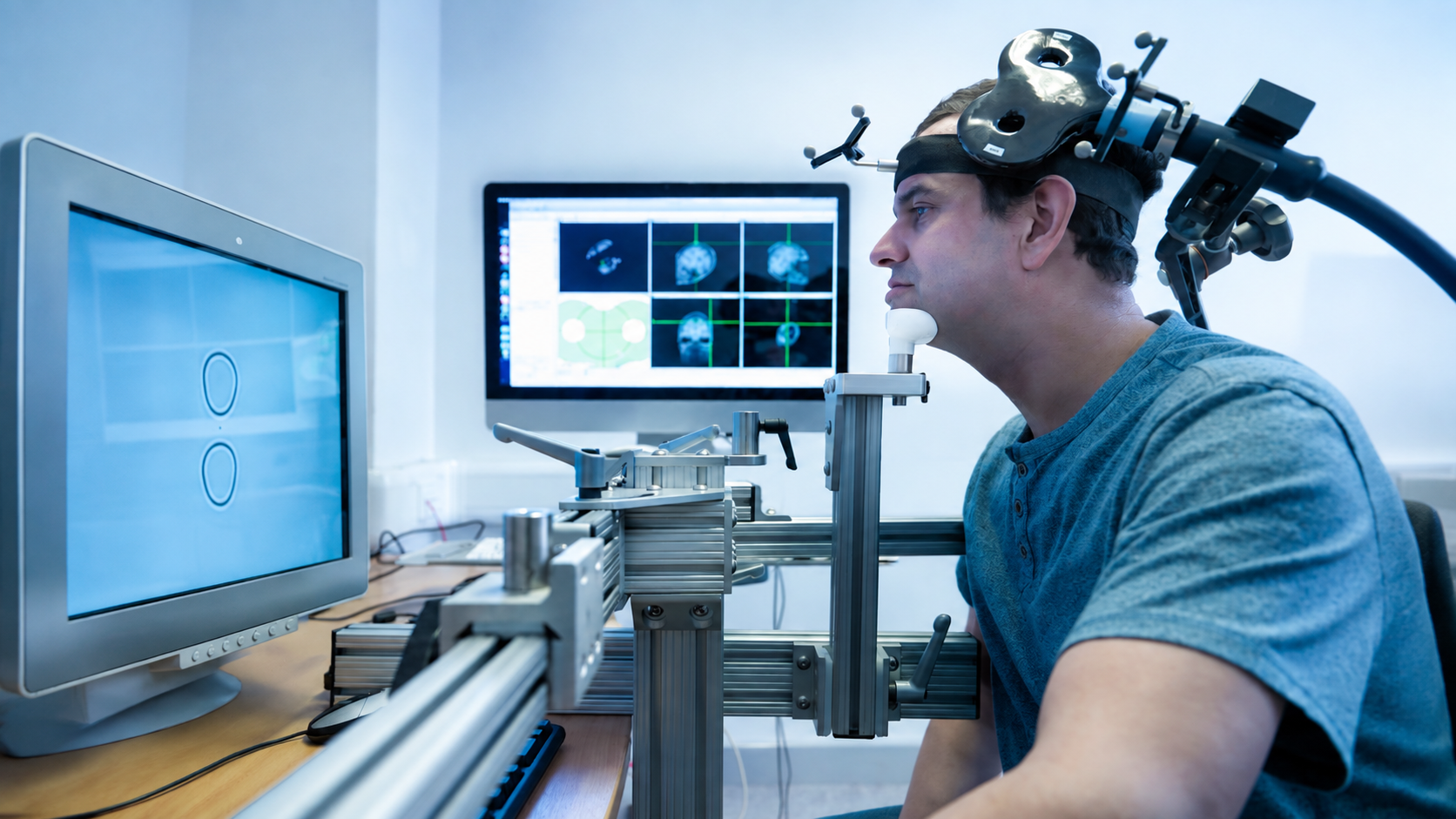
During Treatment | A stimulation device is positioned over a targeted area of the head and delivers magnetic pulses according to an individualised treatment plan. The procedure is non-invasive and does not typically require surgical anaesthesia; specific comfort and monitoring measures are confirmed by the clinic. |
Session Frequency & Duration | The number and frequency of sessions, and the length of each session, depend on the patient's condition and treatment plan and are confirmed after consultation — they are not standardised across all patients. |
After Each Session | Because TMS is non-invasive and does not use surgical anaesthesia, it is not generally associated with the kind of recovery period seen after invasive procedures; specific guidance on activity and monitoring is provided by the clinician. |
Follow-Up & Results | Progress is evaluated through clinical follow-up. The timeline for any change in symptoms varies by condition and individual response, and is assessed against each patient's specific treatment goals. |
Independent of what any individual clinic reports, published clinical information from U.S. institutions offers useful general context for what TMS treatment courses commonly look like. According to the Mayo Clinic, an individual TMS session commonly lasts around 40 minutes, while Cleveland Clinic materials describe individual sessions ranging from roughly 15 to 40 minutes depending on the specific protocol and equipment used, with courses of treatment often delivered five days a week over several weeks. These figures describe general practice patterns reported by external institutions, not a fixed protocol guaranteed at Well Rehabilitation Clinic — the exact session length, frequency, and total number of visits used for any patient here are set individually, based on clinical evaluation, and confirmed during consultation.
Because TMS is a non-invasive, magnetic-pulse based treatment, it is generally not associated with the physical risks tied to surgical or injection-based procedures. Any lengthy assessment or treatment process can, in general, involve temporary fatigue or mental tiredness for some patients, and specific risks, side effects, and precautions relevant to an individual's health status are reviewed with the treating clinician before treatment begins.
Safety, Precision, and Clinic Standards
Well Rehabilitation Clinic is a Registered Medical Institution for Attracting Foreign Patients, certified by South Korea's Ministry of Health and Welfare in compliance with the Medical Overseas Expansion and Foreign Patients Attraction Act, and the clinic operates under Business Registration No. 740-92-01117. Dr. Kim DaeHwan, who oversees the clinic's neuropsychological care services, is a registered Rehabilitation Medicine specialist in South Korea and a Full Member of three national Korean medical societies relevant to his field.
Internationally, repetitive TMS (rTMS) systems are classified by the U.S. Food and Drug Administration as Class II medical devices subject to special controls, meaning the FDA has determined that general controls alone are not sufficient to reasonably assure safety and effectiveness, but that defined special controls can do so. The U.S. National Institute of Mental Health (NIMH) describes TMS as a highly precise, non-invasive brain stimulation tool, delivered through a coil placed against the scalp that generates small electrical pulses in the brain without the need for surgery or implanted electrodes. The Clinical TMS Society, an international professional body focused on TMS practice, research, and education, publishes clinical guidance intended to support the safe, evidence-based administration of TMS by trained practitioners. These are general regulatory and professional standards describing the TMS field as a whole; they are cited here as background context and are not a claim of specific accreditation, certification, or endorsement held by Well Rehabilitation Clinic itself.
Peer-reviewed literature on TMS regulatory history notes that clearance and approval pathways for TMS systems have expanded over time as more indications have been studied and reviewed by regulators in different countries, reflecting a maturing evidence base for the technology rather than a single fixed standard. At Well Rehabilitation Clinic, the stated approach to musculoskeletal, rehabilitation, and neuropsychological care emphasises accurate evaluation and individualised treatment planning tailored to each patient's condition — the same evaluation-first approach the clinic applies before recommending or beginning a course of TMS.
The Bottom Line
TMS is a non-invasive brain-stimulation treatment delivered through magnetic pulses, offered at Well Rehabilitation Clinic using BrainStim TMS equipment as part of its Neuropsychological Care services.
Candidacy, session frequency, session length, and the overall treatment plan are all determined individually, based on a clinical consultation — not standardised across patients.
Dr. Kim DaeHwan, the clinic's Director and a registered Rehabilitation Medicine specialist, oversees the clinic's neuropsychological and rehabilitation services, including TMS.
Patients with certain implanted metal or electronic devices near the head, or specific neurological risk factors, may not be suitable candidates and require a detailed pre-treatment medical review.
As a non-invasive procedure, TMS does not typically require surgical anaesthesia, though specific comfort measures, monitoring, and aftercare are set by the clinic on a case-by-case basis.
Frequently Asked Questions
Am I a good candidate for TMS at Well Rehabilitation Clinic?
Candidacy depends on your individual symptoms, medical history, and treatment goals. Patients with concerns that may benefit from a non-invasive brain-stimulation approach are generally considered after a clinical evaluation, and a clinician will confirm suitability during consultation before any treatment plan is finalised.
Is TMS considered safe for international patients treated at this clinic?
TMS is performed by registered specialists at Well Rehabilitation Clinic, and the clinic is a Registered Medical Institution for Attracting Foreign Patients certified by South Korea's Ministry of Health and Welfare. As with any treatment, a full medical history review — including any implanted metal or electronic devices — is required before TMS can be recommended.
How long should I plan to stay in Seoul for a TMS treatment course?
Stays for Neuropsychological Care services, including TMS, are typically in the range of 7 to 14 days, though the exact length depends on the treatment plan developed for your specific condition. Your total number of required visits will be confirmed after your initial consultation.
What does recovery look like after a TMS session?
Because TMS is non-invasive and does not involve surgery or anaesthesia, recovery is generally described as gradual, with little to no downtime for most patients. Any specific post-session guidance on activity or monitoring will be provided directly by your treating clinician.
Who oversees TMS treatment at Well Rehabilitation Clinic?
TMS is overseen by Dr. Kim DaeHwan, the clinic's Director and a Rehabilitation Medicine specialist trained at Hallym University College of Medicine, with BrainStim TMS listed among the clinical modalities associated with his practice.
Is English-language support available during TMS consultations and treatment?
Yes, English-speaking consultation and support are available at Well Rehabilitation Clinic, which is intended to help international patients discuss symptoms, treatment options, and follow-up care clearly with the clinical team.
What should I do if I have a concern about my treatment after returning home?
Patients are encouraged to contact the clinic promptly through its official phone line or website contact page if a concern arises after returning home, so the clinical team can advise on next steps or coordinate follow-up care.
Will I need anaesthesia, or is there downtime right after a TMS session?
No. TMS is generally performed as a non-invasive treatment and does not typically require surgical anaesthesia. Specific comfort measures and monitoring during and after each session are confirmed directly with the clinic based on your individual treatment plan.
Book a Consultation at Well Rehabilitation Clinic
To find out whether Transcranial Magnetic Stimulation is an appropriate option for your condition, book a consultation with the team at Well Rehabilitation Clinic in Gangnam, Seoul. A clinician will review your medical history, current symptoms, and goals, and confirm a suitable, individualised treatment plan before any TMS session begins. You can request an appointment through the clinic's official contact page, and learn more about the practice on the clinic's About Us page or by reading patient reviews. TMS is one part of the clinic's wider Neuropsychological Care services in Seoul, which a clinician can discuss alongside TMS during your consultation.
Disclaimer
This page is provided for general informational purposes only and does not constitute medical advice, diagnosis, or a guarantee of any specific outcome. Individual results, suitability, and treatment plans vary by patient and can only be determined through a personal consultation with a qualified clinician at Well Rehabilitation Clinic.
Other Services
Explore additional rehabilitation and pain care options.
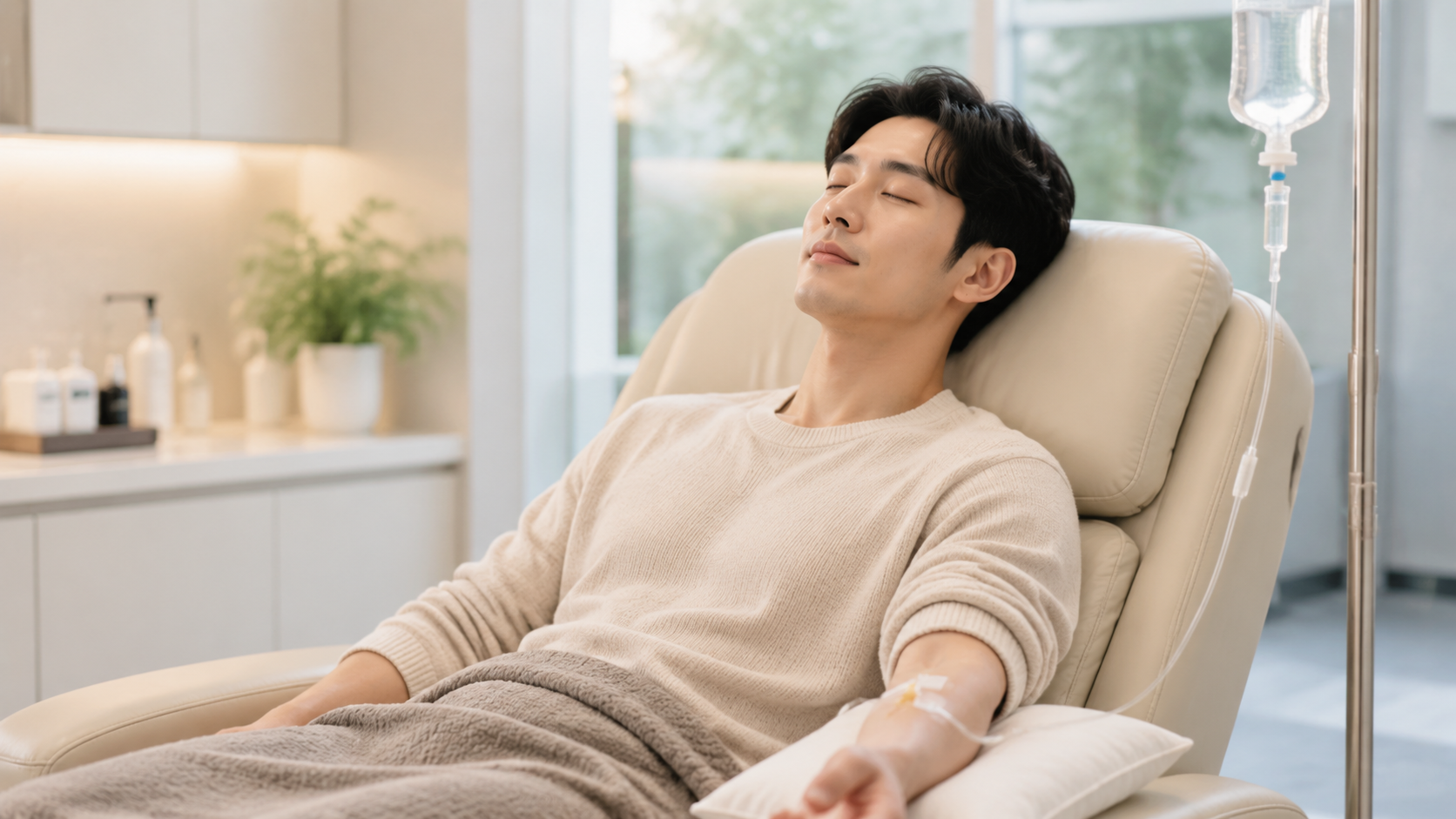
Chronic Fatigue IV Therapy
Chronic Fatigue IV Therapy is an intravenous therapy approach in which fluids and selected vitamins and minerals are administered through a vein, with the exact formulation determined according to an individual assessment of the patient's fatigue-related…
Learn More
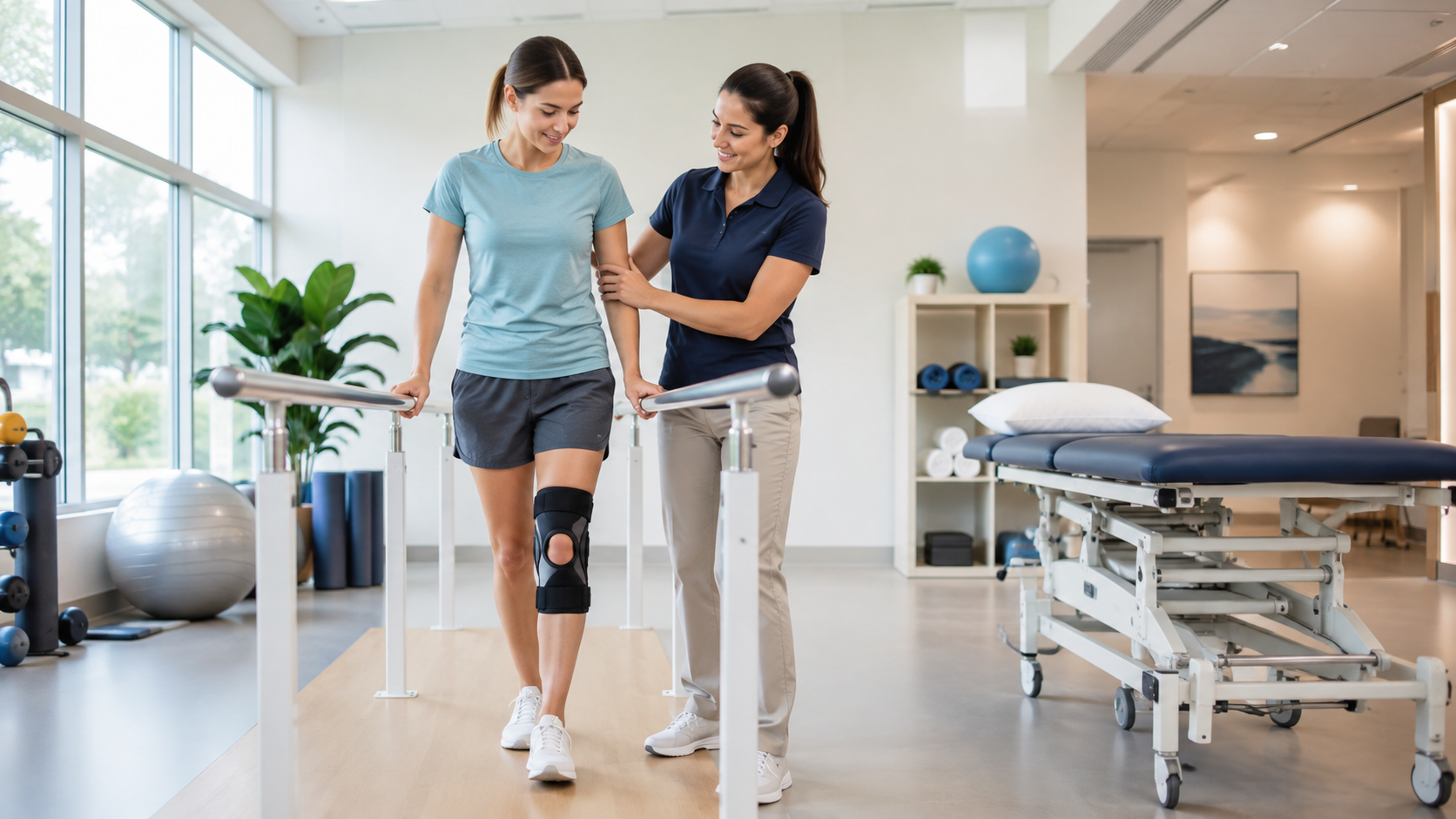
Postoperative Rehabilitation
Postoperative rehabilitation is a structured recovery program designed to restore movement, strength, function, and daily activities after surgery, and it may include physical therapy, exercises, mobility training, and symptom management.
Learn More
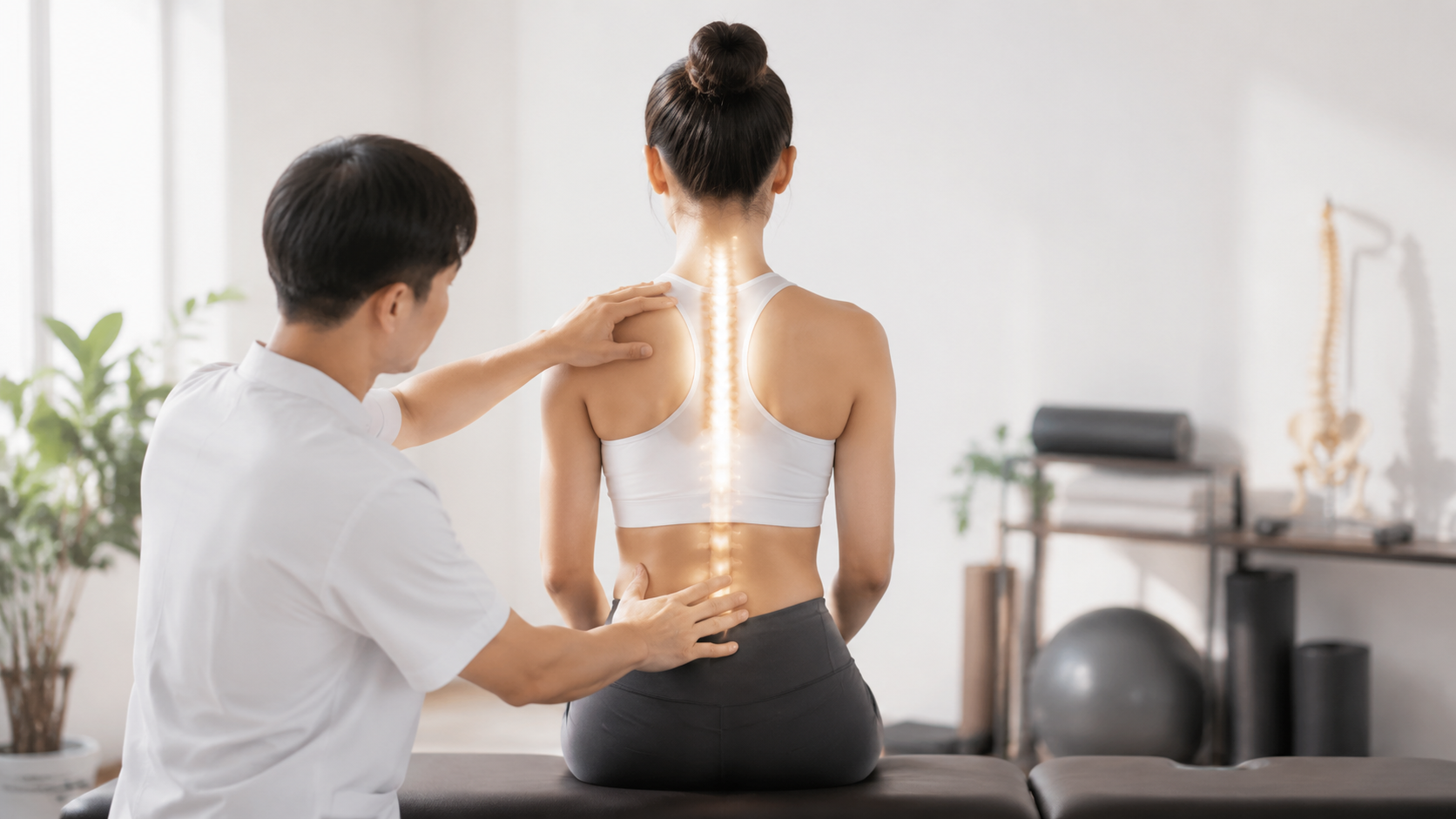
Postural & Body Alignment Correction
Postural & Body Alignment Correction is a non-surgical approach designed to improve posture, body alignment and movement patterns using manual techniques, stretching, strengthening and corrective exercises directed at the specific cause of an imbalance rather…
Learn More