Specialist Rehabilitation & Pain Care in Gangnam, Seoul · Dedicated International Concierge

Regenerative Medicine & Anti-Aging Care · Needs Clinic Confirmation
PRP (Platelet-Rich Plasma) Therapy
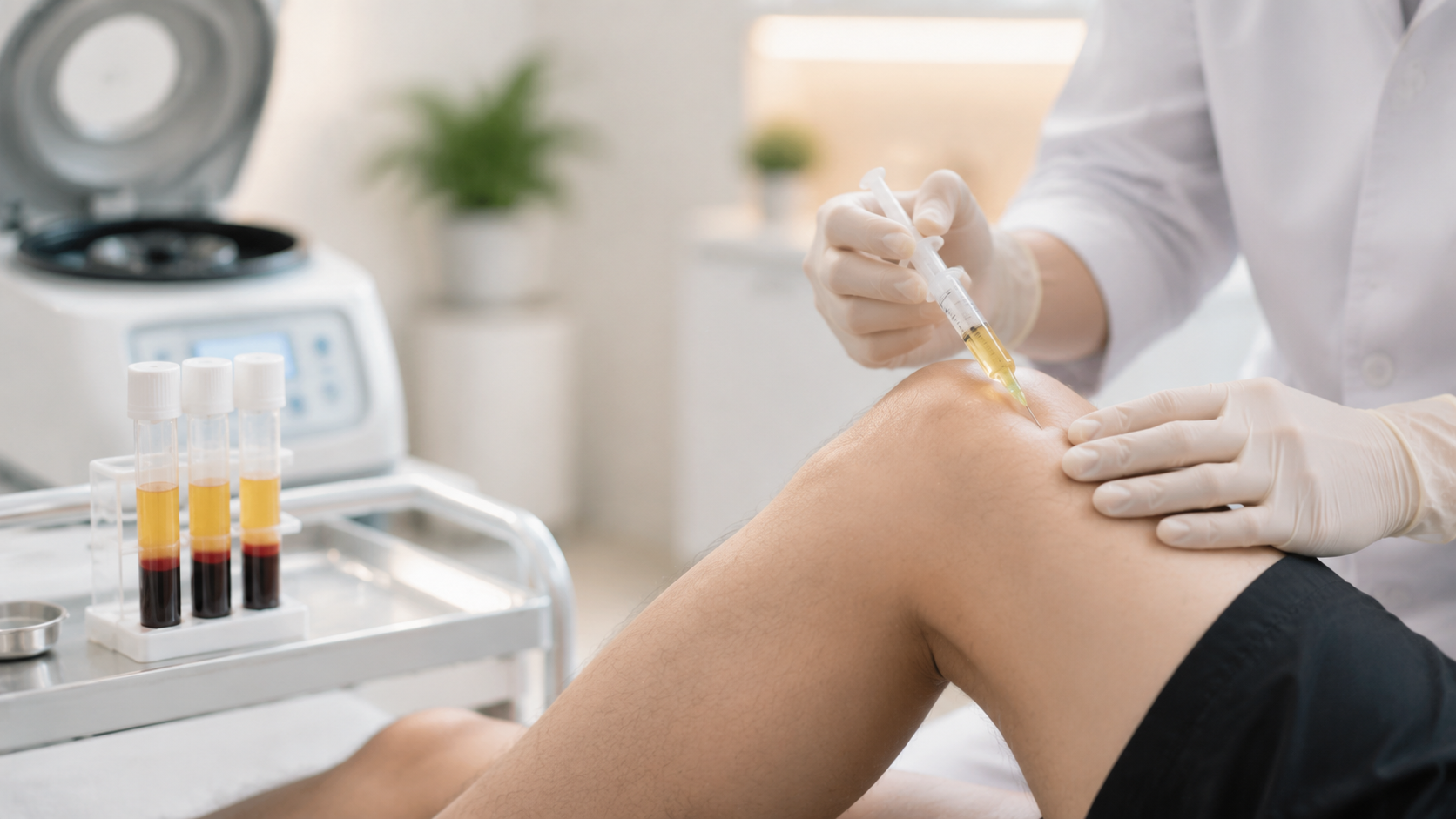
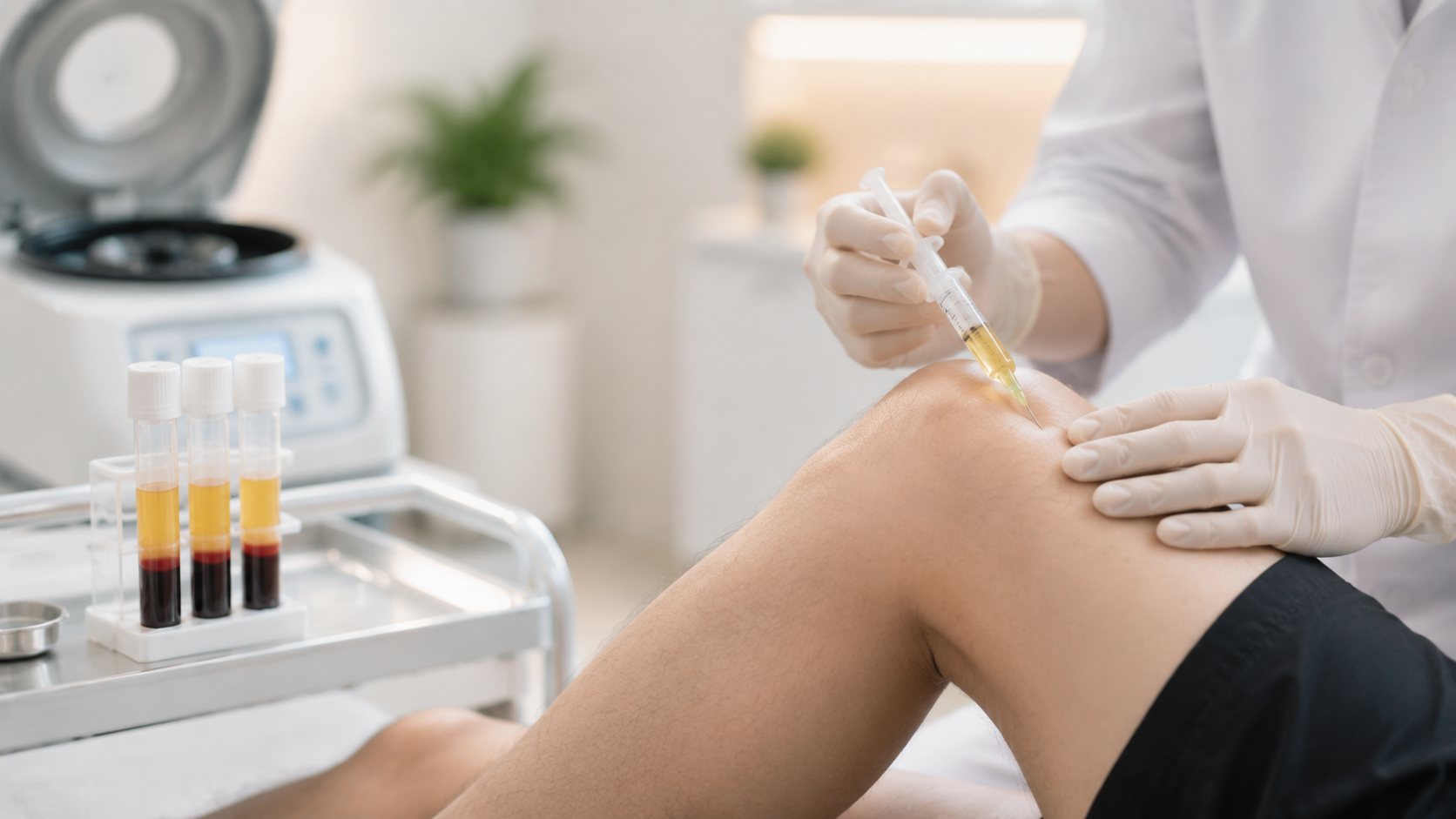
PRP (Platelet-Rich Plasma) Therapy is a treatment that concentrates platelets from a patient’s own blood into an injectable preparation, which is then applied to a joint, tendon or soft-tissue area as part of musculoskeletal care.
Schedule a ConsultationPRP (Platelet-Rich Plasma) Therapy
Medically reviewed by Dr. Kim DaeHwan, Director, Rehabilitation Medicine Specialist, Hallym University College of Medicine
PRP (Platelet-Rich Plasma) Therapy is a regenerative treatment that uses a concentrated preparation of the patient's own platelets, applied to a targeted joint or soft-tissue area to support the body's own healing process. At Well Rehabilitation Clinic in Gangnam, Seoul, PRP Therapy is offered as part of musculoskeletal care, with treatment areas including the shoulder, elbow, wrist, ankle, foot, and knee joint. It sits within the clinic's broader Regenerative Medicine & Anti-Aging Care category, and every case is evaluated individually by Dr. Kim DaeHwan before any treatment plan is confirmed.
What Is PRP (Platelet-Rich Plasma) Therapy?
PRP (Platelet-Rich Plasma) Therapy is a treatment that concentrates platelets from a patient's own blood into an injectable preparation, which is then applied to a joint, tendon, or soft-tissue area as part of musculoskeletal care.
PRP is prepared by drawing a small sample of the patient's own blood and processing it to concentrate the platelets it contains into an injectable solution.
At Well Rehabilitation Clinic, PRP Therapy is used across a defined set of treatment areas: the shoulder, elbow, wrist, ankle, foot, and knee joint.
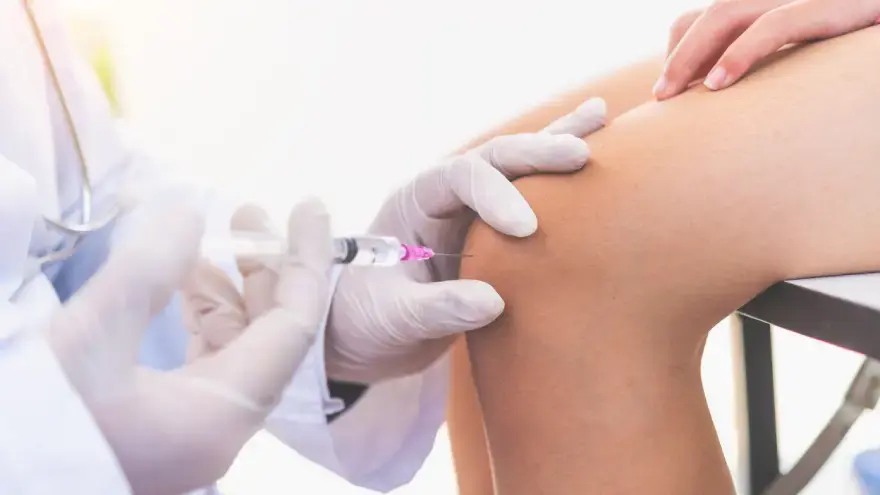
The prepared platelet-rich preparation is applied to the targeted treatment area, generally by injection; the exact anesthesia or pain-control approach depends on the treatment area and injection protocol and is confirmed with the clinician beforehand.
Because PRP is derived from the patient's own blood, no donor tissue, synthetic filler, or foreign biological material is introduced into the treatment area.
PRP Therapy is a biologically distinct treatment from Miracell Stem Cell IV Therapy, the clinic's other named offering under the Regenerative Medicine & Anti-Aging Care category — PRP is a blood-derived, locally injected preparation, while the Miracell program is an intravenously delivered, cell-based therapy with a different intended focus.
For general orientation on how platelet-based treatment is understood outside this clinic, Cleveland Clinic's patient-education material describes PRP as working by concentrating platelets — which carry growth factors with healing properties — from a blood sample, then delivering that concentrate into the treatment area, where it may trigger a short-term inflammatory response that helps start tissue healing and supports collagen production. Cleveland Clinic also notes that PRP research is still at a relatively early stage, that results vary between patients, and that there is no single standardized preparation process used across providers. This is useful background on the treatment category as a whole; it is not a specific claim about outcomes at Well Rehabilitation Clinic, where the treatment plan and expected course are set individually at consultation.
Who Performs PRP Therapy at Well Rehabilitation Clinic
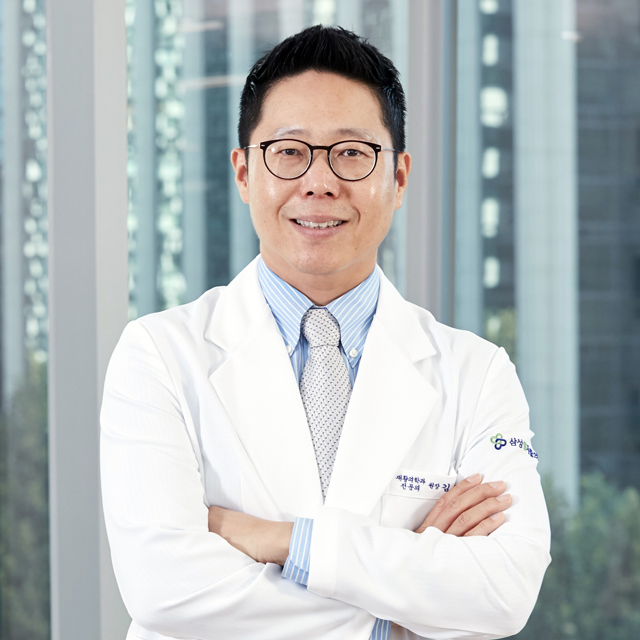
Dr. Kim DaeHwan
Rehabilitation Medicine Specialist
Dr. Kim DaeHwan is Director of Well Rehabilitation Clinic and a specialist in Rehabilitation Medicine. He graduated from Hallym University College of Medicine, completed clinical training at Hallym University Kangdong Sacred Heart Hospital, and completed his Rehabilitation Medicine residency training at Bundang Jesaeng Hospital. PRP and other regenerative treatment is listed among his documented core clinical focus areas, alongside musculoskeletal pain management, spine and joint rehabilitation, postoperative rehabilitation, and manual therapy — the surrounding disciplines that inform how he selects and plans a PRP case rather than treating it as an isolated procedure.
Manual Therapy and PRP are listed together among the clinic modalities associated with Dr. Kim's practice, reflecting how PRP Therapy at this clinic is positioned alongside hands-on musculoskeletal assessment rather than delivered as a stand-alone injection service. Dr. Kim holds full membership in the Korean Academy of Rehabilitation Medicine, the Korean Association of Clinical Pain, and the Korean Society of Electromyography and Electrodiagnostic Medicine, and is a TPI (Titleist Performance Institute) Certified Professional — a certification relevant to assessing movement-related and sports-adjacent musculoskeletal complaints, a common reason patients consider PRP for a joint or tendon concern. He has also held university teaching roles, previously as an Adjunct/Outpatient Professor at Kyung Hee University College of Medicine and currently at Catholic Kwandong University College of Medicine. You can read more about his background on the clinic's About Us page.
Well Rehabilitation Clinic's press-based philosophy statements emphasize accurate evaluation and individualized treatment planning according to each patient's physical condition — an approach the clinic states it applies across its musculoskeletal care, including PRP Therapy. The clinic's Foundation material describes its clinical approach as beginning with careful examination and diagnosis before any musculoskeletal treatment, followed by a plan built around the individual patient rather than a fixed protocol applied the same way to everyone.
Who Is a Good Candidate for PRP Therapy?
Patients with musculoskeletal conditions involving a joint, tendon, or soft tissue in one of the clinic's treatment areas — the shoulder, elbow, wrist, ankle, foot, or knee.
Patients seeking a regenerative approach for a persistent musculoskeletal symptom, evaluated and confirmed through a clinical consultation.
Patients who may prefer a treatment option built from their own biological material as part of a personalized care plan, rather than a synthetic or donor-derived product.
Patients willing to share a full history of the affected area during consultation, including current symptoms, medical history, and any previous treatments already tried for the same concern.
Patients confirmed as medically suitable by Dr. Kim DaeHwan after evaluation of their diagnosis, symptoms, and overall health.
\nWell Rehabilitation Clinic states that PRP Therapy may not be suitable for patients who require additional evaluation or a different care pathway, including those whose medical history or current condition makes PRP inappropriate as a first option. Suitability is never assumed from this page — it is determined individually, based on a review of medical history and current condition, during consultation with Dr. Kim DaeHwan.
What to Expect: Procedure, Recovery, and Results Timeline
Stage | What generally happens |
Consultation & diagnosis | Review of symptoms, medical history, the affected area, previous treatments already tried, and treatment goals with Dr. Kim DaeHwan |
Suitability decision | The clinician evaluates the condition and confirms whether PRP Therapy, an alternative treatment, or a different care pathway is appropriate |
Preparation | A blood sample is drawn from the patient and processed into a platelet-rich preparation |
Injection | The prepared solution is applied to the targeted treatment area; pain-control approach depends on the treatment area and injection protocol, confirmed at consultation |
Aftercare | Following the clinic's activity guidance and attending follow-up evaluations when recommended |
Recovery | Varies by treatment area, underlying condition, and individual response |
Results timeline | Varies depending on the patient's condition and treatment response |
Pre-procedure preparation generally involves sharing an accurate medical history, current medications, symptoms, previous treatments, and the specific treatment area with Dr. Kim DaeHwan during consultation, so the treatment plan can be built around the individual patient rather than a generic protocol. The clinic's published Foundation material does not specify a single fixed number of PRP sessions or a universal recovery timeline that applies to every patient — duration and visit frequency depend on the patient's condition and treatment goals and are confirmed individually once a plan has been selected.
As general external context — not a specific claim about outcomes at this clinic — a 2021 systematic review and meta-analysis published in PLOS ONE, which pooled eight randomized controlled trials of PRP injection for rotator cuff tendinopathy, found that PRP was a safe intervention associated with long-term (beyond roughly six months) improvement in pain and shoulder function, while short- and medium-term differences from control treatments were less consistent across the pooled studies. Separately, the American Academy of Orthopaedic Surgeons' technology overview of PRP for knee osteoarthritis — based on a review of 54 published studies — stopped short of a for-or-against recommendation and called for further standardized trials, and the American Academy of Physical Medicine and Rehabilitation, the U.S. professional body for Dr. Kim's own specialty, has issued its own clinical guidance addressing PRP for knee osteoarthritis. Patients evaluating PRP Therapy anywhere, including at Well Rehabilitation Clinic, should treat this kind of published evidence as general orientation on how the treatment category is currently studied, not a guarantee of any specific result for their own condition — that is confirmed individually with the treating physician.
Combining PRP Therapy with Other Treatments
PRP Therapy may be combined with other rehabilitation or musculoskeletal treatments — such as Manual Therapy for Spine & Joints or the clinic's broader Musculoskeletal Pain Management care, which includes Extracorporeal Shock Wave Therapy (ESWT) — when clinically appropriate for the patient's condition.
Any combination, and its timing relative to a PRP injection, is determined according to the patient's diagnosis and treatment objectives rather than applied as a fixed package to every patient.
Patients interested in a broader regenerative or anti-aging approach can also ask about Miracell Stem Cell IV Therapy, a related but biologically distinct offering under the clinic's Regenerative Medicine & Anti-Aging Care category, delivered by intravenous infusion rather than local injection.
Combination decisions are made together with Dr. Kim DaeHwan at consultation, based on the specific joint, tendon, or soft-tissue concern being treated.
Safety, Precision, and Clinic Standards
Well Rehabilitation Clinic is a Registered Medical Institution for Attracting Foreign Patients, certified by Korea's Ministry of Health and Welfare under the Act on Support for Overseas Expansion of Medical Services and Attraction of International Patients. The clinic's Business Registration number is 740-92-01117. Dr. Kim DaeHwan holds full membership in the Korean Academy of Rehabilitation Medicine, the Korean Association of Clinical Pain, and the Korean Society of Electromyography and Electrodiagnostic Medicine. The clinic states that quality and safety in musculoskeletal treatment, including PRP Therapy, are supported through careful examination and diagnosis before treatment, followed by an individualized plan based on the patient's physical condition.
Independent of any single clinic, PRP prepared from a patient's own blood is generally treated in the United States as a same-day, minimally manipulated autologous preparation used for a homologous purpose — a regulatory category the U.S. Food and Drug Administration has addressed directly in its guidance on minimal manipulation and homologous use for human cell- and tissue-based products, distinct from the FDA's broader public warnings about unapproved stem cell and exosome products. Care described on this page is delivered under Korean medical regulation and Ministry of Health and Welfare oversight for institutions registered to treat international patients, not under US FDA oversight, so US regulatory categories are useful background rather than a description of how PRP Therapy is regulated at this clinic.
Well Rehabilitation Clinic's own content standards for this market state that claims such as guaranteed results, 100% effectiveness, zero risk, or permanent results should be avoided, and that procedure benefits should not be presented as appropriate for every patient — a standard this page follows throughout. The clinic's published Foundation material does not state a specific complication rate for PRP Therapy; general risks, how they are managed, and how they apply to a given patient's treatment area are discussed individually at consultation with Dr. Kim DaeHwan.
The Bottom Line
PRP Therapy at Well Rehabilitation Clinic uses a concentrated preparation of the patient's own platelets, applied to the shoulder, elbow, wrist, ankle, foot, or knee.
Dr. Kim DaeHwan, a Rehabilitation Medicine specialist whose documented clinical focus includes PRP and regenerative treatment, evaluates and plans every case individually before treatment.
Published evidence reviewed by bodies such as the American Academy of Orthopaedic Surgeons and the American Academy of Physical Medicine and Rehabilitation, and a pooled analysis of shoulder studies in PLOS ONE, describes PRP as an actively studied treatment with variable, condition-dependent results — not a uniformly guaranteed outcome.
No guaranteed, 100%-effective, or permanent result should be expected from PRP Therapy; suitability and expected outcomes are confirmed only through a personal consultation.
PRP Therapy can be combined with other musculoskeletal care at the clinic, such as manual therapy or ESWT, when clinically appropriate for the individual patient.
Frequently Asked Questions
Am I a good candidate for PRP Therapy at Well Rehabilitation Clinic?
Candidacy depends on your specific joint, tendon, or soft-tissue concern and your overall health. Patients with conditions affecting the shoulder, elbow, wrist, ankle, foot, or knee are generally the ones evaluated for PRP, but suitability is confirmed only after Dr. Kim DaeHwan reviews your diagnosis, symptoms, and medical history at consultation.
Which parts of the body can be treated with PRP at this clinic?
Well Rehabilitation Clinic offers PRP Therapy for the shoulder, elbow, wrist, ankle, foot, and knee joint as part of its musculoskeletal care. Whether PRP is the right approach for your specific area and condition is determined individually.
How is the PRP injection actually prepared?
A small sample of your own blood is drawn and processed to concentrate the platelets it contains into an injectable preparation, which is then applied to the treatment area. No donor tissue or synthetic material is used.
Does PRP Therapy actually work, based on the published evidence?
Published evidence is mixed and still developing. A 2021 pooled analysis of shoulder studies in PLOS ONE found PRP associated with longer-term pain and function improvement, while the American Academy of Orthopaedic Surgeons' knee osteoarthritis review stopped short of a for-or-against recommendation and called for further research. No guaranteed or uniform result should be expected; your own likely outcome is discussed individually at consultation.
Is PRP Therapy at Well Rehabilitation Clinic safe for international patients?
PRP Therapy is performed under the personal evaluation of Dr. Kim DaeHwan, a licensed Rehabilitation Medicine specialist, at a clinic registered with Korea's Ministry of Health and Welfare to treat foreign patients. As with any regenerative treatment, expected benefits and risks specific to your condition are discussed directly at consultation rather than presented as guaranteed.
Does Well Rehabilitation Clinic offer English-speaking support for PRP consultations?
Yes. The clinic states that English-speaking consultation and support are available for international patients considering PRP Therapy.
What should I do if I have a concern after I return home from PRP treatment?
The clinic advises contacting it promptly by phone, email, or WhatsApp if a concern arises after you return home. Contact details are published on the clinic's contact page.
Book a Consultation at Well Rehabilitation Clinic
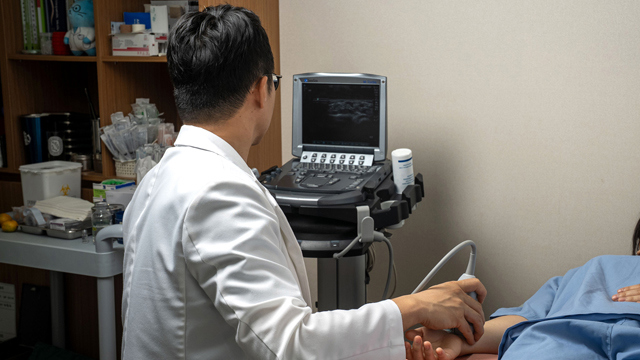
To find out whether PRP Therapy is an appropriate option for your shoulder, elbow, wrist, ankle, foot, or knee concern, book a consultation with Dr. Kim DaeHwan at Well Rehabilitation Clinic in Gangnam, Seoul. You can also read more about the clinic or view patient reviews and before-and-after materials beforehand.
Disclaimer
This page is for general informational purposes and does not constitute individualized medical advice. Candidacy, technique, and expected outcomes can only be determined through a consultation with a qualified physician. Care described here is delivered under Korean medical regulation, not under US FDA oversight.
Other Services
Explore additional rehabilitation and pain care options.

Chronic Fatigue IV Therapy
Chronic Fatigue IV Therapy is an intravenous therapy approach in which fluids and selected vitamins and minerals are administered through a vein, with the exact formulation determined according to an individual assessment of the patient's fatigue-related…
Learn More
Postoperative Rehabilitation
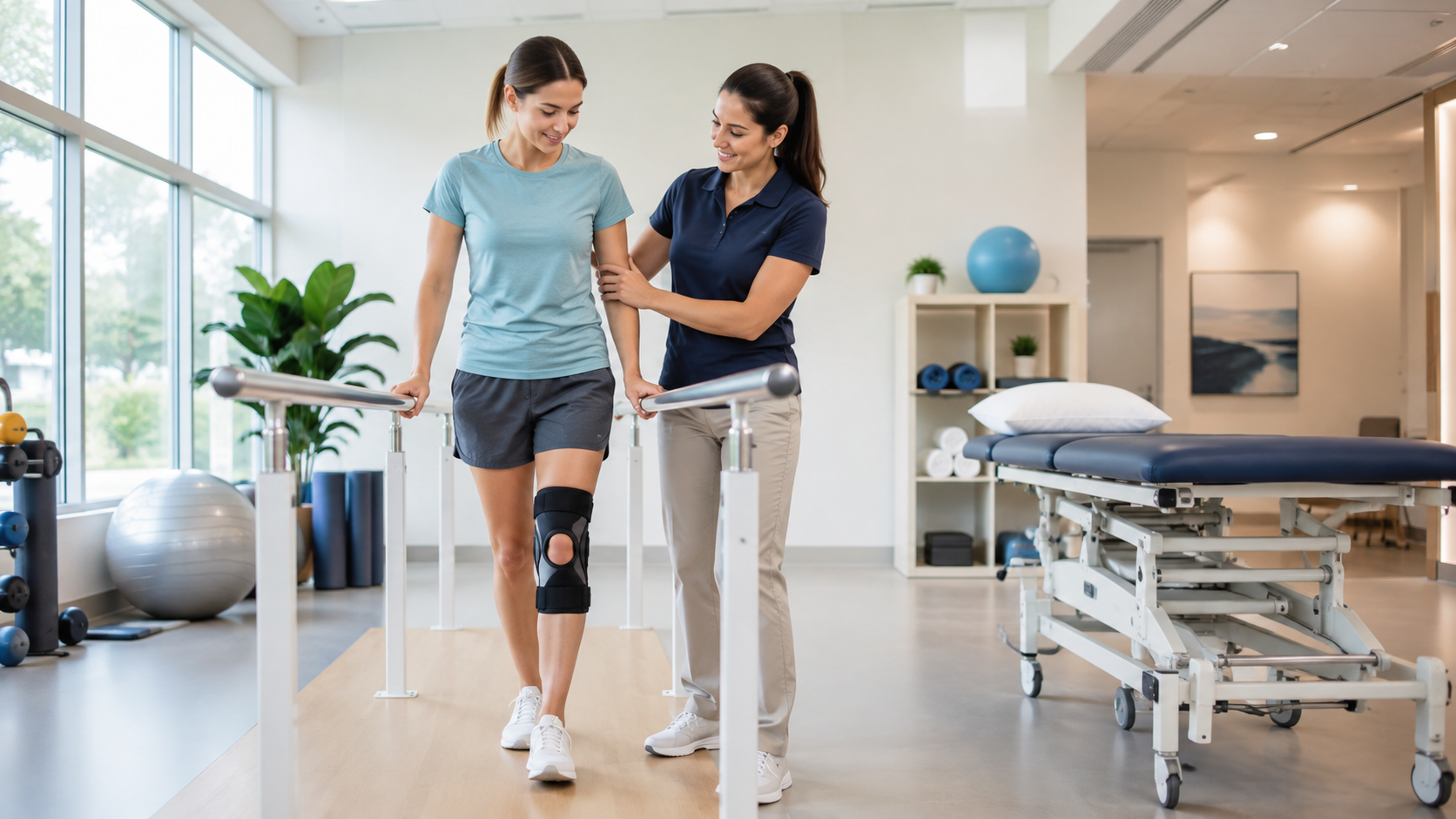
Postoperative rehabilitation is a structured recovery program designed to restore movement, strength, function, and daily activities after surgery, and it may include physical therapy, exercises, mobility training, and symptom management.
Learn More
Postural & Body Alignment Correction
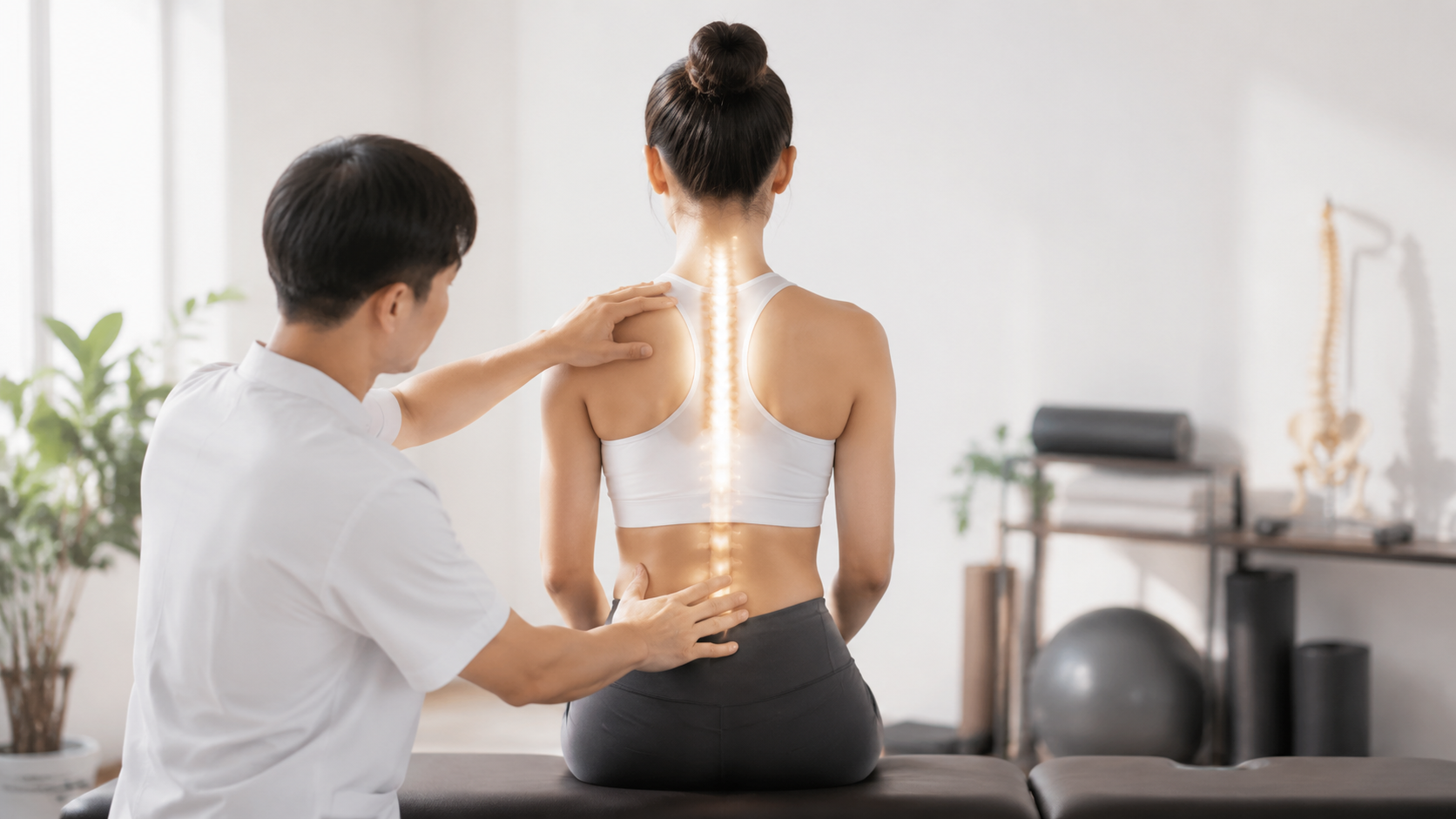
Postural & Body Alignment Correction is a non-surgical approach designed to improve posture, body alignment and movement patterns using manual techniques, stretching, strengthening and corrective exercises directed at the specific cause of an imbalance rather…
Learn More